filmbriefs
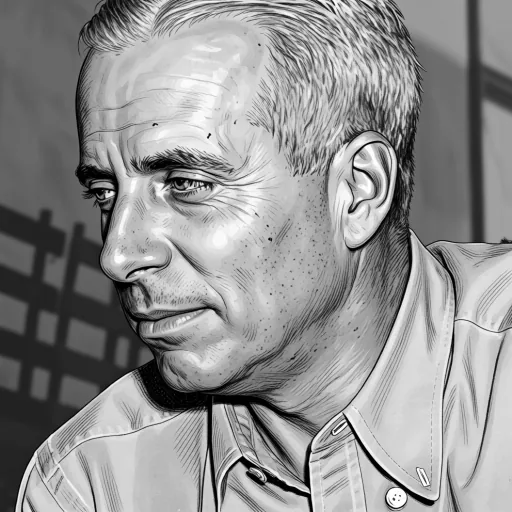
Director · Producer · Screenwriter · 1896–1977

Howard Hawks

7
briefs
13:00
average
91 min
in total
On film.briefs7
13:00

Bringing Up Baby

Howard Hawks · 1938

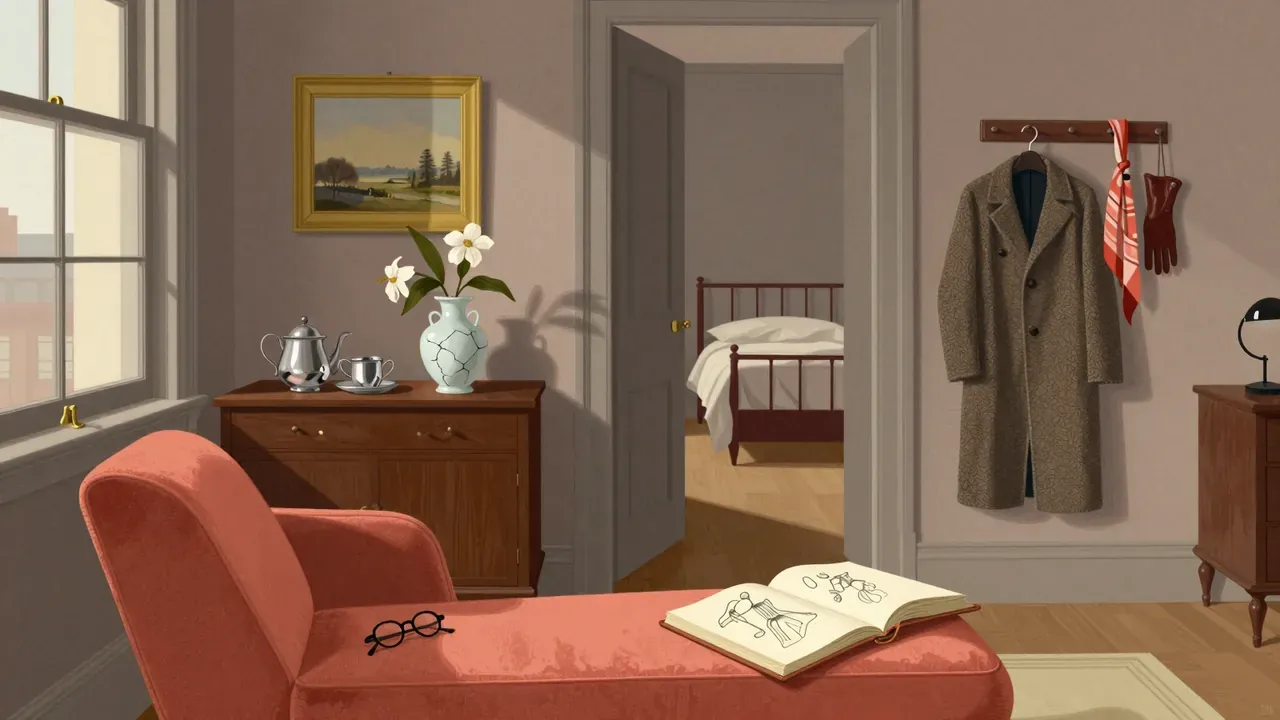
Bringing Up Baby (1938), directed by Howard Hawks, pairs Katharine Hepburn and Cary Grant in a relentless romantic comedy about a paleontologist undone by a scatterbrained heiress and her leopard. Written by Dudley Nichols and Hagar Wilde, it trades emotional exposition for escalating absurdity, using precise performance, tight editing and rhythmic dialogue to sustain a world where logic collapses on cue. Though commercially modest on release, it is now regarded as a pinnacle of screwball form.
13:00

His Girl Friday

Howard Hawks · 1940

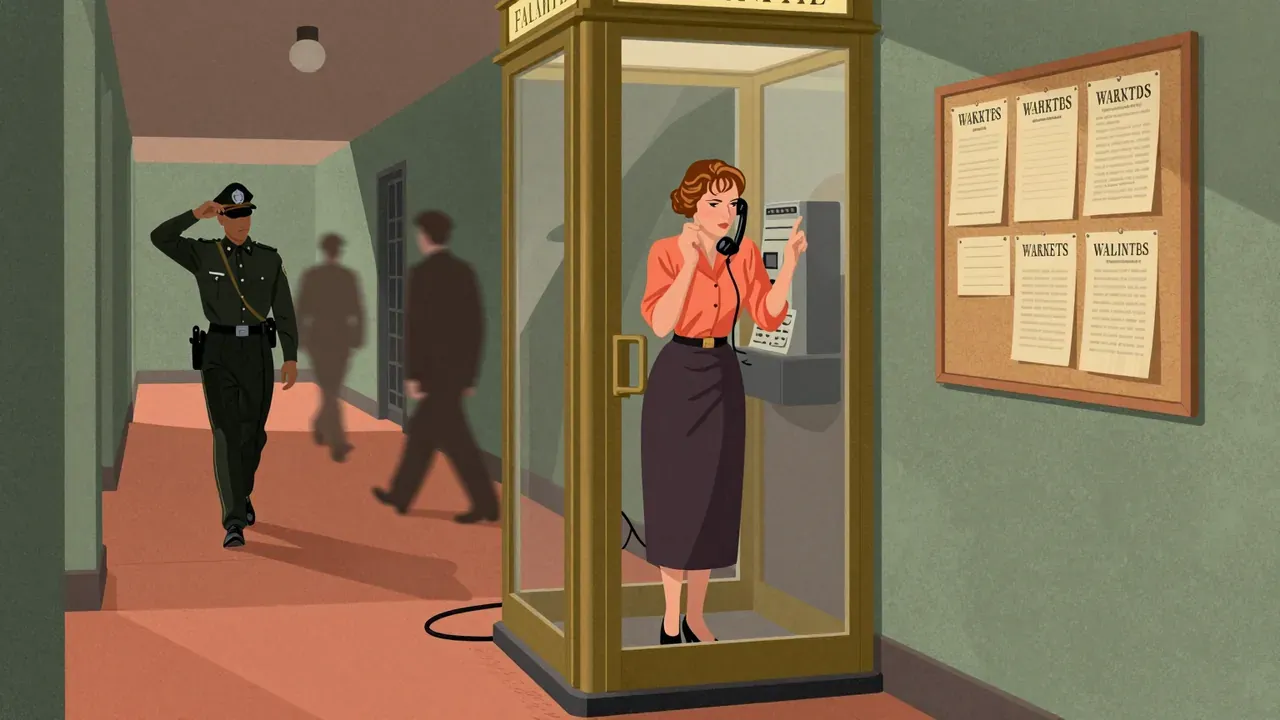
Howard Hawks’s 1940 comedy His Girl Friday recasts The Front Page as a battle of wits between ex-spouses Walter Burns and Hildy Johnson, a newspaper editor and reporter whose professional rivalry reignites as a romantic one. Shot at breakneck speed with overlapping dialogue, it privileges competence over sentiment and friction over harmony. Though formally dazzling and historically influential, it sidesteps the racial and ethical weight of its source material, treating injustice as backdrop rather than subject.

13:00

Only Angels Have Wings

Howard Hawks · 1939

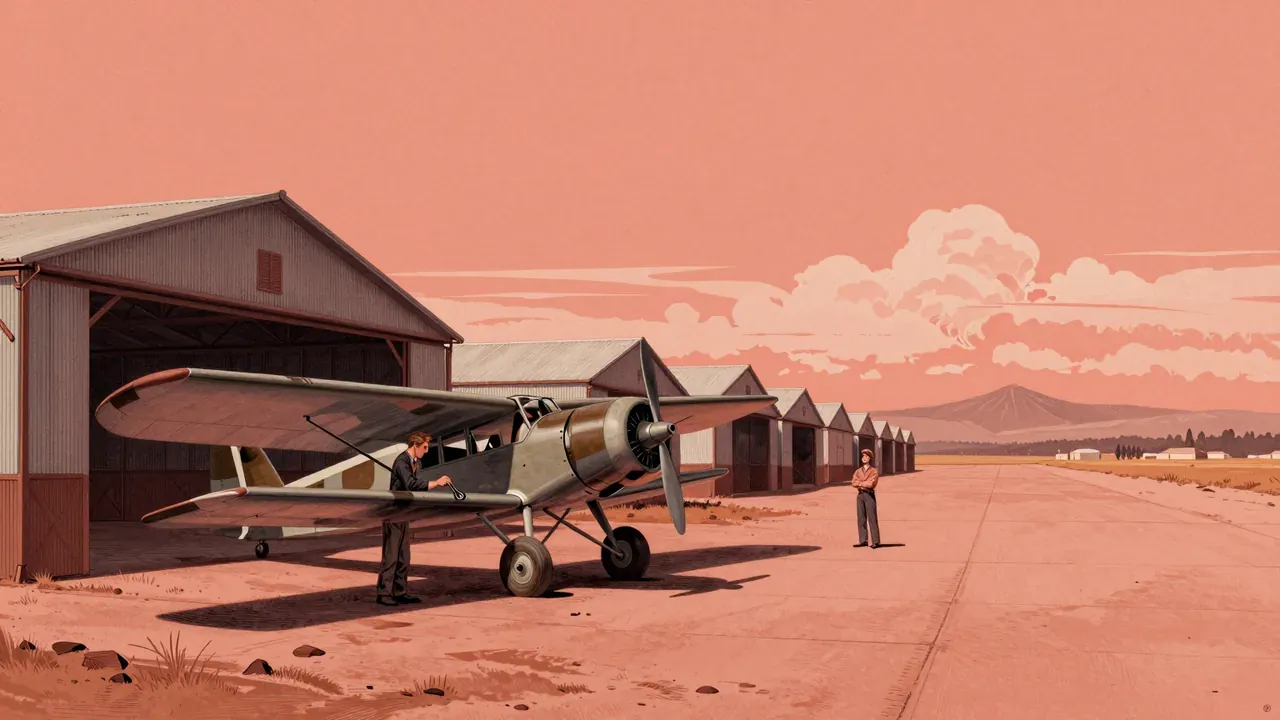
Howard Hawks’ 1939 drama follows Geoff Carter, manager of a perilous South American air freight operation, as he balances a government contract deadline against the lives of his pilots. Starring Cary Grant and Jean Arthur, it builds its world through procedural clarity, not psychology — valuing competence over confession, restraint over revelation. Joseph Walker’s cinematography, Dimitri Tiomkin’s score and Viola Lawrence’s editing sustain a single, unwavering tone: fatalism as honour, risk as routine.

13:00

Red River

Howard Hawks, Arthur Rosson · 1948

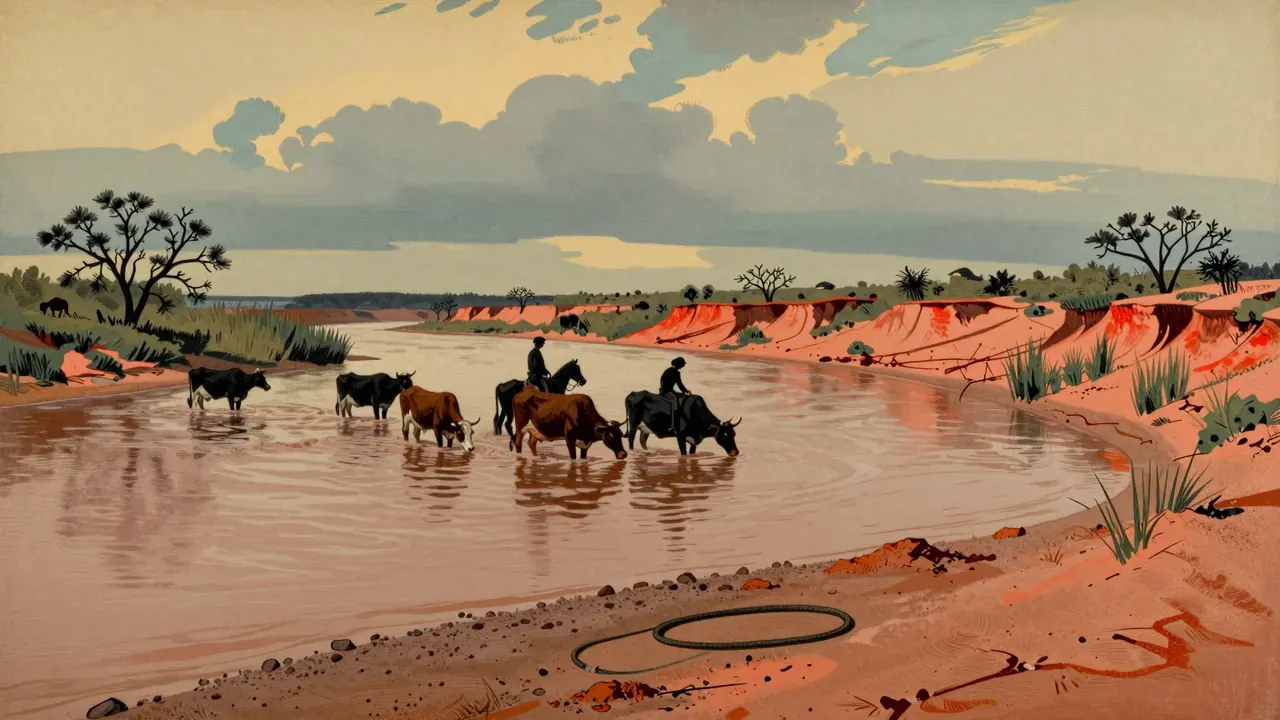
A 1948 Western following Thomas Dunson’s cattle drive from Texas to Kansas, and the slow, inevitable rupture between him and his adopted son Matt. Built on restraint and duration, it treats authority, succession and landscape as interlocking forces — not as myth, but as gruelling, embodied work.

13:00

Underworld

Josef von Sternberg · 1927

A 1927 Paramount silent directed by Josef von Sternberg, Underworld stars George Bancroft, Clive Brook and Evelyn Brent in a tightly wound crime story about patronage, betrayal and inescapable consequence. Based on a Ben Hecht story and shot by Bert Glennon, it established visual and thematic templates for the gangster genre — not through realism, but through mythic compression, deliberate pacing and a stark, shadowed aesthetic. It won the first Academy Award for Best Story.

13:00

Scarface

Brian De Palma · 1983

Brian De Palma's 1983 remake of Howard Hawks' original relocates the story to Miami's 1980 Mariel boatlift, with Oliver Stone's screenplay tracking a Cuban refugee's rise through the cocaine trade under Al Pacino at his most excessive. Giorgio Moroder's synthesizer score and a mansion-siege finale that a visiting Steven Spielberg helped shoot gave the film an afterlife in pop culture far larger than its mixed initial reviews suggested.

13:00

The French Connection

William Friedkin · 1971

The French Connection follows two New York narcotics detectives, modelled on real officers Eddie Egan and Sonny Grosso, as they trail a heroin shipment tied to an actual 1962 seizure. Made for $1.8 million after seven actors turned down the lead, it won five Academy Awards including Best Picture and Best Actor for Gene Hackman, and its documentary-style handheld camera and an unscripted-feeling car chase set a template for the decade of American crime films that followed it.