filmbriefs
Composer · Actor · 1940

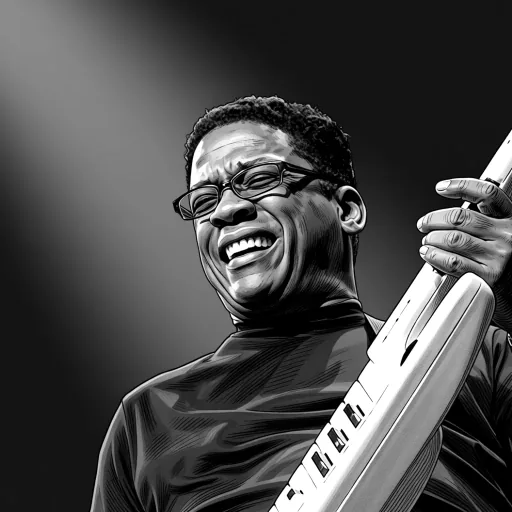
Herbie Hancock

3
briefs
13:00
average
39 min
in total
On film.briefs3
13:00

Jo Jo Dancer, Your Life Is Calling

Richard Pryor · 1986

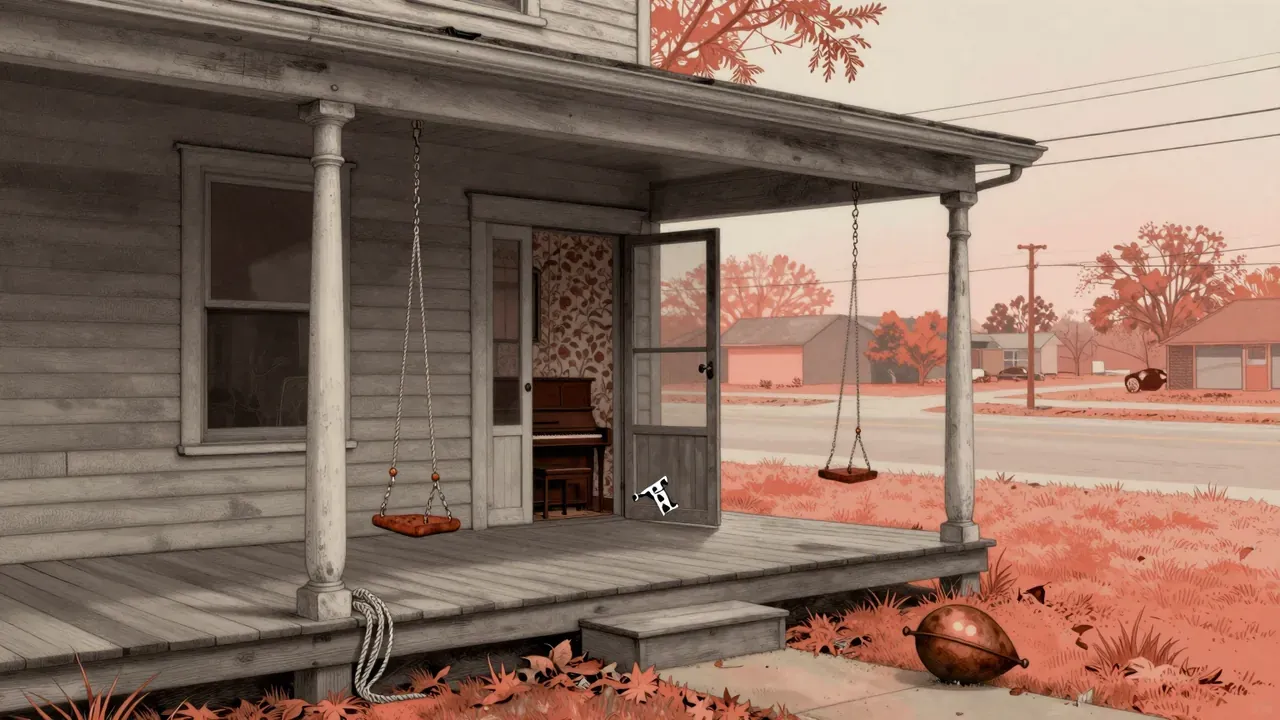
Richard Pryor’s 1986 directorial debut is a biographical drama structured around his near-fatal 1980 freebasing accident. As Jo Jo Dancer lies in a coma, his spirit revisits key episodes — Peoria childhood, early comedy struggles, fame, addiction, and collapse — without offering resolution or redemption. Shot with restrained naturalism by John A. Alonzo and scored sparsely by Herbie Hancock, the film prioritises behavioural realism over dramatic catharsis. Its strengths lie in accumulated detail and psychological consistency; its weaknesses include underdeveloped symbolism and muted engagement with race and systemic constraint. It is a demanding, unresolved, and unmistakably personal work.
13:00

Round Midnight

Bertrand Tavernier · 1986

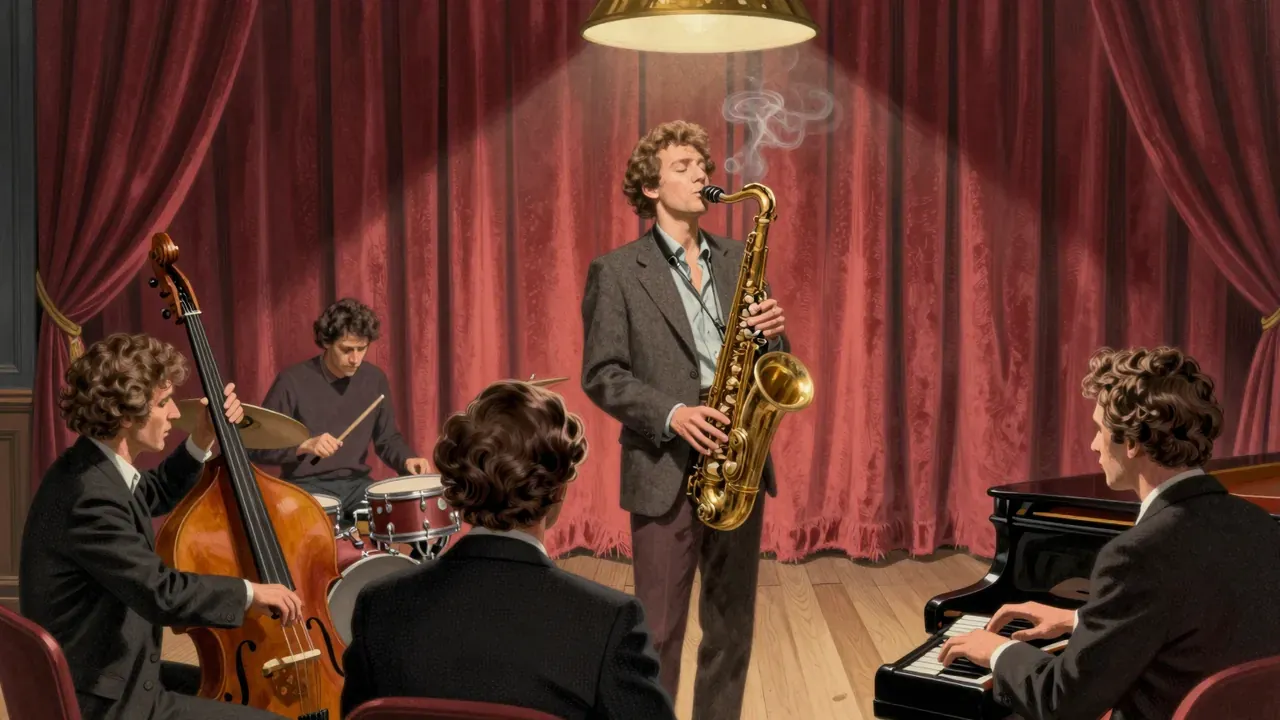
Bertrand Tavernier’s 1986 film follows American saxophonist Dale Turner (Dexter Gordon) as he seeks refuge from addiction in 1950s Paris, aided by a devoted French graphic designer (François Cluzet). Built around live jazz performances and anchored by Gordon’s restrained, deeply embodied performance, the film avoids biopic clichés to explore endurance, care, and the untranslatable language of music. Shot in Paris and New York, with a score by Herbie Hancock, it won the Academy Award for Best Original Score and was named one of the year’s top ten films by the National Board of Review.

13:00

Blowup

Michelangelo Antonioni · 1966

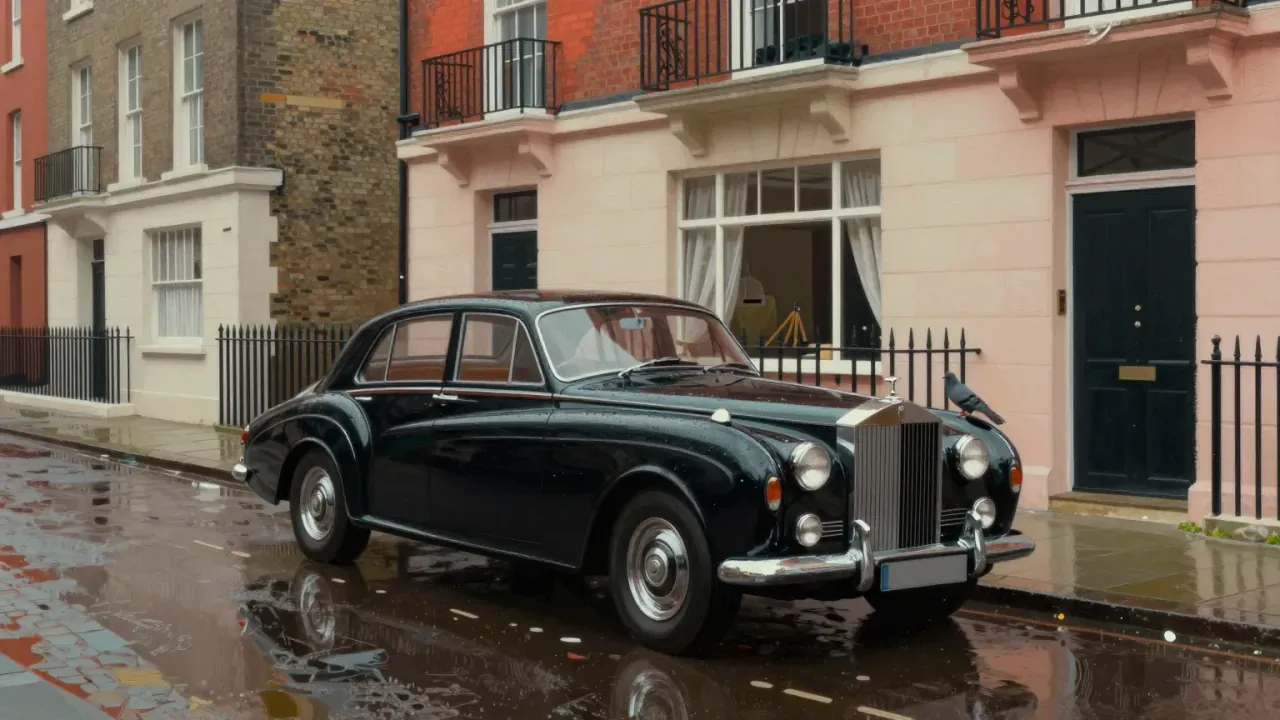
Michelangelo Antonioni’s 1966 English-language debut follows a London fashion photographer who believes he has photographed a murder — only to find that each enlargement deepens uncertainty rather than clarifying truth. Shot on location across Swinging London, with Carlo Di Palma’s restrained cinematography and Herbie Hancock’s sparse jazz score, Blowup uses photographic process as metaphor for perception itself. It won the Palme d’Or, helped end Hollywood’s Production Code, and remains a touchstone for films about mediation, alienation, and the instability of the image.