filmbriefs
Cinematographer · 1895–1988

Harold Rosson

4
briefs
13:00
average
52 min
in total
On film.briefs4
13:00

The Docks of New York

Josef von Sternberg · 1928

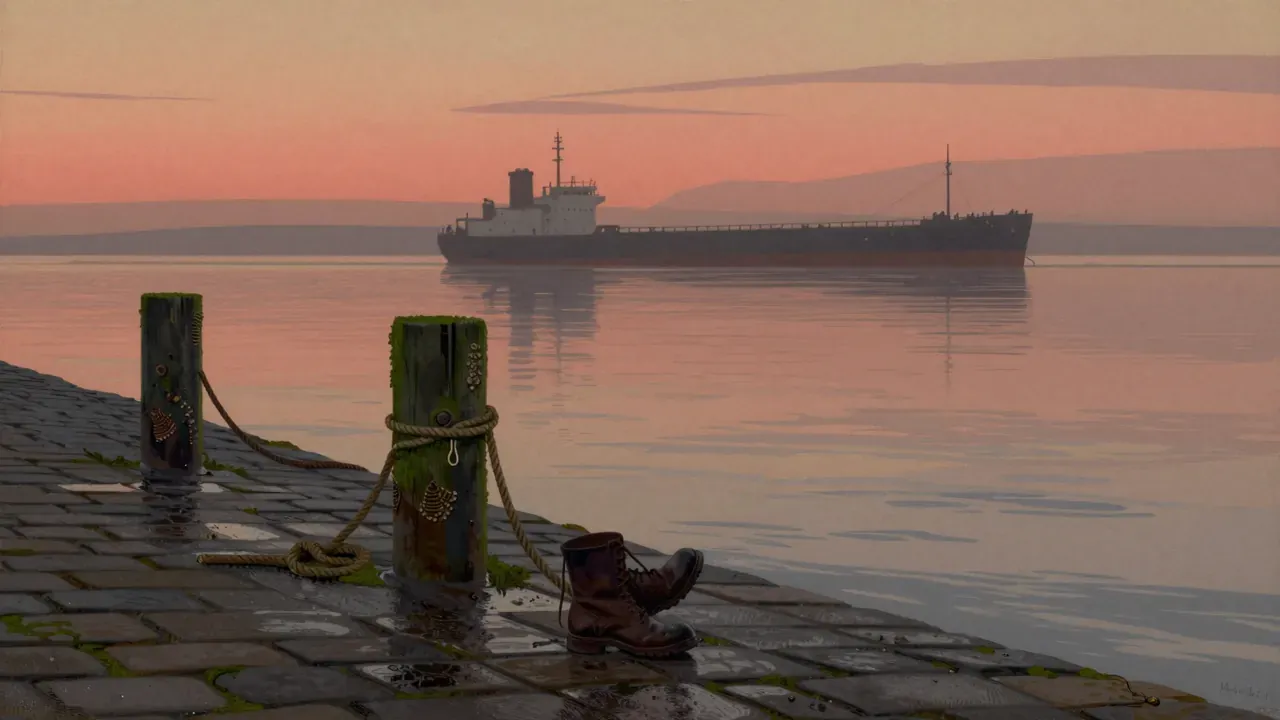
Josef von Sternberg’s 1928 romance, set on the New York waterfront, follows a stoker and a prostitute whose brief, impulsive marriage unfolds in a saloon, a flophouse, and a night court. Made at the end of the silent era, it relies on Harold Rosson’s chiaroscuro cinematography, Hans Dreier’s evocative sets, and Jules Furthman’s pared-down script to convey emotional complexity without exposition. Its power lies in restraint: in what is withheld, what is implied, and what is felt in the space between gestures.
13:00

Singin' in the Rain

Gene Kelly, Stanley Donen · 1952

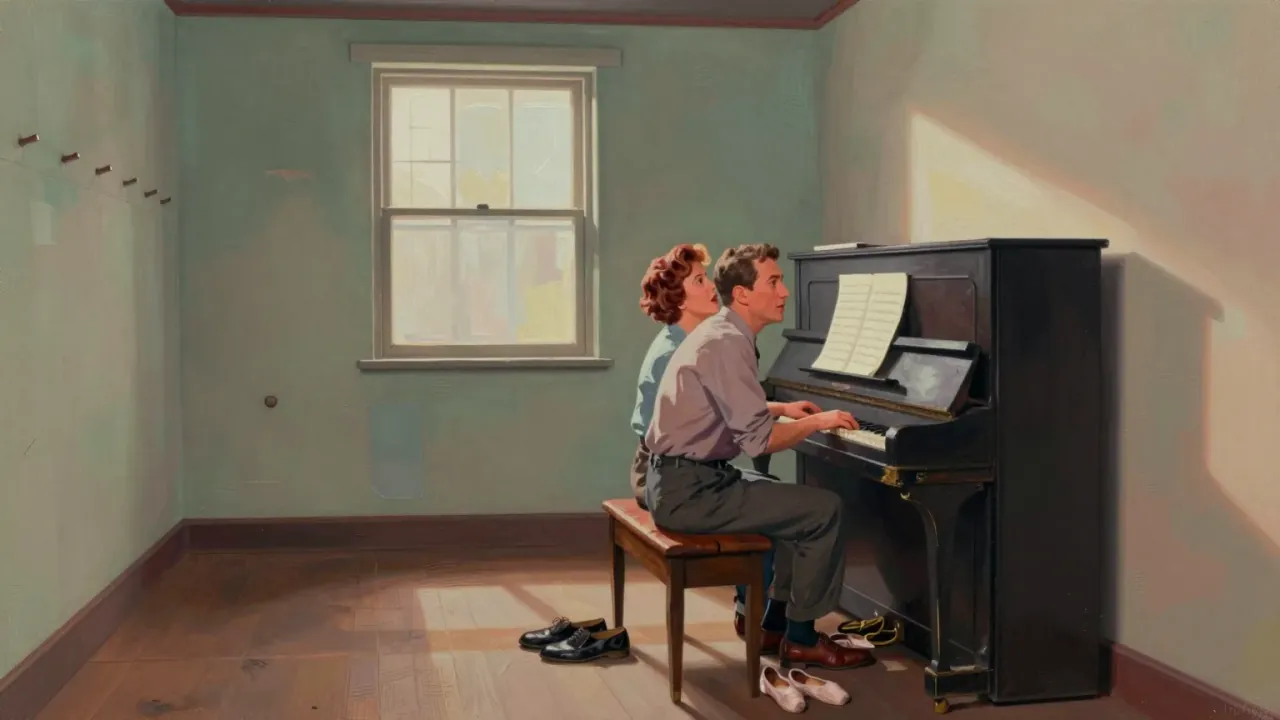
Singin’ in the Rain (1952) is a Metro-Goldwyn-Mayer musical directed by Gene Kelly and Stanley Donen, set during Hollywood’s transition from silent films to sound. With a script by Betty Comden and Adolph Green, it follows a leading man, his vaudevillian friend and a rising actress as they salvage a failing production by turning it into a musical. Built around pre-existing songs by Nacio Herb Brown and Arthur Freed, the film treats song-and-dance as narrative logic, not decoration. Its enduring reputation rests on choreographic precision, structural wit and an unironic belief in collective skill — not nostalgia.

13:00

The Asphalt Jungle

John Huston · 1950

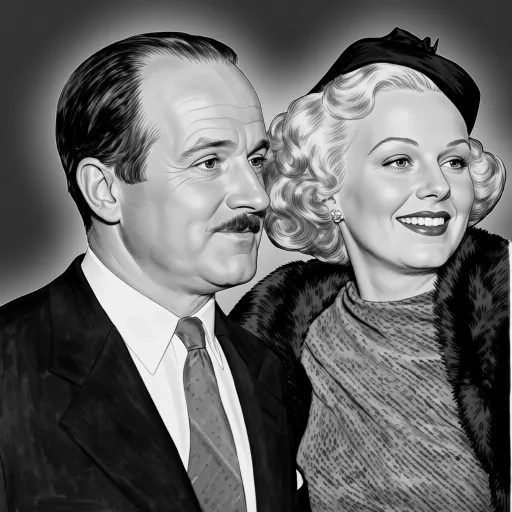
John Huston’s 1950 heist film follows a meticulously planned jewel robbery and its unraveling, centred on professionals whose expertise is undone by physiology, chance and debt. Shot by Harold Rosson and scored by Miklós Rózsa, it favours procedural realism over noir stylisation, grounding its characters in economic necessity rather than moral ambiguity. Though commercially modest and initially resisted by MGM, it endures as a benchmark of structural discipline in American crime cinema.

13:00

The Wizard of Oz

Victor Fleming, King Vidor · 1939

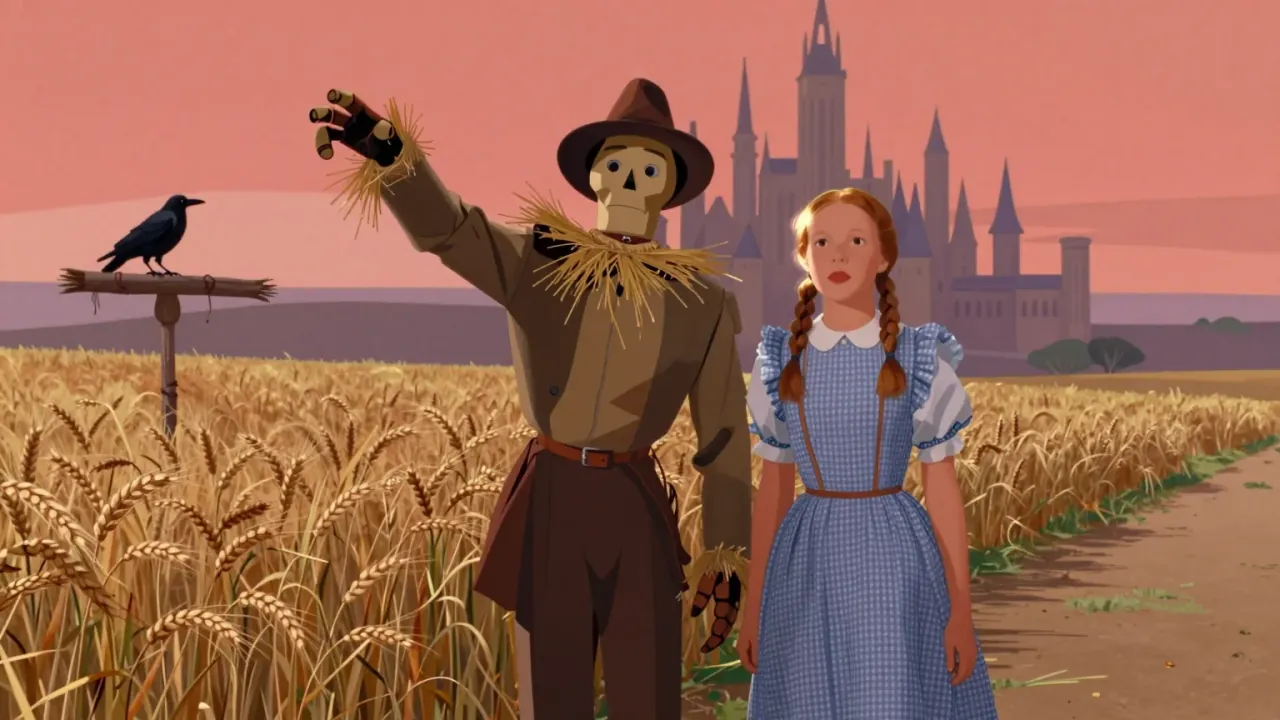
The Wizard of Oz (1939) is a Metro-Goldwyn-Mayer musical fantasy directed primarily by Victor Fleming, adapted from L. Frank Baum’s novel. Starring Judy Garland, it follows Dorothy’s journey from Kansas to Oz and back, using three-strip Technicolor, integrated song, and character-driven performance to explore competence, belonging, and self-recognition. Though framed as a dream, its power lies in the consistency of its emotional logic and the precision of its craft — from Harold Rosson’s cinematography to Harold Arlen’s score. It remains culturally central not as myth but as a sustained demonstration of how form and feeling can be made inseparable.