filmbriefs
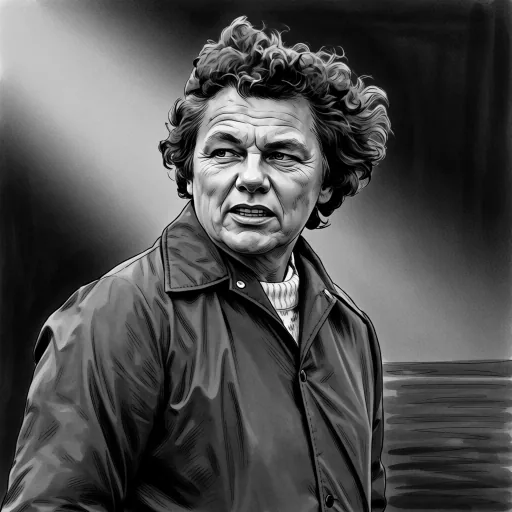
Cinematographer · 1931–2014

Gordon Willis

5
briefs
13:00
average
65 min
in total
On film.briefs5
13:00

Klute

Alan J. Pakula · 1971

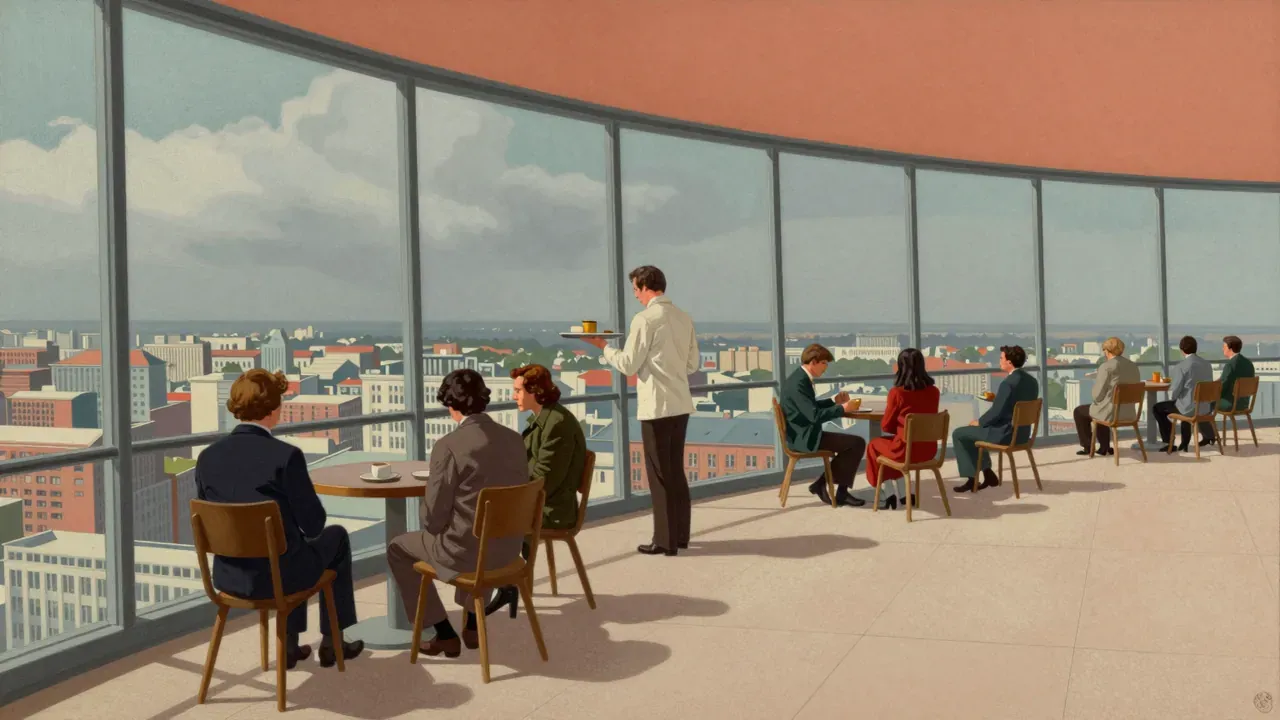
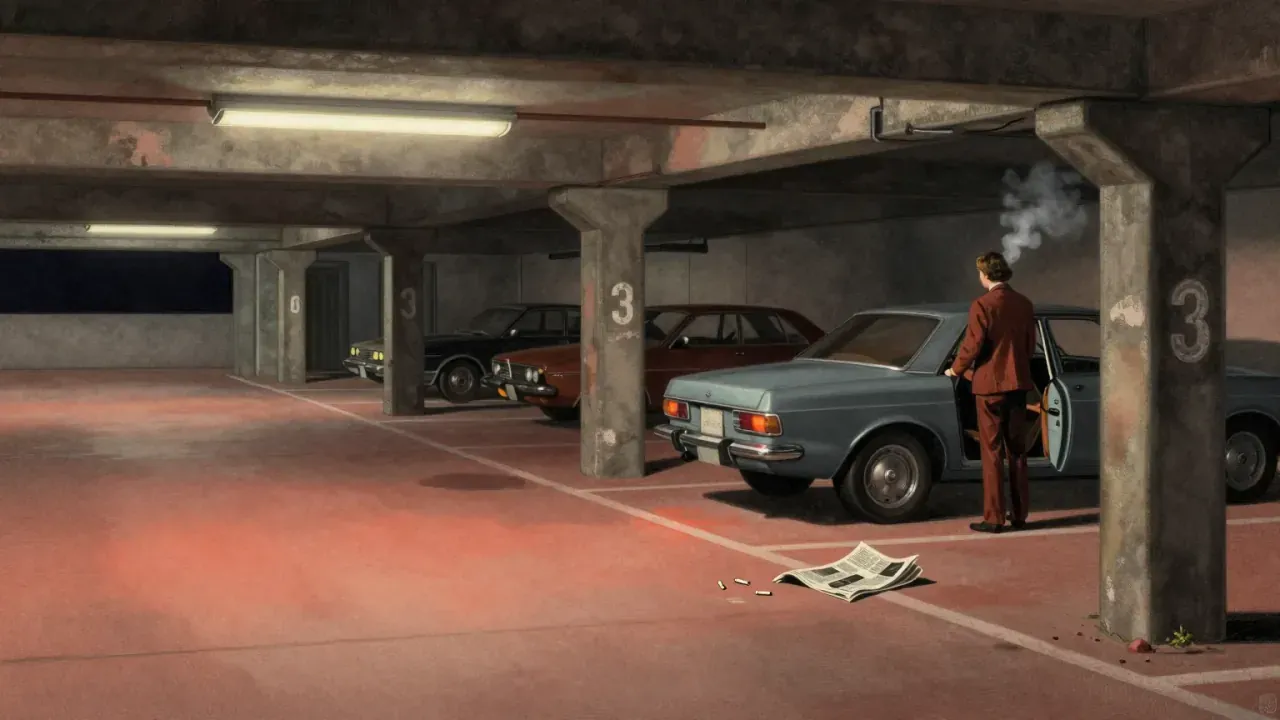
A 1971 neo-noir thriller directed by Alan J. Pakula, Klute follows a Pennsylvania detective investigating a missing executive by surveilling a New York call girl. Jane Fonda’s Oscar-winning performance anchors a film defined by Gordon Willis’s shadow-drenched cinematography, Michael Small’s unsettling score, and a script that treats paranoia as atmosphere rather than plot. It is the first of Pakula’s informal 'paranoia trilogy', prioritising psychological realism over narrative closure.
13:00

The Parallax View

Alan J. Pakula · 1974

The Parallax View (1974) follows journalist Joe Frady as he investigates a string of deaths linked to the assassination of a US senator — only to find himself drawn into the recruitment pipeline of the shadowy Parallax Corporation. Directed by Alan J. Pakula and shot by Gordon Willis, it is a tightly wound, visually austere thriller whose power lies in its procedural rigour and refusal to grant its protagonist redemption or revelation.

13:00

All the President's Men

Alan J. Pakula · 1976

Robert Redford and Dustin Hoffman play Washington Post reporters Woodward and Bernstein chasing a break-in story that grows into the reporting that helped end a presidency, told almost entirely from inside the newsroom.

13:00

The Godfather

Francis Ford Coppola · 1972

Francis Ford Coppola's 1972 adaptation of Mario Puzo's novel follows the Corleone family as the youngest son, Michael, is pulled from war-hero outsider into the head of an organised-crime dynasty. Shot by Gordon Willis in interiors so underlit that faces disappear into shadow, scored by Nino Rota, and built on an ensemble led by Marlon Brando and Al Pacino, it cost Paramount $7 million and returned over $268 million, and swept that year's Best Picture, Best Actor and Best Adapted Screenplay Oscars.

13:00

The Godfather Part II

Francis Ford Coppola · 1974

Francis Ford Coppola's 1974 sequel cuts between young Vito Corleone's immigrant rise in early-twentieth-century New York, played by Robert De Niro, and Michael Corleone's ruthless consolidation of the family's power a generation later, played again by Al Pacino. Gordon Willis returns as cinematographer and Nino Rota as composer, on a budget of $13 million against a $48 million take, and the film won six Oscars including Best Picture and Best Director, an unusual feat for a sequel.