filmbriefs
Director · Screenwriter · 1885–1967

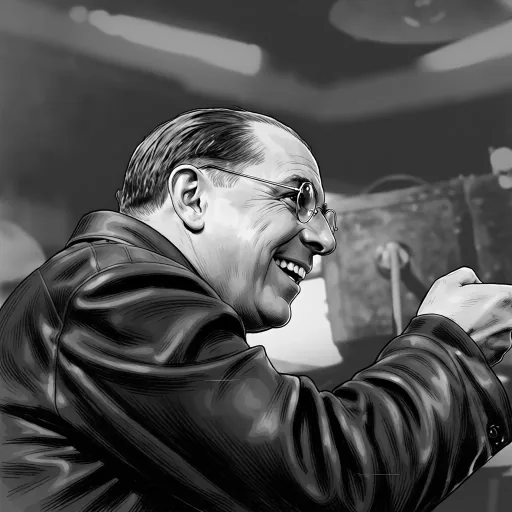
Georg Wilhelm Pabst

4
briefs
13:00
average
52 min
in total
On film.briefs4
13:00

Pandora's Box

Georg Wilhelm Pabst · 1929

Georg Wilhelm Pabst’s 1929 silent adaptation of Wedekind’s Lulu plays stars Louise Brooks as a woman whose unmediated presence unravels men, laws, and institutions. Shot in Berlin with precise, unsentimental craft, it treats desire as social force rather than personal failing. Though dismissed on release and heavily censored abroad, it is now regarded as a cornerstone of Weimar cinema — austere, unsparing, and formally exact.
13:00

The Threepenny Opera

Georg Wilhelm Pabst · 1931

Georg Wilhelm Pabst’s 1931 adaptation of The Threepenny Opera strips Brecht and Weill’s satire to its structural bones: crime, policing, charity and banking are shown as functionally identical. Shot in Berlin with Fritz Arno Wagner’s restrained cinematography and edited by Jean Oser to withhold emphasis, it replaces theatrical provocation with quiet, cumulative equivalence. Though legally contested and later banned by the Nazis, its reconstructed German version remains a precise, unsentimental study of power as routine.

13:00

Westfront 1918

Georg Wilhelm Pabst · 1930

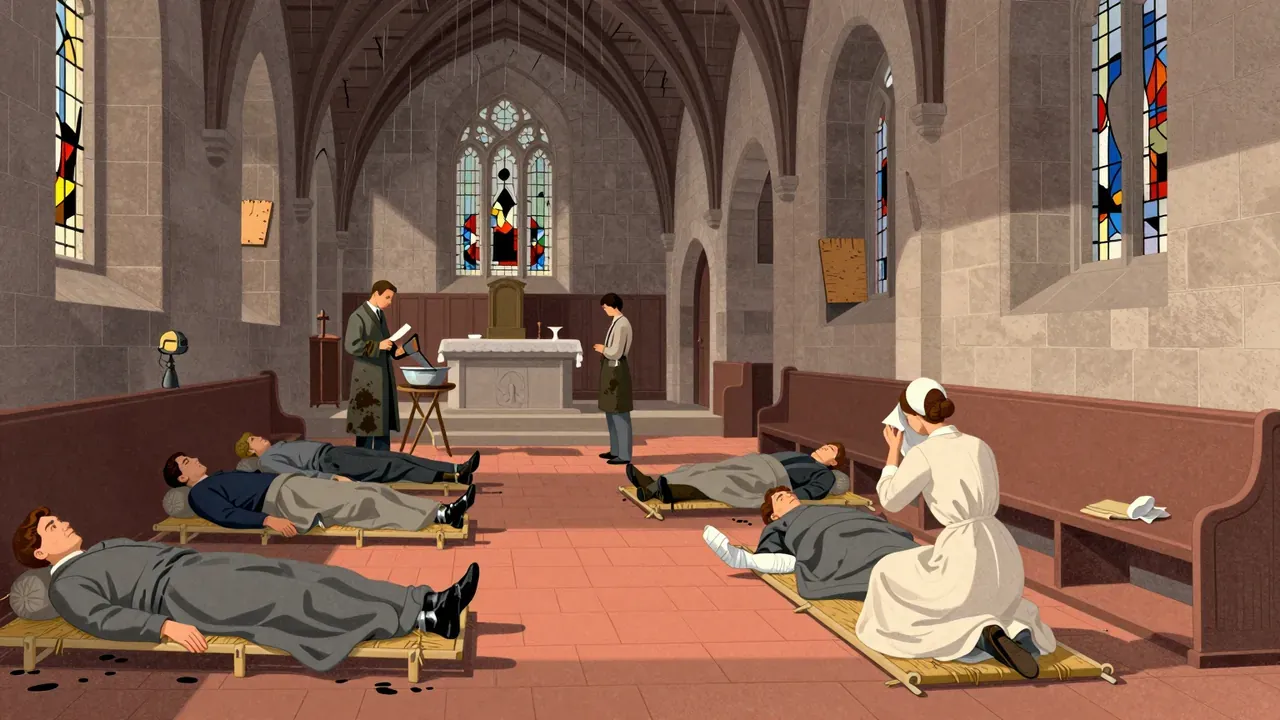
Georg Wilhelm Pabst’s 1930 German sound film Westfront 1918 follows four infantrymen on the Western Front in the final months of the First World War. Shot with documentary restraint and pioneering live trench audio, it depicts war as cumulative exhaustion rather than heroic action. Its power lies in physical detail — mud, collapsed trenches, field hospitals in ruined churches — not plot or character revelation. Banned by the Nazis as 'cowardly defeatism', it remains a key work of Weimar realism.

13:00

Joyless Street

Georg Wilhelm Pabst · 1925

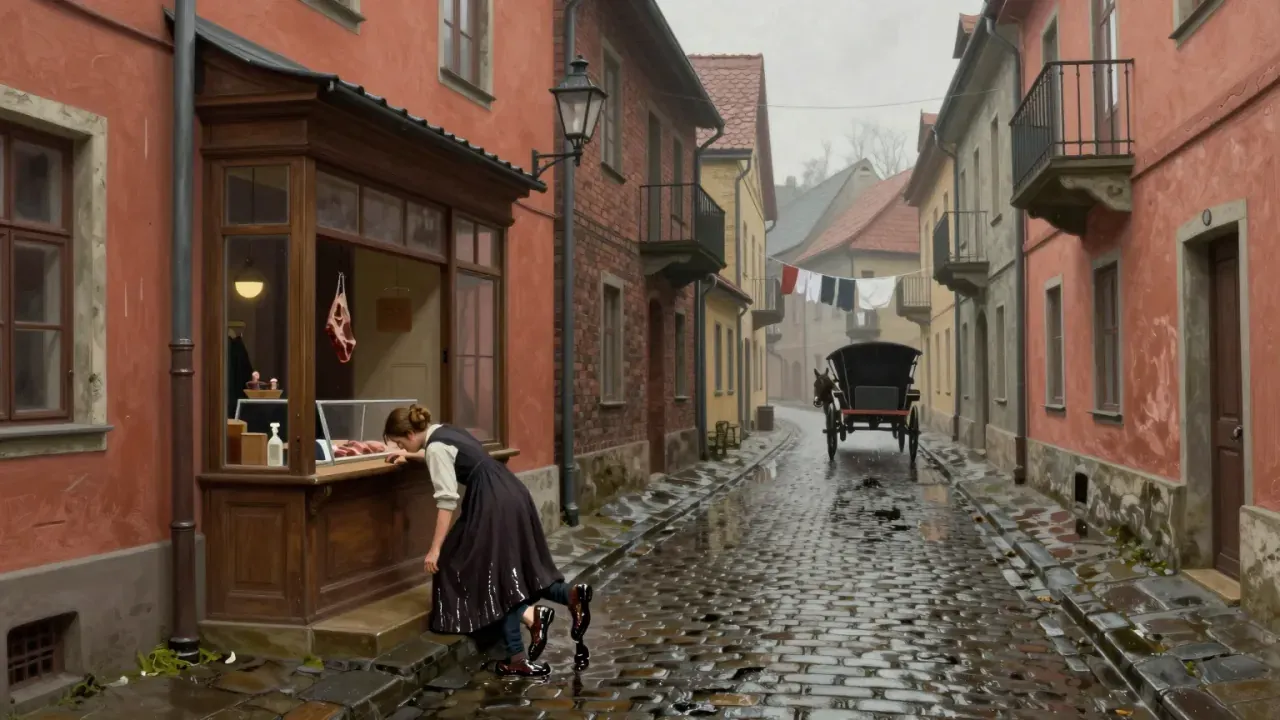
Georg Wilhelm Pabst’s 1925 silent film Joyless Street observes life in a Viennese alley during hyperinflation, following Marie, Grete, and Else as they navigate hunger, exploitation, and eroded dignity. Adapted from Hugo Bettauer by Willy Haas, it rejects expressionist exaggeration for a flatter, denser realism—studio sets by Erdmann and Sohnle, cinematography by Seeber, Oertel and Lach, editing by Mark Sorkin. Its power lies in accumulation, not climax: small choices, shared spaces, systemic pressure. Restored in the 1990s, it remains a key work of New Objectivity—and a demanding, unsentimental record of societal breakdown.