filmbriefs
Actor · 1917–1994

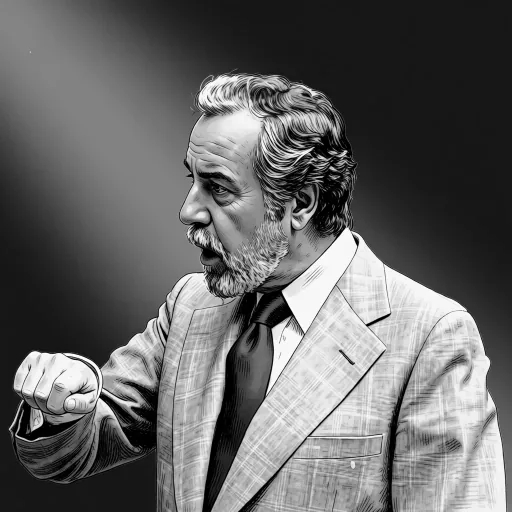
Fernando Rey

7
briefs
13:00
average
91 min
in total
On film.briefs7
13:00

Chimes at Midnight

Orson Welles · 1965

Orson Welles’s 1965 Chimes at Midnight condenses five Shakespeare plays into a stark, tactile drama centred on Sir John Falstaff and Prince Hal. Shot in Spain on a tight budget, it privileges physical presence and moral ambiguity over narrative fluency or sonic consistency. Its enduring power lies in Welles’s performance, Edmond Richard’s muted cinematography, and a vision of kingship as betrayal dressed as duty.

13:00

The Hit

Stephen Frears · 1984

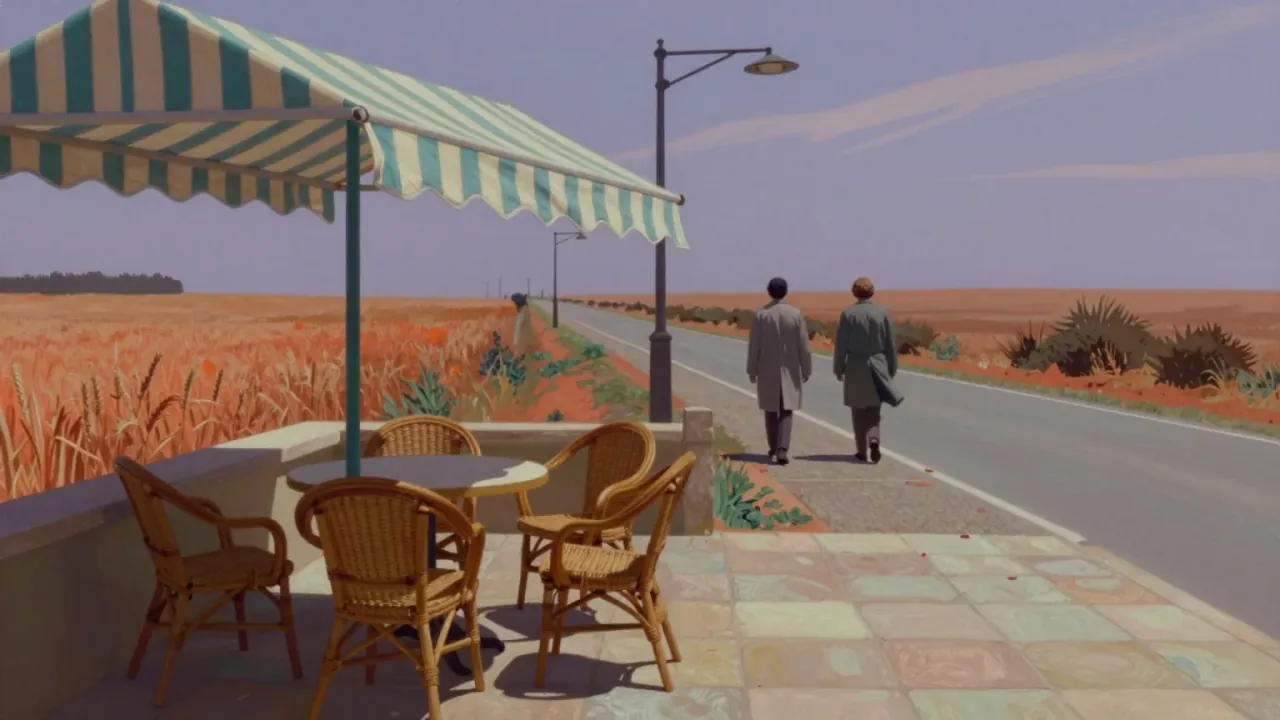
Stephen Frears’ 1984 British crime film follows a retired informant, a world-weary hit man, and his volatile apprentice on a slow, sun-bleached drive across Spain toward an unseen reckoning. With Terence Stamp, John Hurt, and Tim Roth in career-defining roles, and Paco de Lucía’s flamenco-inflected score, it replaces thriller mechanics with existential weight — finding dread not in danger, but in duration.

13:00

The Immortal Story

Orson Welles · 1968

Orson Welles’ 1968 French-language drama adapts Karen Blixen’s short story into a tightly wound fable set in nineteenth-century Macao. A dying merchant forces a sailor and a young woman to enact a seafaring legend, testing whether myth can survive embodiment. Shot in Spain with a small cast and sparse design, it foregrounds stillness, silence, and the instability of narrative authority — not as flaws, but as principles.

13:00

Viridiana

Luis Buñuel · 1961

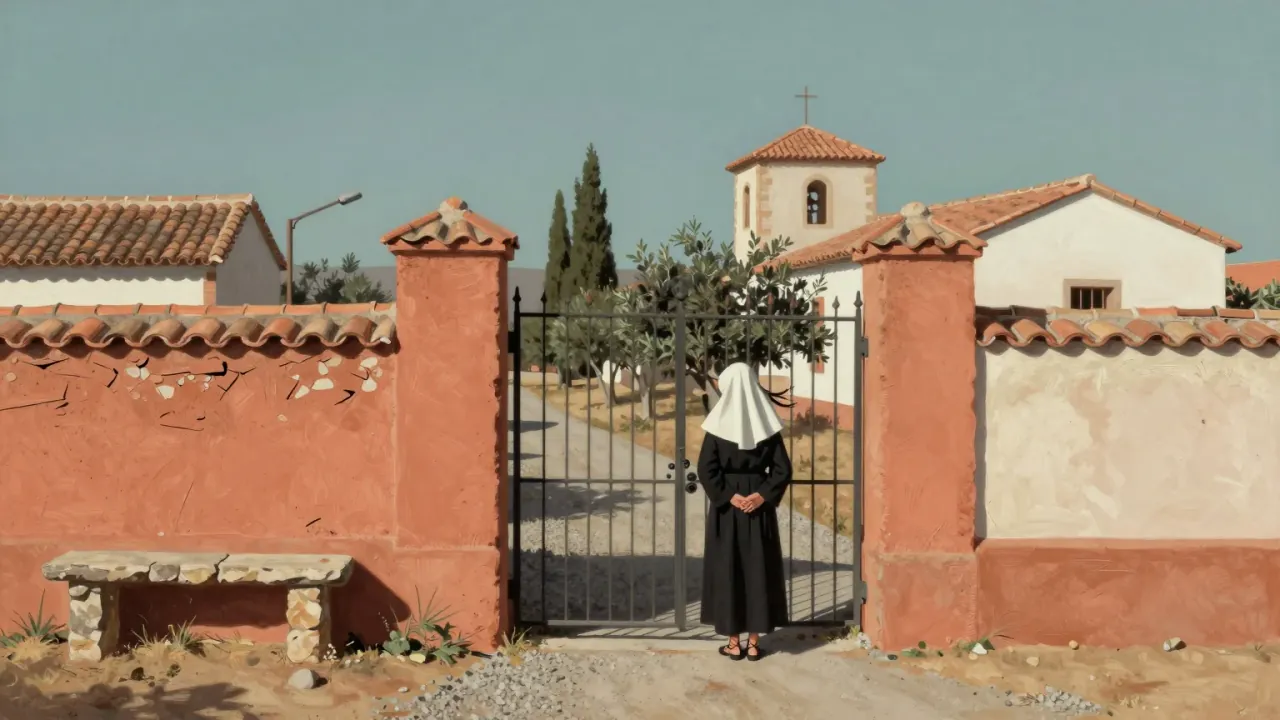
Luis Buñuel’s 1961 Palme d’Or winner adapts Pérez Galdós into a stark Mexican drama about a novice nun whose vow of poverty unravels when she tries to run an almshouse for beggars. Shot in flat, frontal compositions by José Fernández Aguayo and edited with deliberate stillness by Pedro del Rey, it uses silence, repetition, and ritual mimicry to expose the fragility of moral systems. The film’s power lies in its refusal to explain, judge, or resolve — making it essential arthouse viewing, though demanding for those who seek narrative clarity or psychological warmth.

13:00

That Obscure Object of Desire

Luis Buñuel · 1977

Luis Buñuel’s 1977 swan song adapts Pierre Louÿs’s novel into a stark, absurdist study of erotic fixation. Fernando Rey plays Mathieu, a wealthy Frenchman obsessed with Conchita — portrayed interchangeably by Carole Bouquet and Ángela Molina. Framed as a train confession and punctuated by unexplained terrorist violence, the film refuses psychological coherence, using repetition, structural disjunction, and deadpan tone to embody desire as irrational, inescapable, and faintly ridiculous.

13:00

The Discreet Charm of the Bourgeoisie

Luis Buñuel · 1972

Luis Buñuel’s 1972 surrealist comedy follows a group of French bourgeois and a South American ambassador as they repeatedly fail to share a meal. Structured around five thwarted gatherings and four interwoven dreams, the film uses repetition, deadpan performance, and seamless shifts between reality and fantasy to dissect ritual, class, and the quiet violence of politeness. Shot by Edmond Richard and edited by Hélène Plemiannikov, it won the 1973 Academy Award for Best International Feature Film.

13:00

The French Connection

William Friedkin · 1971

The French Connection follows two New York narcotics detectives, modelled on real officers Eddie Egan and Sonny Grosso, as they trail a heroin shipment tied to an actual 1962 seizure. Made for $1.8 million after seven actors turned down the lead, it won five Academy Awards including Best Picture and Best Actor for Gene Hackman, and its documentary-style handheld camera and an unscripted-feeling car chase set a template for the decade of American crime films that followed it.