Saved
Actor · 1947–2016

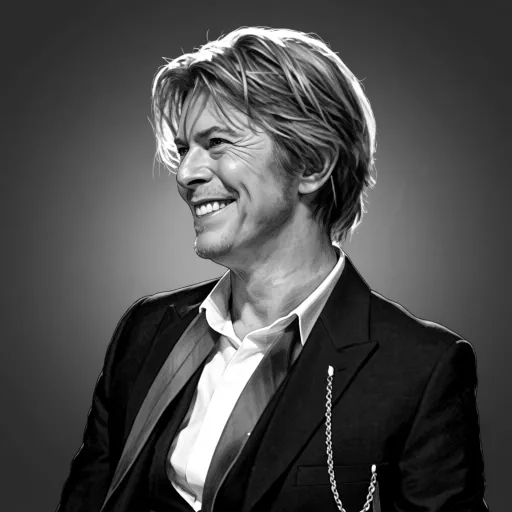
David Bowie

6
briefs
13:00
average
78 min
in total
On film.briefs6
13:00

Basquiat

Julian Schnabel · 1996

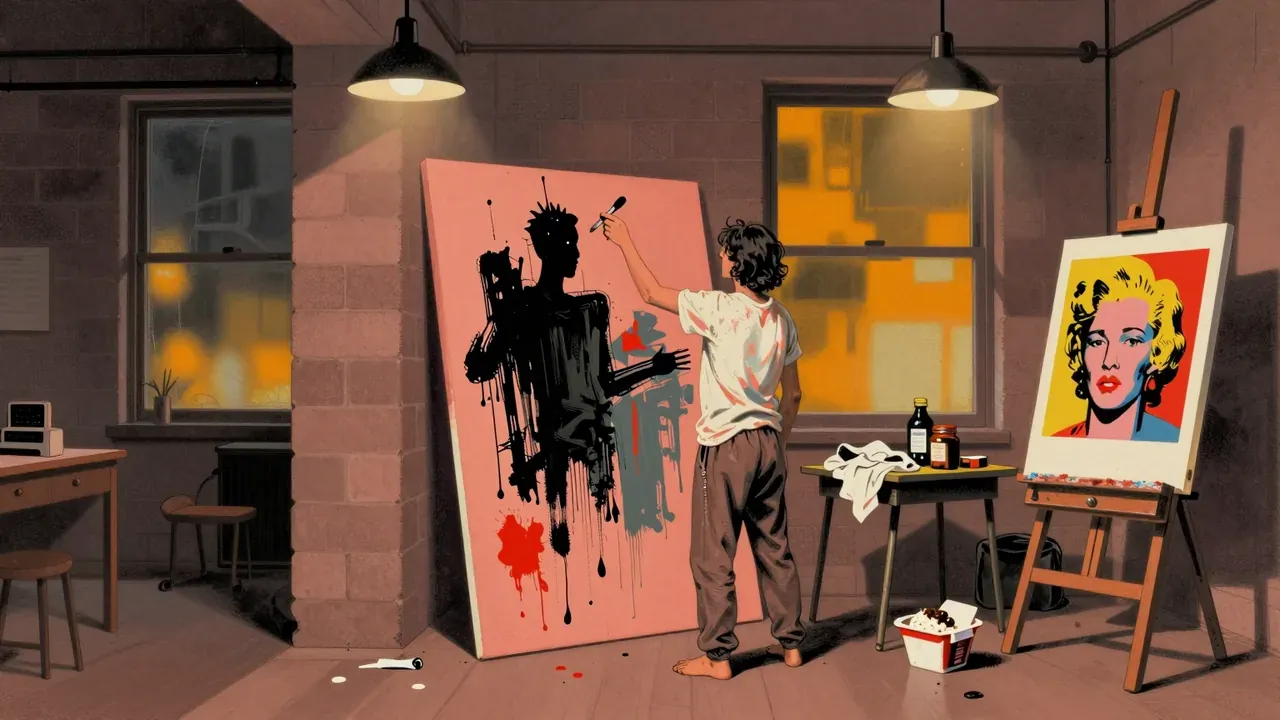
Julian Schnabel’s 1996 directorial debut is a biographical film about Jean-Michel Basquiat, starring Jeffrey Wright and David Bowie as Warhol. Made without access to Basquiat’s actual artwork, it relies on stylistic approximation and a self-reflexive script co-written by Schnabel and Lech Majewski. The film traces Basquiat’s rapid ascent and decline in 1980s New York, foregrounding his relationship with Warhol and his struggle with addiction. Its strength lies in texture and restraint; its limitation, in the narrowing of Basquiat’s voice, politics and heritage to fit Schnabel’s personal elegy.

13:00

Christiane F.

Uli Edel · 1981

Christiane F. (1981) is a West German drama adapted from a real teenager’s account of heroin addiction in 1970s West Berlin. Directed by Uli Edel and shot with non-professional actors on location, it charts Christiane’s descent from bored 13-year-old to dependent user over two years, using unflinching realism, restrained performances, and a grey, grounded visual style. It omits her full biography — beginning and ending abruptly — and makes no claim to diagnosis or resolution. David Bowie appears in concert footage and contributes to the soundtrack, but his role is atmospheric, not symbolic.

13:00

Moonage Daydream

Brett Morgen · 2022

Moonage Daydream is a 140-minute documentary about David Bowie, directed and edited by Brett Morgen from five million items in Bowie’s personal archive. It uses montage, remixed music, and unreleased footage to construct a non-linear, sensory portrait — avoiding biography in favour of immersion. Premiered at Cannes in 2022, it won a Grierson Award and was shortlisted for an Oscar. It is structured as a series of associative chapters, emphasising Bowie’s intellectual and aesthetic preoccupations over career milestones.

13:00

The Last Temptation of Christ

Martin Scorsese · 1988

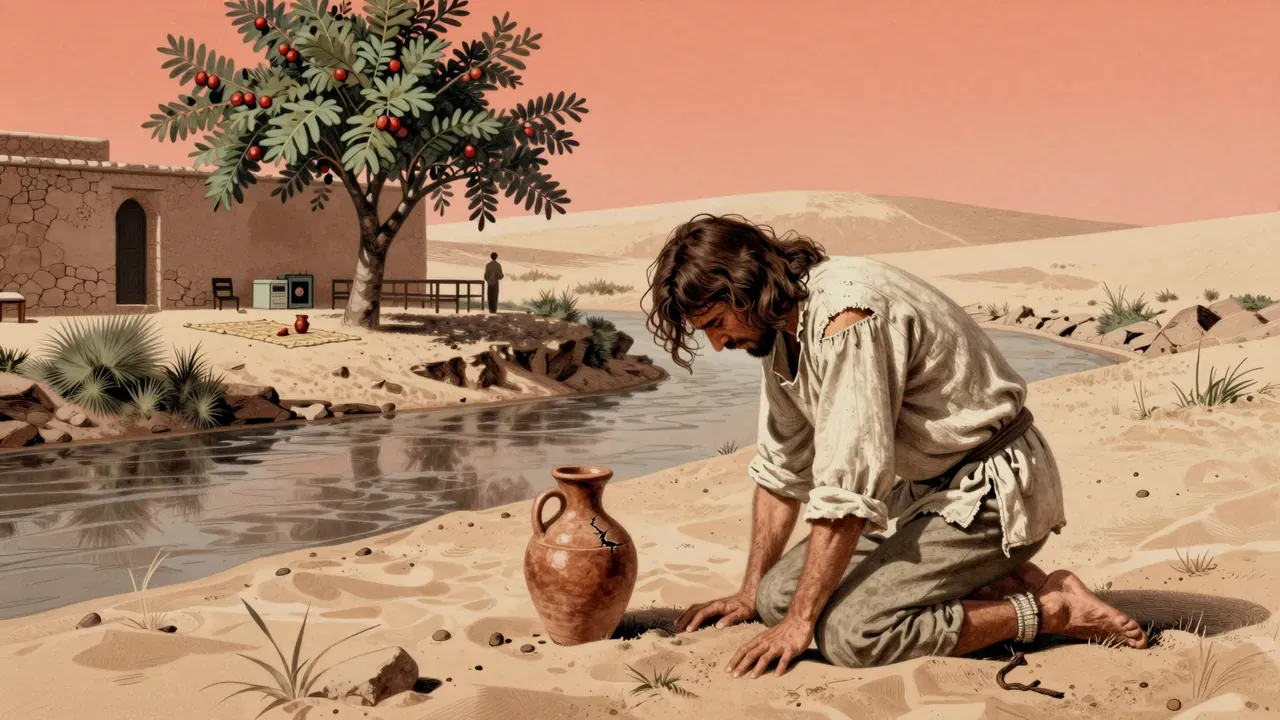
Martin Scorsese’s 1988 adaptation of Nikos Kazantzakis’s novel imagines Jesus not as divine certainty but as a man besieged by doubt, desire, and exhaustion. Willem Dafoe stars in a performance defined by physical and vocal restraint, supported by Michael Ballhaus’s muted cinematography and Peter Gabriel’s world-music score. Shot in Morocco on a $7m budget, it avoids spectacle in favour of psychological texture — from the dusty realism of Nazareth to the hallucinatory austerity of the desert. Controversial on release for its humanisation of Christ, it endures as a rare studio film that treats spiritual struggle with existential seriousness, not dogma.

13:00

The Man Who Fell to Earth

Nicolas Roeg · 1976

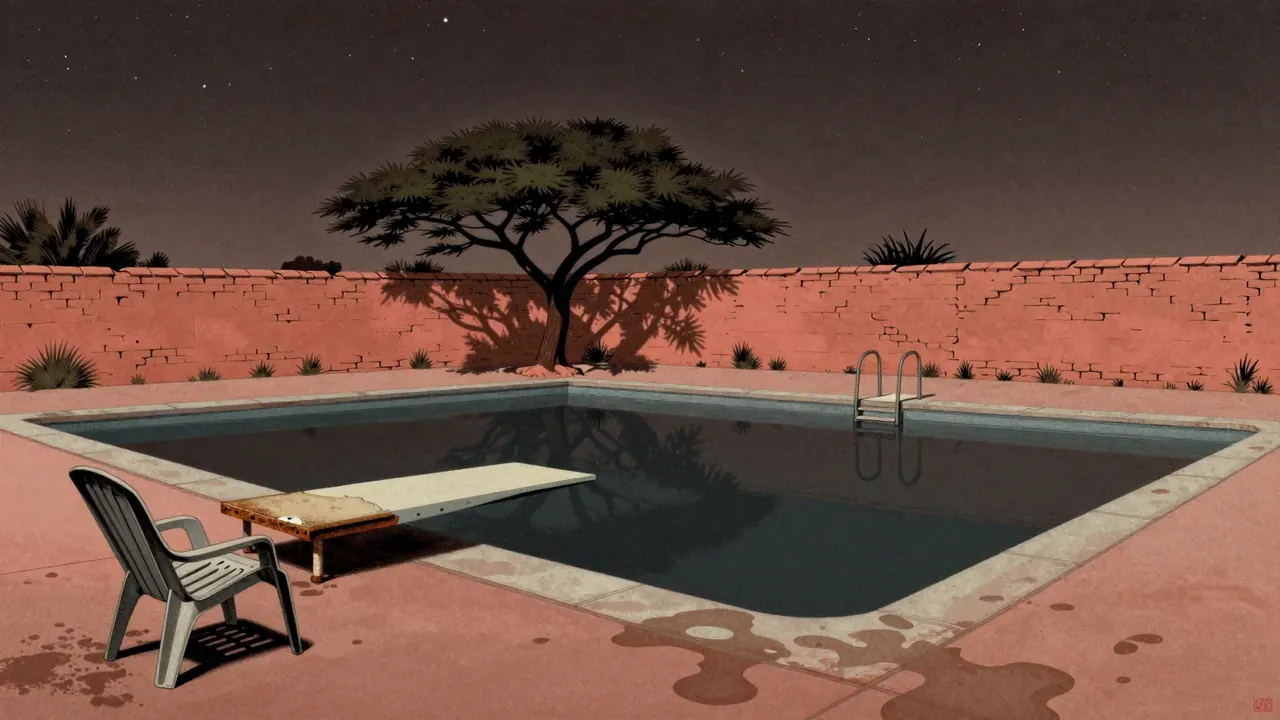
Nicolas Roeg’s 1976 adaptation of Walter Tevis’s novel follows Thomas Jerome Newton (David Bowie), an alien who lands in New Mexico to secure water for his drought-ravaged planet. Using advanced knowledge, he amasses wealth and builds a rocket — but becomes entangled in human relationships, addiction, and surveillance. Shot by Anthony B. Richmond in New Mexico, with a fragmented, atmospheric score by John Phillips, the film treats estrangement as perceptual, not biological. Its power lies in cumulative mood, not plot mechanics.

13:00

Twin Peaks: Fire Walk with Me

David Lynch · 1992

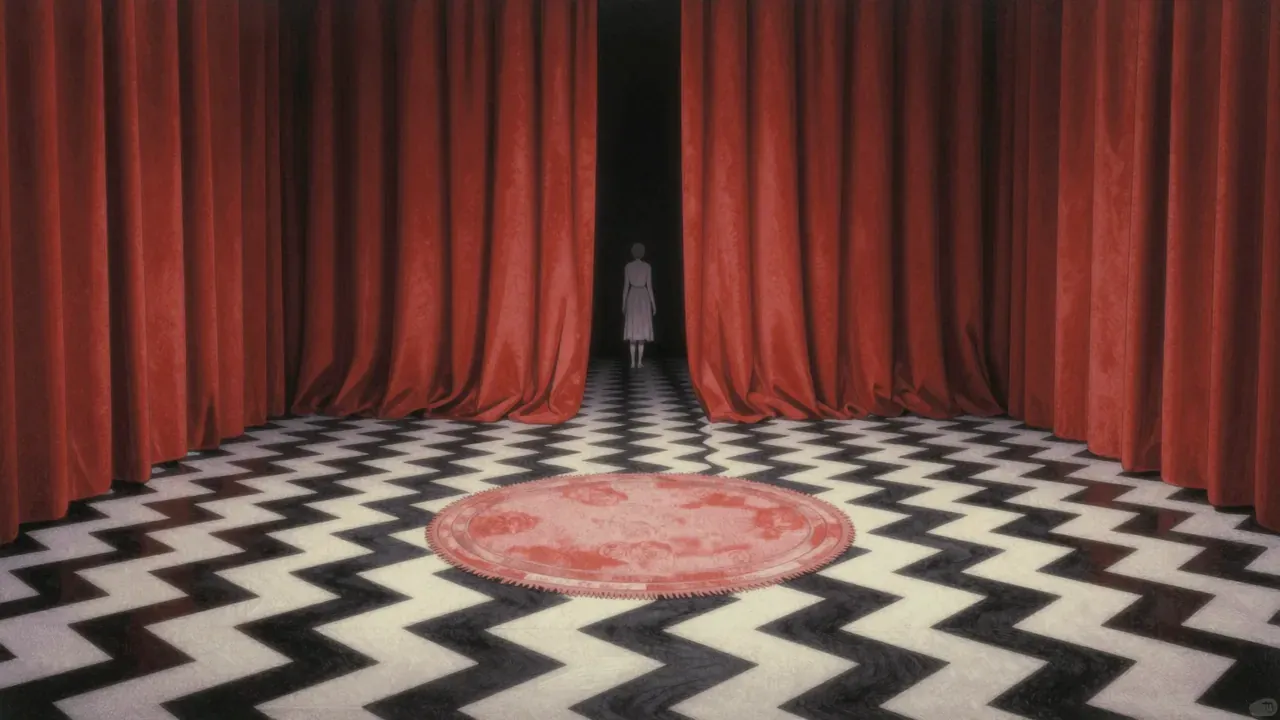
David Lynch’s 1992 prequel to Twin Peaks focuses on Laura Palmer’s final days, stripping away the TV series’ whimsy to confront trauma, abuse, and institutional failure with unflinching rigour. Sheryl Lee’s performance anchors a film defined by dissonant sound, claustrophobic framing, and narrative austerity. Though polarising on release, it has been re-evaluated as a major work of psychological horror and arthouse cinema.