filmbriefs
Director · Screenwriter

Costa-Gavras

5
briefs
13:00
average
65 min
in total
On film.briefs5
13:00

Missing

Costa-Gavras · 1982

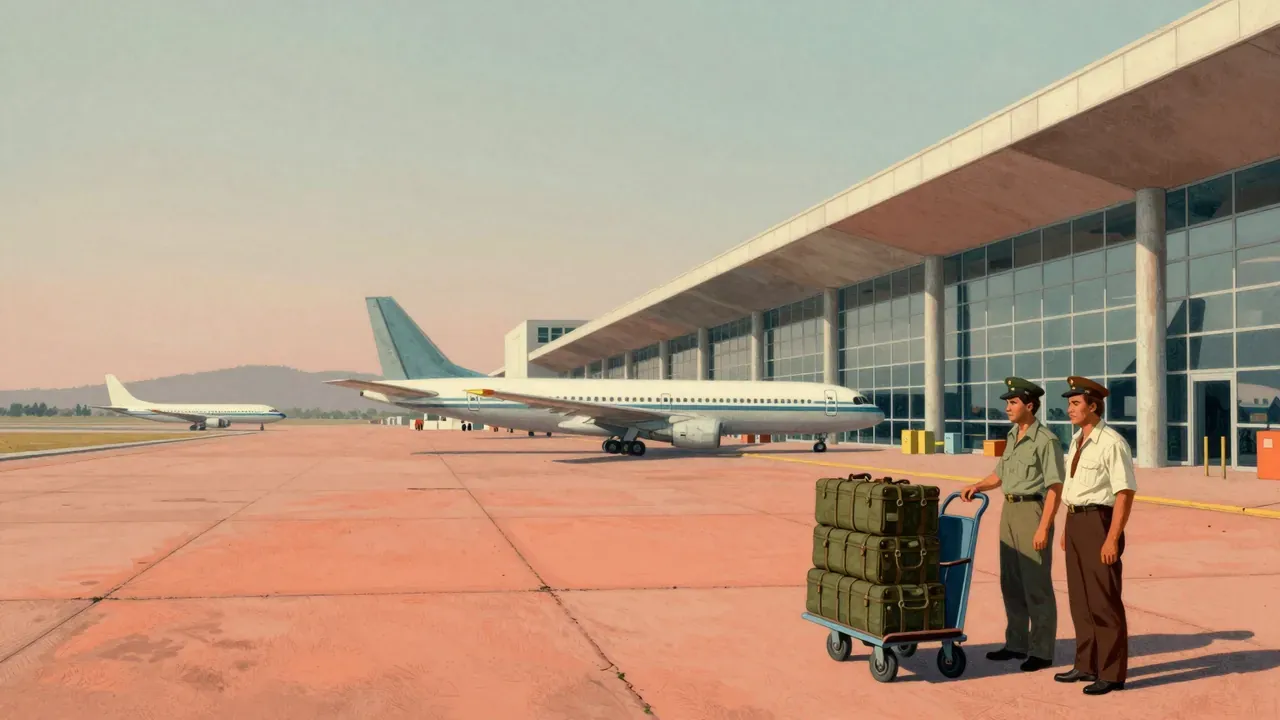
Costa-Gavras’s 1982 film follows an American businessman and his daughter-in-law as they search for a journalist missing after the 1973 Chilean coup. Shot in Mexico and performed largely in Spanish, it traces their confrontation with U.S. diplomatic obstruction and their slow realisation of systemic complicity. Jack Lemmon and Sissy Spacek anchor a restrained, procedural portrait of grief and accountability.
13:00

Monsieur Klein

Joseph Losey · 1976

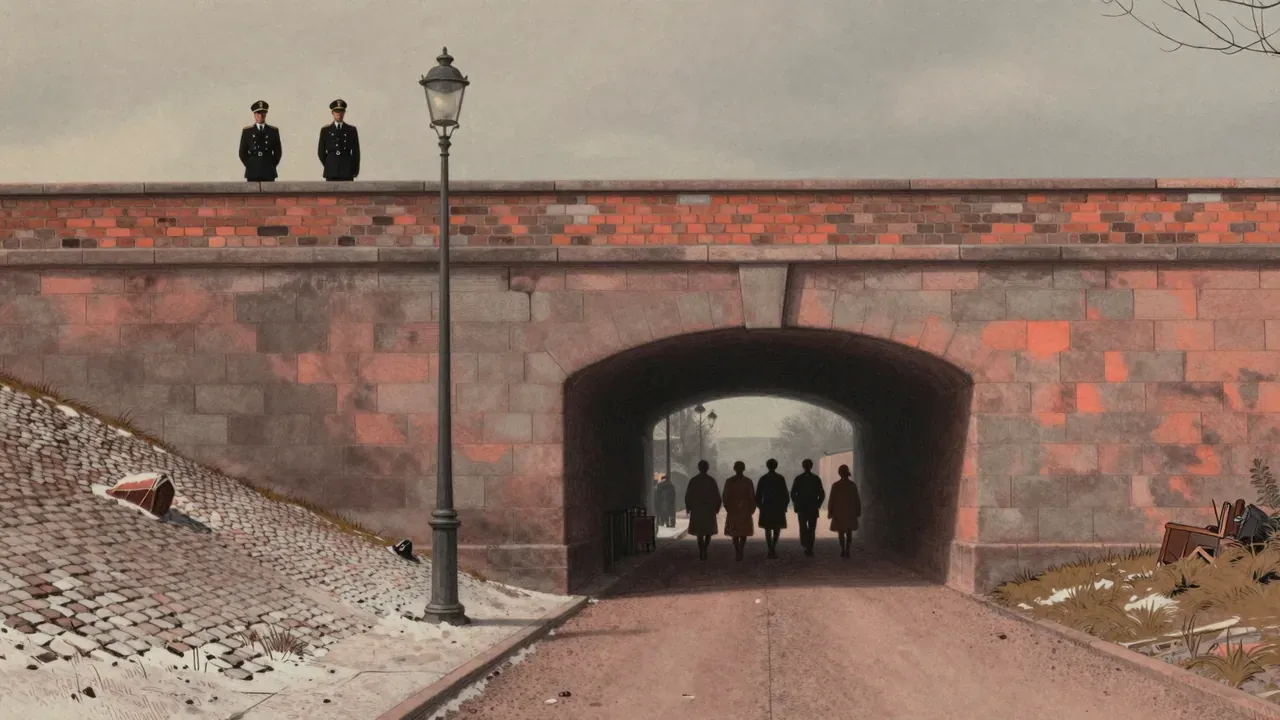
Set in occupied Paris in 1942, Monsieur Klein follows art dealer Robert Klein as he is mistaken for a Jewish namesake and drawn into a vortex of suspicion, paperwork, and erasure. Directed by Joseph Losey and starring Alain Delon, it uses Kafkaesque structure and austere craft to explore identity as a fragile, administratively conferred status — culminating not in revelation, but in the Vel' d'Hiv Roundup and deportation to Auschwitz.

13:00

State of Siege

Costa-Gavras · 1972

Costa-Gavras’s State of Siege (1972) dramatises the kidnapping and execution of a US official by Uruguayan guerrillas, using the real-life Dan Mitrione case as a framework to examine Cold War counterinsurgency, torture training, and the bureaucratic laundering of violence. Shot in Chile under Allende, it stars Yves Montand and employs rigorous structure, restrained performance, and precise craft to mount a sustained argument about power, language, and continuity.

13:00

The Confession

Costa-Gavras · 1970

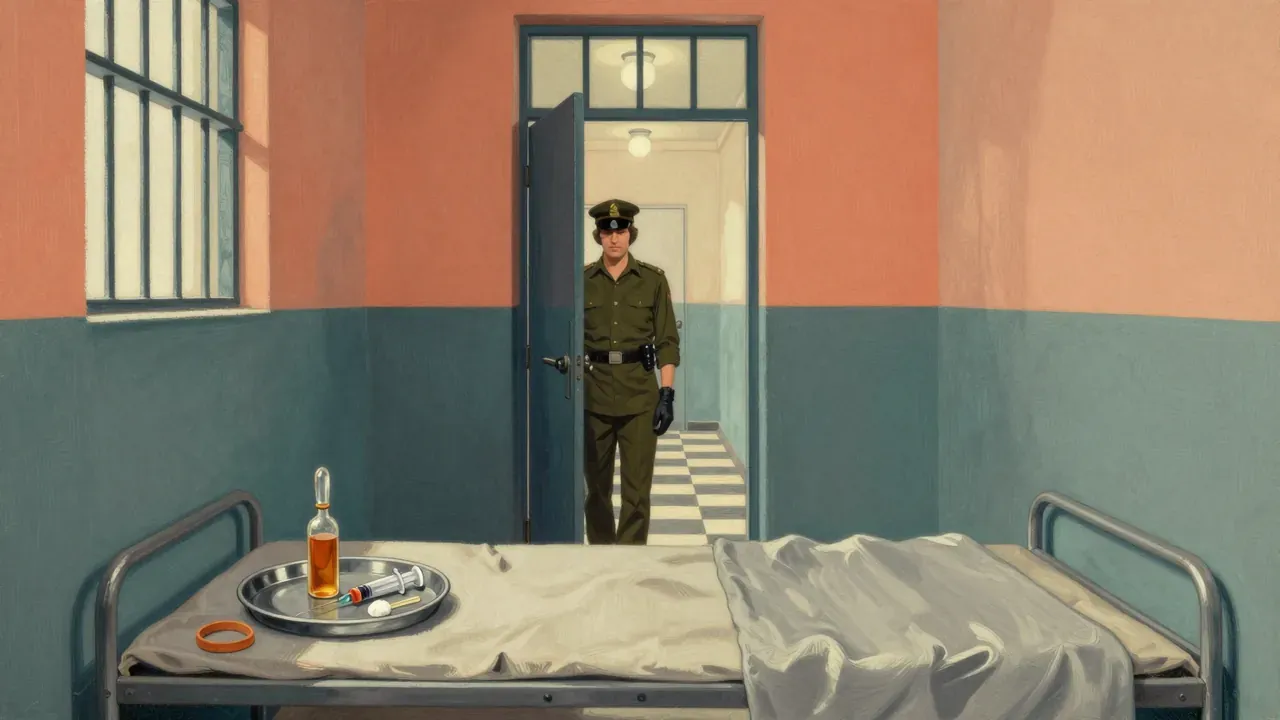
Costa-Gavras’s 1970 film The Confession adapts Artur London’s memoir of imprisonment and coerced confession during the 1952 Slánský trial in Prague. Starring Yves Montand and Simone Signoret, it traces the systematic dismantling of a loyal communist official—not through brutality, but through isolation, sleep deprivation, scripted rehearsals, and bureaucratic theatre. Shot in northern France with Raoul Coutard’s restrained cinematography and edited with deliberate duration, it avoids melodrama in favour of procedural realism. Though its final act falters in integration, and its density tests attention, it remains a rigorous, unsentimental study of how power hollows out personhood from within.

13:00

Z

Costa-Gavras · 1969

A 1969 French-Algerian political thriller directed by Costa-Gavras, Z dramatises the assassination of a left-wing Greek politician and the subsequent judicial cover-up. Built from real events and adapted from Vassilis Vassilikos’s novel, it follows a magistrate’s methodical investigation as institutional resistance mounts. Shot by Raoul Coutard and scored by Mikis Theodorakis, it won the Academy Award for Best International Feature Film and Best Film Editing. Its epilogue traces the collapse of democracy into military dictatorship — and the banning of the letter 'Z' itself.