filmbriefs
Studio · Producer

Cineriz

5
briefs
13:00
average
65 min
in total
On film.briefs5
13:00

La commare secca

Bernardo Bertolucci · 1962

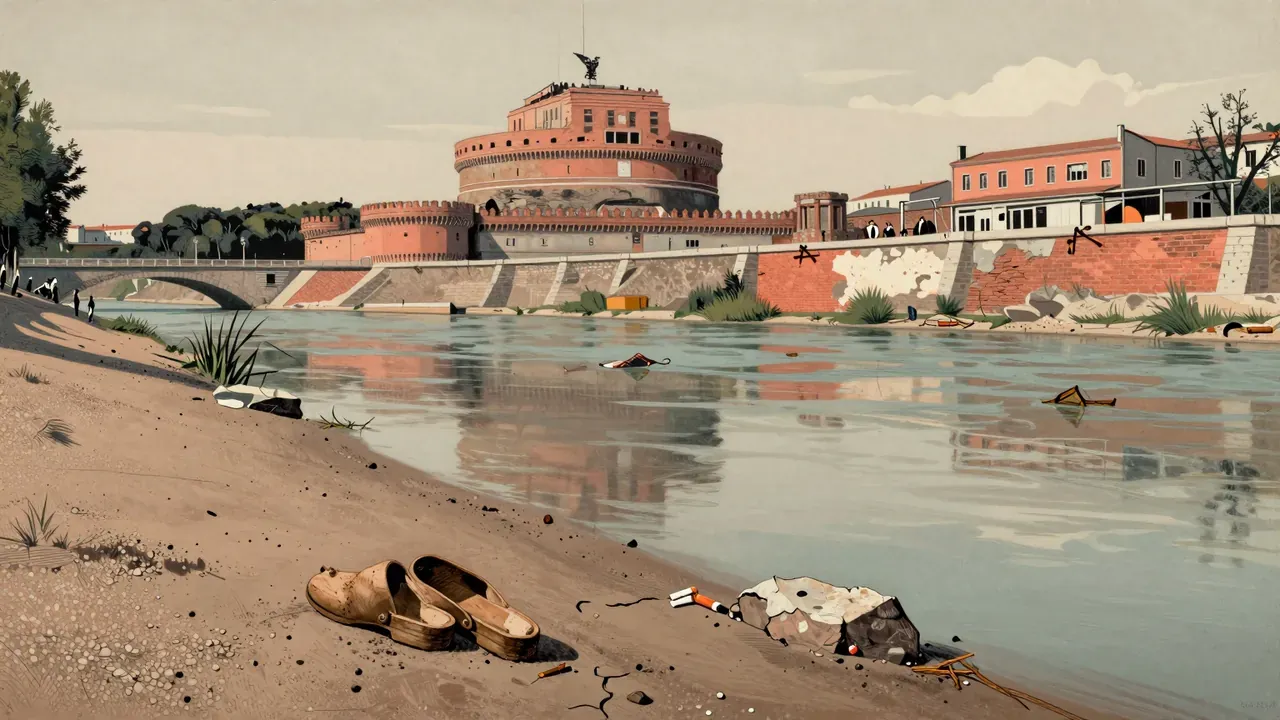
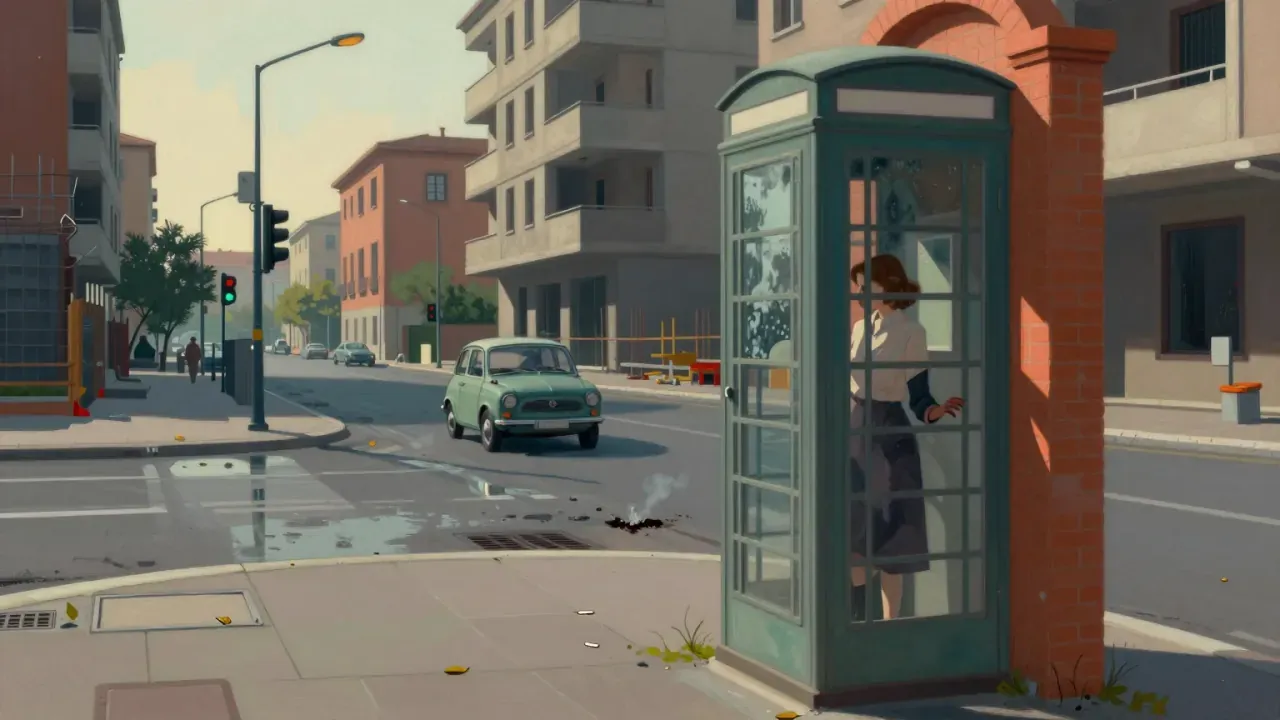
La commare secca (1962) is Bernardo Bertolucci’s first feature, a formally rigorous Italian drama based on a Pier Paolo Pasolini story. Structured around seven contradictory police testimonies concerning the murder of a Rome prostitute, it uses repetition, weather and setting—not psychology or suspense—to expose class, gender and aspiration in post-war marginality. Shot by Giovanni Narzisi, edited by Nino Baragli and scored by Piero Piccioni, it is a debut marked by discipline, austerity and social observation.
13:00

The Flowers of St. Francis

Roberto Rossellini · 1950

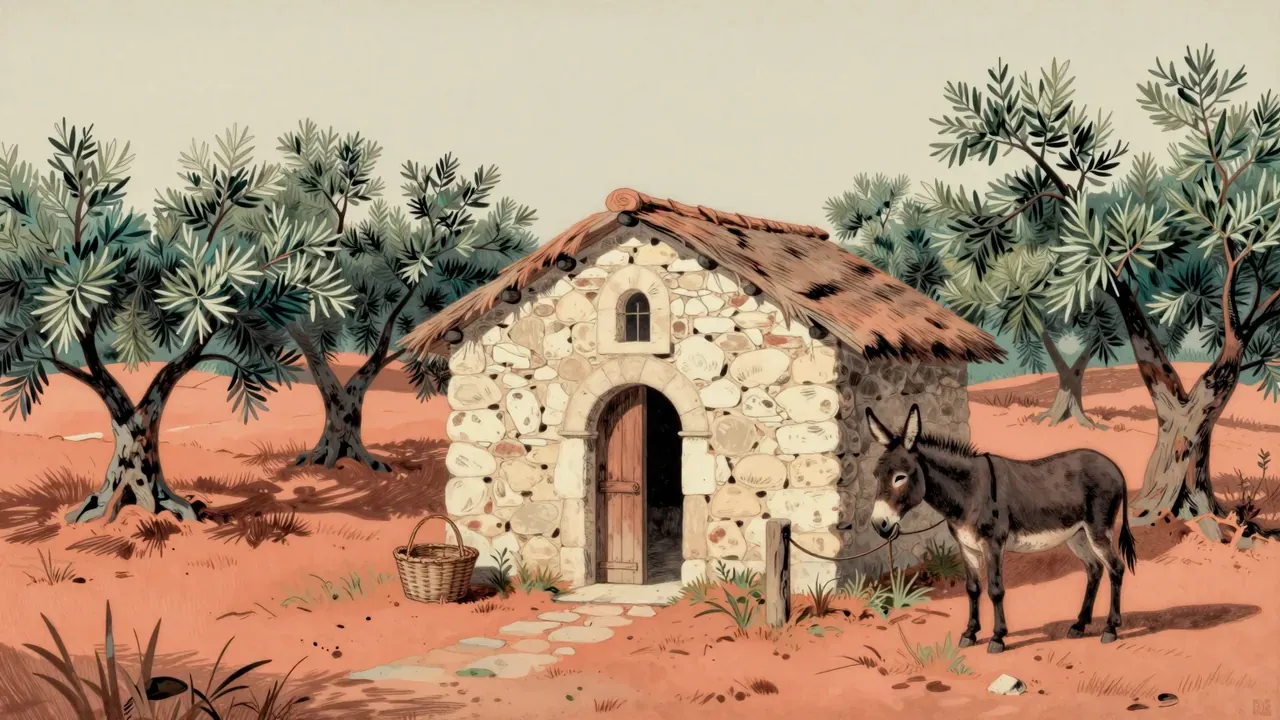
Roberto Rossellini’s 1950 film adapts nine parables from medieval Franciscan texts into a series of quiet, unadorned episodes. Shot in rural Italy with monks and one professional actor, it forgoes narrative for ritual, psychology for posture, and explanation for repetition. Its power lies in stillness, humility, and the radical simplicity of its vision.

13:00

Eclipse

Michelangelo Antonioni · 1962

Michelangelo Antonioni’s 1962 film Eclipse follows Vittoria, a young translator in Rome, as she moves through relationships, family, and the city’s modern architecture without ever anchoring herself emotionally or narratively. Shot by Gianni Di Venanzo and scored by Giovanni Fusco, it is the final part of Antonioni’s existential trilogy, notable for its radical ellipses, its unbending pace, and its famously wordless final sequence.

13:00

Last Year at Marienbad

Alain Resnais · 1961

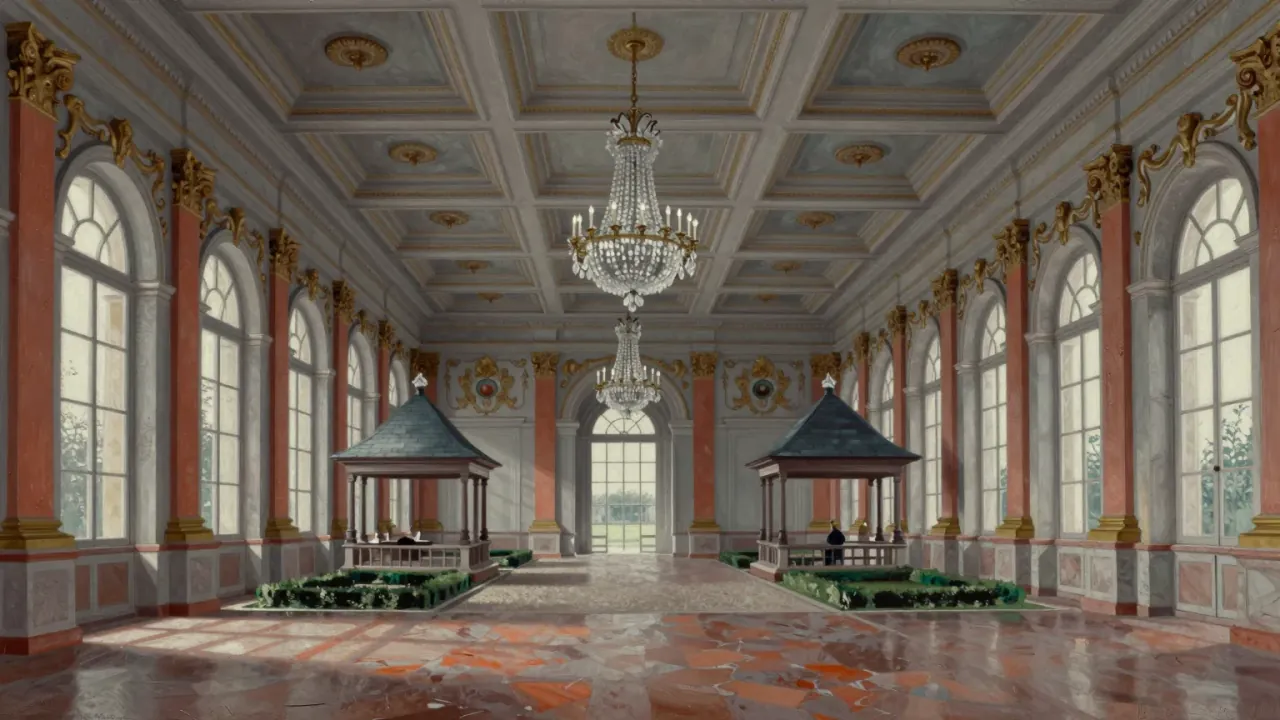
Last Year at Marienbad (1961) is a French avant-garde drama directed by Alain Resnais from a screenplay by Alain Robbe-Grillet. Set in an ornate, unnamed hotel, it follows a man’s insistent claim that he and a woman met there the previous year — a claim she denies. With no named characters, nonlinear editing, repetitive dialogue and meticulously composed black-and-white imagery, it explores memory, persuasion and the instability of time. Shot in Munich palaces using Dyaliscope widescreen, it won the Golden Lion at Venice and remains a landmark of modernist cinema.

13:00

8½

Federico Fellini · 1963

Federico Fellini's 1963 film follows Guido Anselmi, a film director retreating to a spa town while his crew waits for a script he cannot write, sliding between the demands of producers, mistresses, his wife and memories of his Catholic childhood without marking the boundary between what is happening and what he is imagining. Shot by Gianni Di Venanzo in high-contrast black and white, scored by Nino Rota, and led by Marcello Mastroianni, the film won two Oscars, for costume design and international feature, and has stood since as one of the most direct portraits of creative paralysis committed to film.