filmbriefs
Actor · 1908–1991

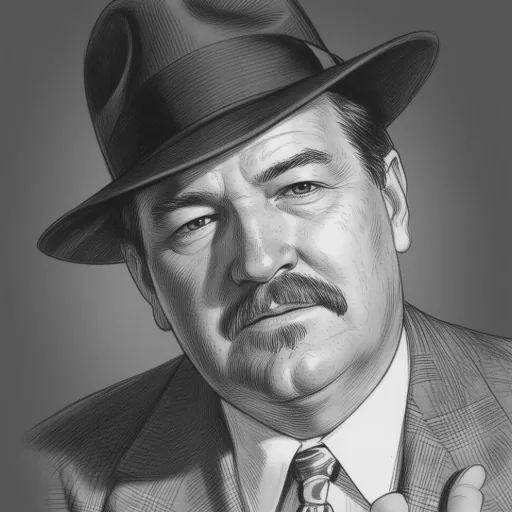
Barry Kelley

4
briefs
13:00
average
52 min
in total
On film.briefs4
13:00

Buchanan Rides Alone

Budd Boetticher, Harry Joe Brown · 1958

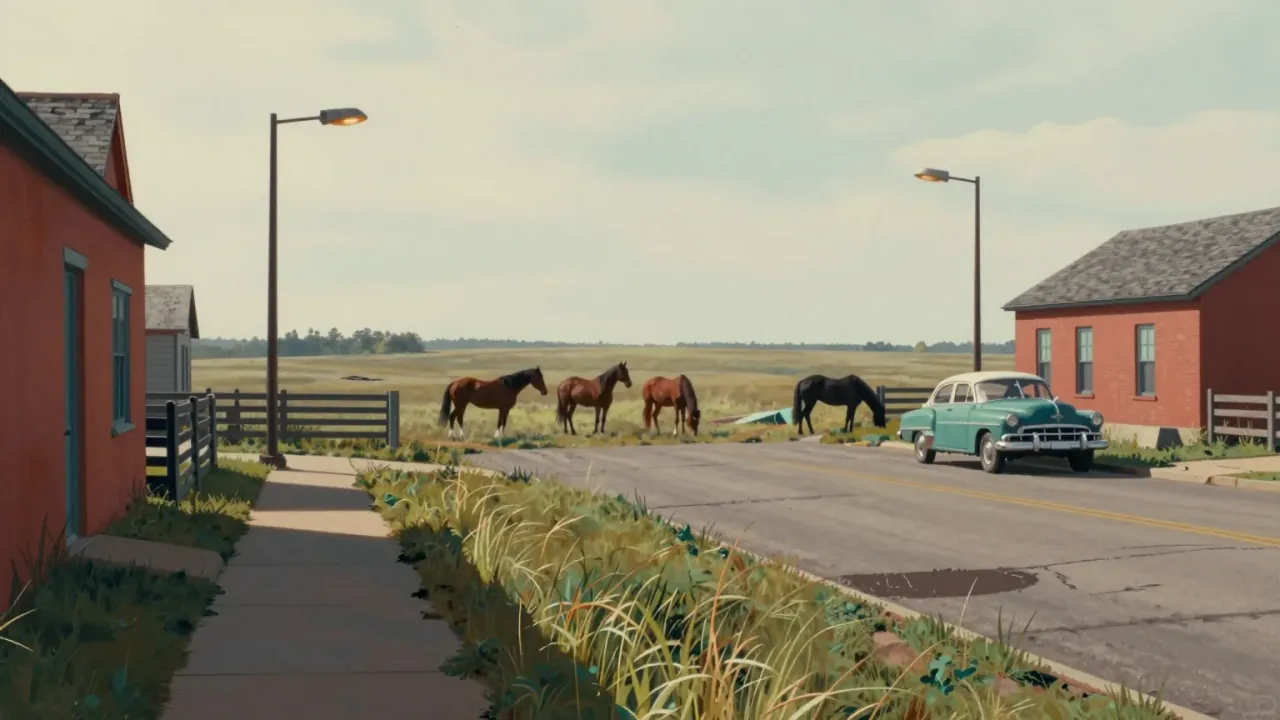
Buchanan Rides Alone (1958) is a tightly wound Western starring Randolph Scott as a lone drifter caught in a corrupt border town run by the Agry family. Directed by Budd Boetticher and Harry Joe Brown, written by Charles Lang, and shot by Lucien Ballard, it uses sparse dialogue, confined spaces, and deliberate pacing to explore jurisdiction, consent, and quiet resistance. At 78 minutes, it prioritises behavioural precision over plot escalation, anchoring its themes in posture, framing, and silence.

13:00

The Manchurian Candidate

John Frankenheimer · 1962

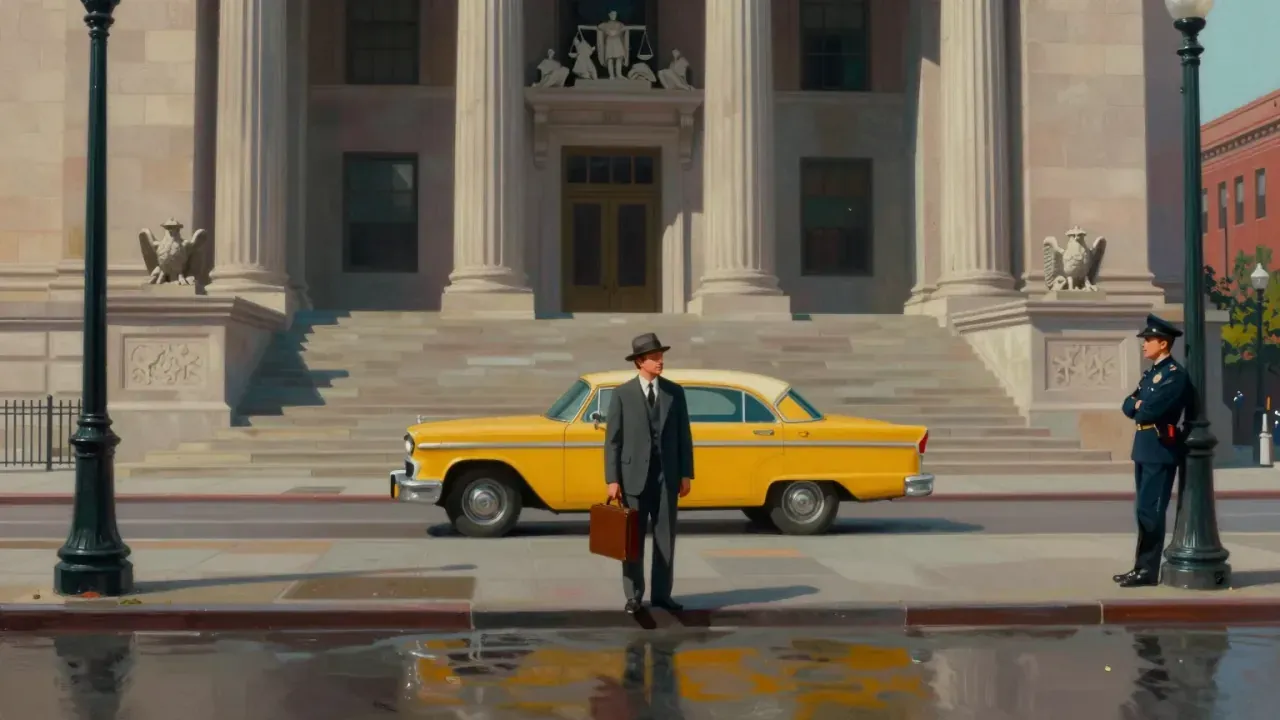
John Frankenheimer’s 1962 adaptation of Richard Condon’s novel follows Korean War veteran Raymond Shaw, a decorated hero secretly programmed as a communist assassin. Through meticulous craft — Lionel Lindon’s controlled cinematography, Ferris Webster’s taut editing, Angela Lansbury’s chilling performance — the film maps how ideology operates inside families, institutions and minds. It is less a warning about foreign threats than a demonstration of how obedience is taught, memory overwritten, and power disguised as normalcy.

13:00

Force of Evil

Abraham Polonsky · 1948

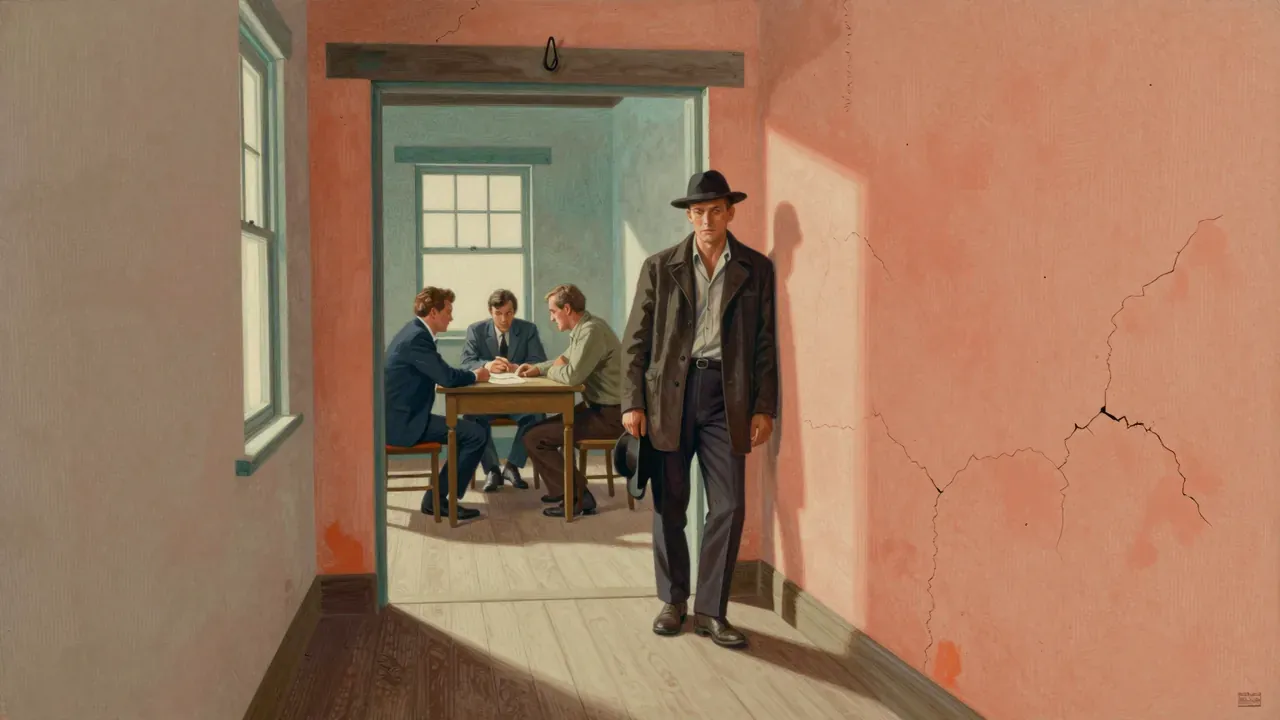
Abraham Polonsky’s 1948 Force of Evil follows lawyer Joe Morse as he helps gangster Ben Tucker rig the numbers racket in New York, only to confront the human cost when his brother Leo is drawn in. Shot by George Barnes and scored by David Raksin, it is a tightly wound, linguistically dense crime film that treats corruption as arithmetic and kinship as collateral. Preserved in the US National Film Registry, it remains a benchmark of film noir’s intellectual rigour.

13:00

The Asphalt Jungle

John Huston · 1950

John Huston’s 1950 heist film follows a meticulously planned jewel robbery and its unraveling, centred on professionals whose expertise is undone by physiology, chance and debt. Shot by Harold Rosson and scored by Miklós Rózsa, it favours procedural realism over noir stylisation, grounding its characters in economic necessity rather than moral ambiguity. Though commercially modest and initially resisted by MGM, it endures as a benchmark of structural discipline in American crime cinema.