filmbriefs
Director · Actor · 1927–2022

Sidney Poitier

4
briefs
13:00
average
52 min
in total
On film.briefs4
13:00

Buck and the Preacher

Sidney Poitier · 1972

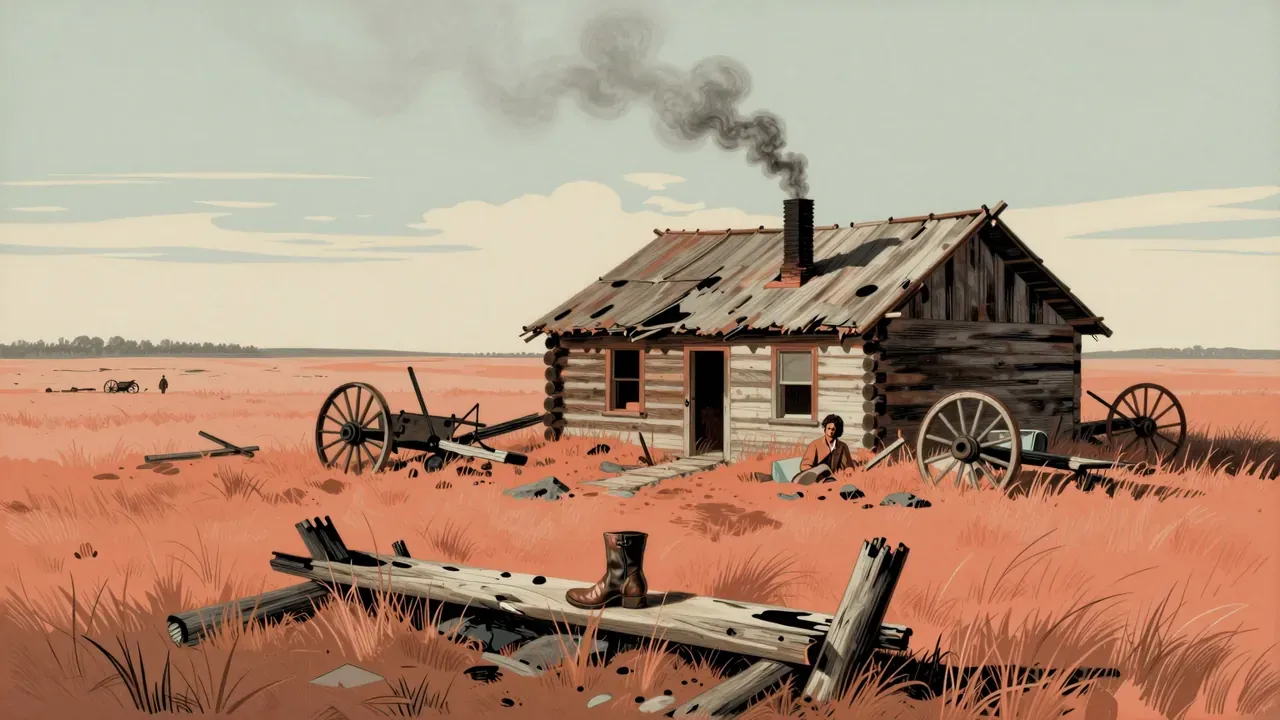
Sidney Poitier’s 1972 directorial debut Buck and the Preacher recasts the Western around the Exoduster movement: Buck (Poitier) leads freed people westward, negotiates with Native Americans for safe passage, and allies with the sharp-tongued Reverend Rutherford (Harry Belafonte) to evade white marauders. Shot in Mexico and Kenya, with cinematography by Alex Phillips Jr. and music by Benny Carter, it balances action with quiet realism — prioritising collective survival over individual legend. Though its villains lack nuance and some plot devices feel functional, its commitment to Black self-determination, material history, and genre reclamation remains potent.

13:00

In the Heat of the Night

Norman Jewison · 1967

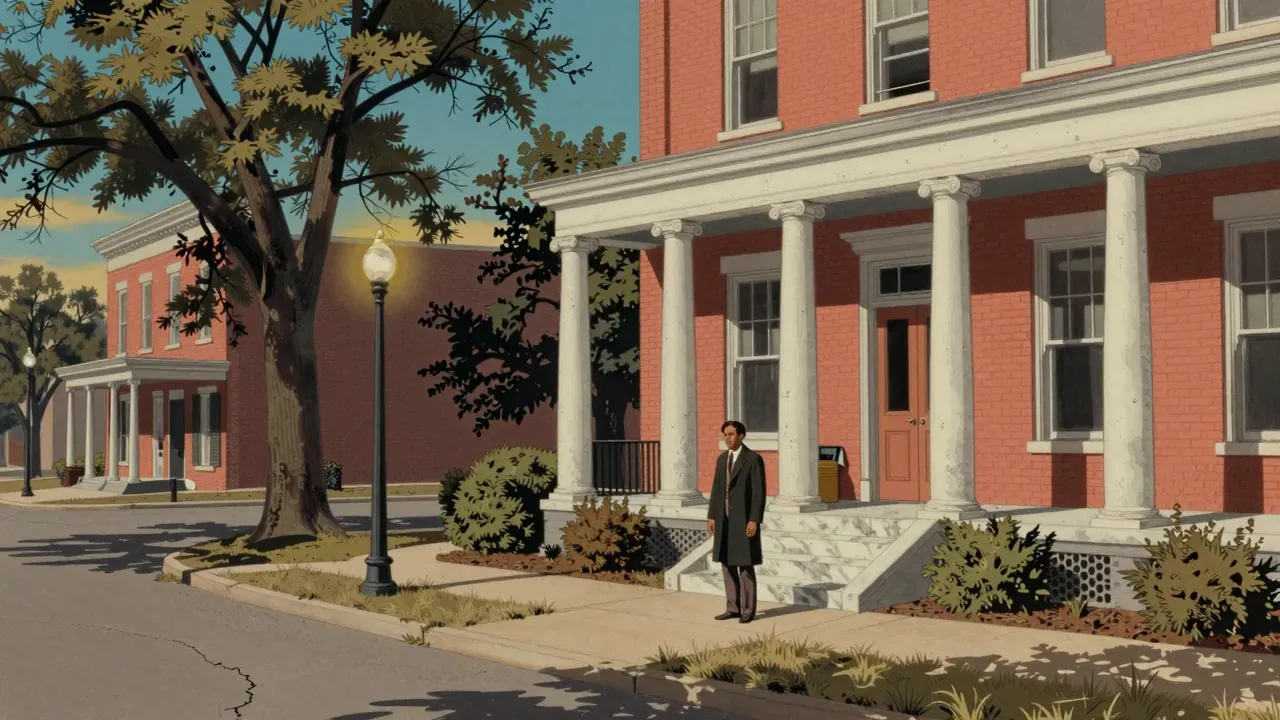
Norman Jewison’s 1967 crime drama follows Philadelphia detective Virgil Tibbs (Sidney Poitier), detained in a Mississippi town and reluctantly drawn into a murder investigation alongside racist police chief Bill Gillespie (Rod Steiger). Haskell Wexler’s lighting, Hal Ashby’s editing, and Quincy Jones’ score serve a tightly wound procedural that exposes racial hierarchy as structural, not incidental. It won five Academy Awards, including Best Picture and Best Actor.

13:00

A Raisin in the Sun

Daniel Petrie · 1961

Daniel Petrie’s 1961 film adapts Lorraine Hansberry’s landmark play about the Younger family’s struggle to claim dignity, space, and self-determination in 1950s Chicago. Anchored by Sidney Poitier and Claudia McNeil, it unfolds almost entirely within their cramped apartment, using dialogue, gesture, and quiet moral reckoning to explore race, class, generational conflict, and the meaning of home. Its power lies in specificity, restraint, and unwavering attention to how systemic forces shape daily life.

13:00

Guess Who's Coming to Dinner

Stanley Kramer · 1967

Guess Who’s Coming to Dinner is a 1967 Columbia Pictures drama directed by Stanley Kramer, written by William Rose, and starring Katharine Hepburn, Spencer Tracy (in his final role), Sidney Poitier, and Katharine Houghton. Set over one day in San Francisco, it follows a liberal white couple as they confront their daughter’s engagement to a Black doctor. Structured as a moral argument rather than a psychological portrait, the film isolates race as the sole obstacle to acceptance, using tightly controlled dialogue, restrained cinematography by Sam Leavitt, and a functional score by Frank De Vol. It won three Academy Awards, including Best Actress and Best Original Screenplay, and was added to the National Film Registry in 2017.