filmbriefs
Editor · Director · Producer · 1914–2005

Robert Wise

5
briefs
13:00
average
65 min
in total
On film.briefs5
13:00

Dance, Girl, Dance

Dorothy Arzner · 1940

Dorothy Arzner’s 1940 RKO drama follows two dancers — a ballerina and a burlesque performer — navigating patronage, poverty, and prejudice in Depression-era America. Structured around contrasting performance worlds, it foregrounds labour over glamour, material constraint over romantic fantasy, and direct address over emotional exposition. Though commercially unsuccessful on release, its formal rigour and ethical clarity have secured its place as a landmark of early feminist cinema.
13:00

The Magnificent Ambersons

Orson Welles · 1942

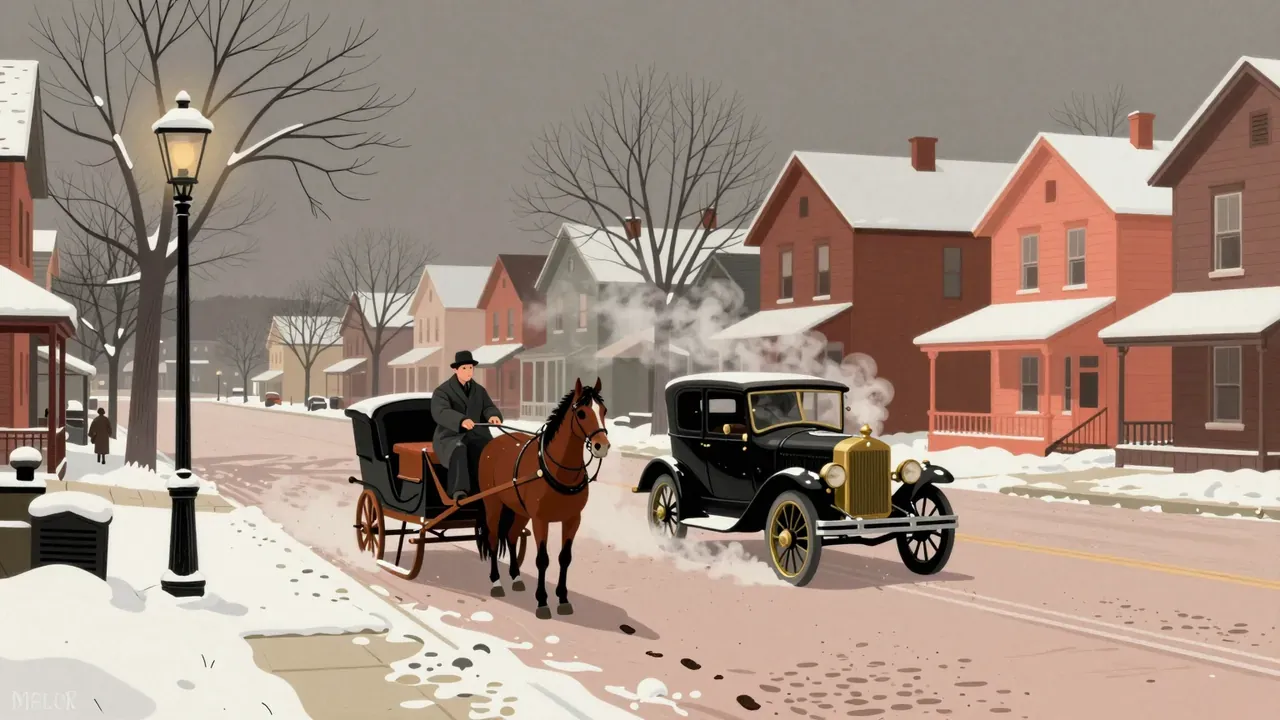
Orson Welles’s 1942 adaptation of Booth Tarkington’s novel traces the slow collapse of a wealthy Midwestern family amid industrial change. Though RKO cut over forty minutes and reshot the ending — destroying the excised footage — the surviving film remains a landmark of restrained, atmospheric storytelling, anchored by Agnes Moorehead’s performance and Stanley Cortez’s cinematography. Its power lies in what it implies, not what it states.

13:00

West Side Story

Robert Wise, Jerome Robbins · 1961

West Side Story (1961) adapts the Broadway musical into a formally rigorous film where dance, editing and colour articulate racial tension and adolescent love in 1950s New York. Directed by Robert Wise and Jerome Robbins, it stars Natalie Wood and Richard Beymer, with music by Leonard Bernstein and choreography rooted in Robbins’s stage vision. Though its dramatic interludes lack the same force as its musical sequences, its sustained formal intelligence — in cinematography, editing and staging — secures its place as a benchmark for the genre.

13:00

The Sound of Music

Robert Wise · 1965

Robert Wise’s 1965 musical adapts the Broadway hit into a 174-minute cinematic fable set in Salzburg: Julie Andrews as Maria, Christopher Plummer as Captain von Trapp, and their family’s flight from Nazi annexation. Shot on location with Ted McCord’s naturalistic cinematography and Richard Rodgers’ integrated score, it prioritises emotional continuity over psychological ambiguity. While its political simplification and runtime demand patience, its craft, sincerity, and structural confidence make it a durable artefact of mid-century humanism — not as history, but as enduring emotional syntax.

13:00

Citizen Kane

Orson Welles · 1941

Orson Welles's 1941 debut tells the life of publishing baron Charles Foster Kane through the conflicting memories of the people who knew him, filmed by Gregg Toland in deep focus that keeps whole rooms in sharp relief at once. It cost RKO under $840,000, won a single Oscar out of nine nominations, and lost money on release before critics rebuilt its reputation from the 1950s onward.