filmbriefs
Actor · Screenwriter · 1934–2024

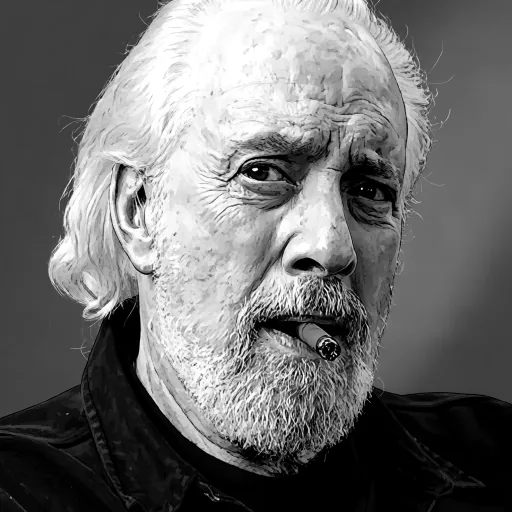
Robert Towne

7
briefs
13:00
average
91 min
in total
On film.briefs7
13:00

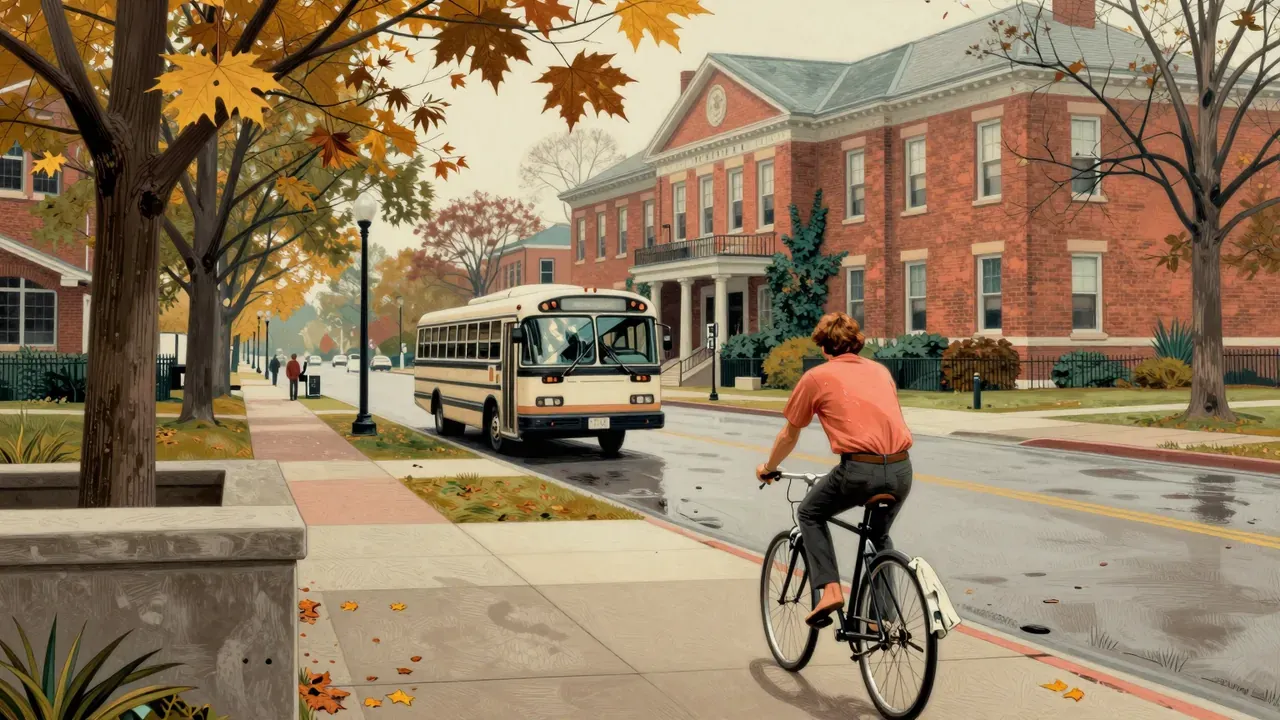
Drive, He Said

Jack Nicholson · 1971

Jack Nicholson’s 1971 directorial debut, adapted from Jeremy Larner’s novel, follows a disillusioned college basketball star navigating affairs, draft anxiety, campus unrest, and a volatile roommate. Shot on location at the University of Oregon, it features committed performances from William Tepper, Karen Black, and Bruce Dern, with cinematography by Bill Butler and a sparse score by David Shire. Though critically divided and commercially obscure, it remains a singular artefact of early-70s American countercinema—uneven, urgent, and uninterested in tidy answers.
13:00

Shampoo

Hal Ashby · 1975

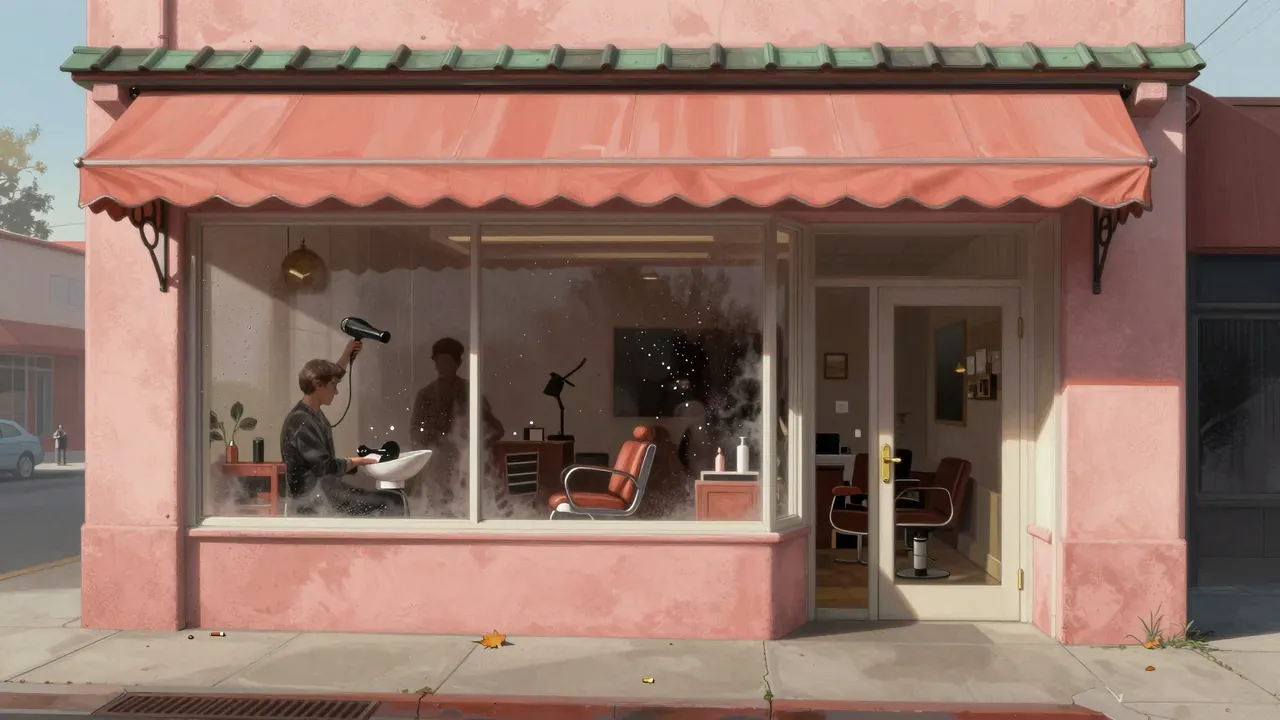
Shampoo (1975), directed by Hal Ashby and co-written by Warren Beatty and Robert Towne, follows a Beverly Hills hairdresser across Election Day 1968 as he navigates overlapping affairs, professional frustration, and the quiet hypocrisies of his social circle. Shot by László Kovács and scored with period-appropriate music by Paul Simon and others, it uses romantic comedy structure to dissect sexual politics, class, and the erosion of public attention. Though commercially successful and awarded an Oscar for Lee Grant’s supporting performance, its satire remains understated, its pacing deliberate, its conclusions ambiguous.

13:00

The Parallax View

Alan J. Pakula · 1974

The Parallax View (1974) follows journalist Joe Frady as he investigates a string of deaths linked to the assassination of a US senator — only to find himself drawn into the recruitment pipeline of the shadowy Parallax Corporation. Directed by Alan J. Pakula and shot by Gordon Willis, it is a tightly wound, visually austere thriller whose power lies in its procedural rigour and refusal to grant its protagonist redemption or revelation.

13:00

The Rock

Michael Bay · 1996

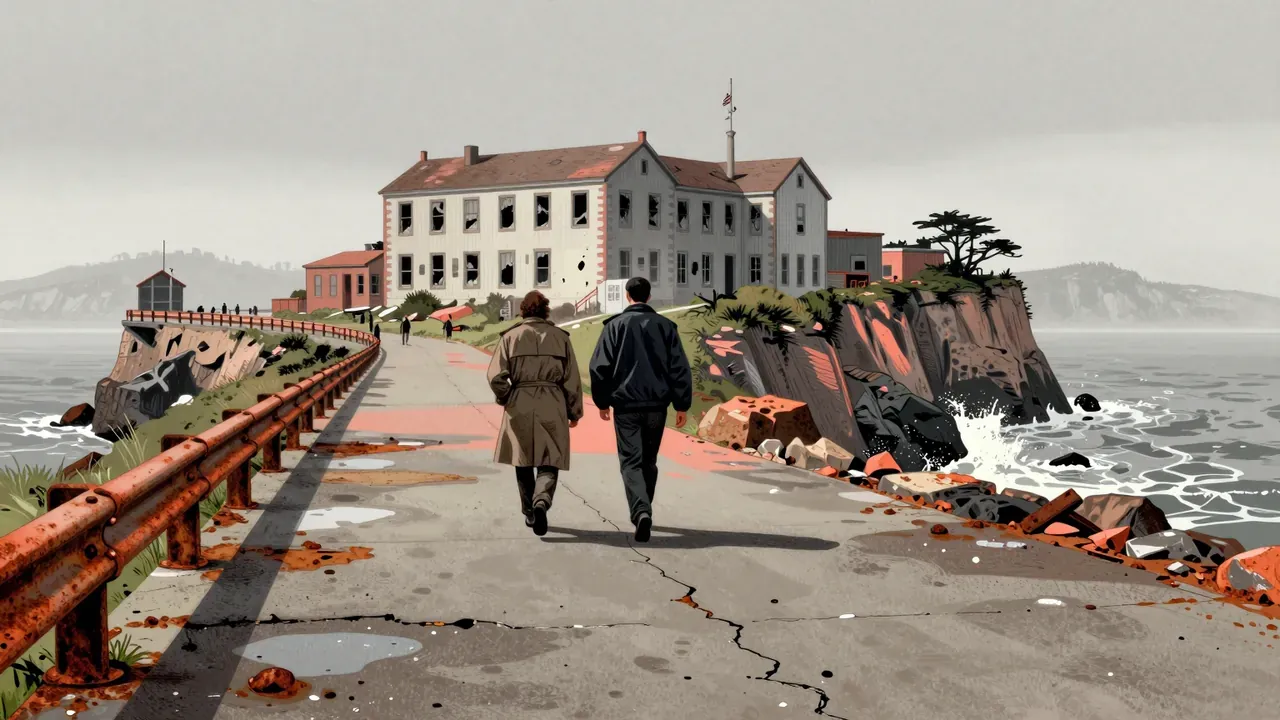
The Rock is a 1996 action thriller directed by Michael Bay, set on Alcatraz Island, where a rogue Marine general threatens San Francisco with VX gas. An FBI chemist and a retired SAS operative must infiltrate the prison to disarm the rockets. Anchored by Sean Connery and Nicolas Cage, it prioritises spatial logic, procedural detail and moral calibration over political complexity or stylistic experimentation.

13:00

Crimson Tide

Tony Scott · 1995

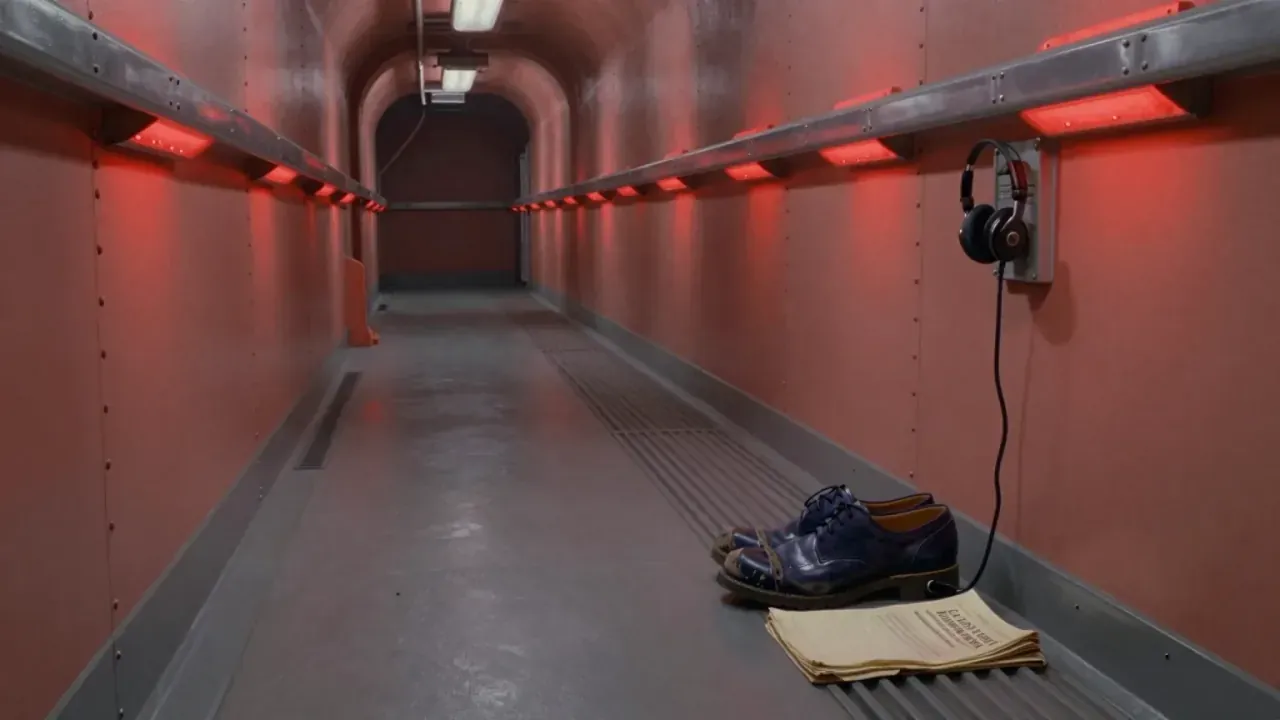
Crimson Tide is a 1995 action thriller directed by Tony Scott, starring Gene Hackman and Denzel Washington as rival officers aboard a U.S. nuclear submarine facing an ambiguous order to launch missiles. Set during a fictional Russian crisis, the film focuses on the ethical and procedural collision between experience and doctrine, played out in real time within the claustrophobic confines of the USS Alabama. With tight direction, restrained performances, and a score that pulses like a failing reactor, it sustains tension through dialogue, silence, and system failure — not spectacle.

13:00

Days of Thunder

Tony Scott · 1990

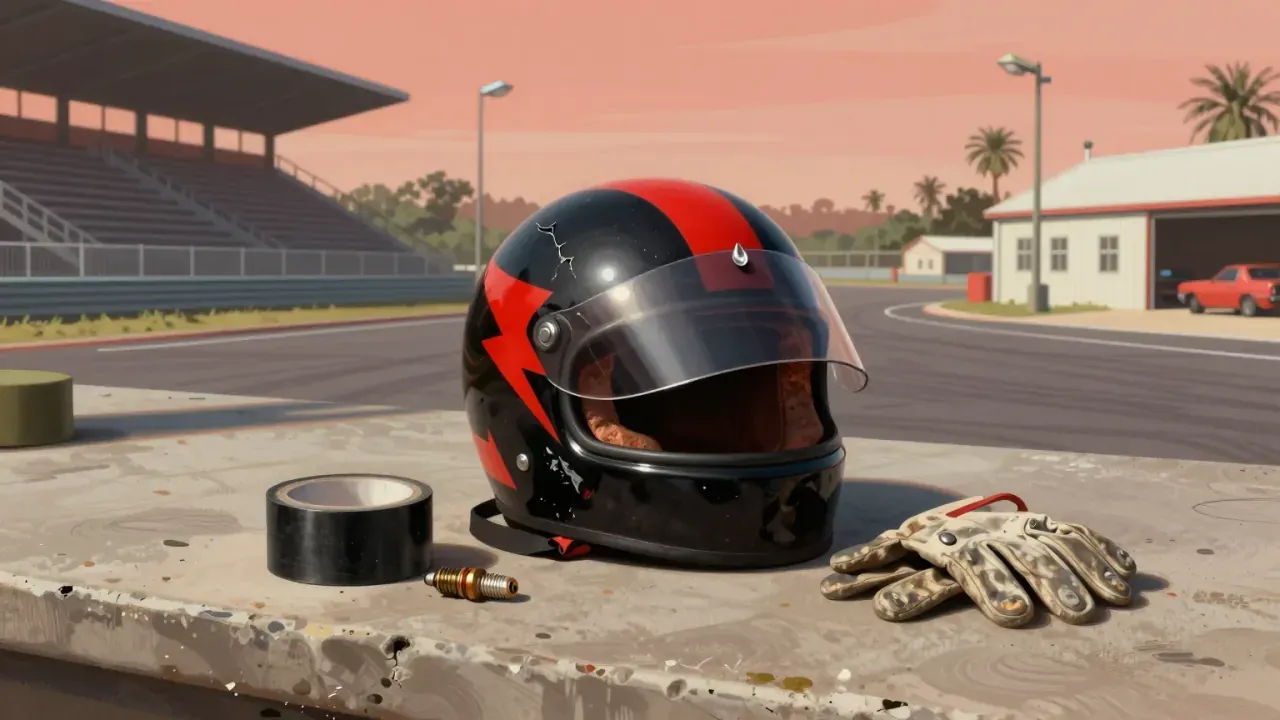
Tony Scott’s 1990 NASCAR romance stars Tom Cruise as a sprint-car prodigy thrust into Winston Cup racing, mentored by Robert Duvall and drawn into rivalry and romance. Shot on location with real drivers and cars, its strengths lie in visceral racing sequences, Hans Zimmer’s propulsive score, and Duvall’s grounded authority. Its weaknesses include underdeveloped relationships, thin thematic scaffolding, and a script that favours momentum over meaning. It remains a coherent, craft-led studio artefact — best appreciated as sensory experience rather than narrative inquiry.

13:00

Chinatown

Roman Polanski · 1974

Chinatown sends Jack Nicholson's private investigator into a municipal water scandal modelled on the early-twentieth-century disputes that built Los Angeles, opposite Faye Dunaway and John Huston. Robert Towne's script won the film's only Oscar from eleven nominations, but the ending that gives the film its reputation was Polanski's, forced through over the writer's objections, and it is worth knowing which parts of the film are whose before deciding what the story is actually arguing.