filmbriefs
Actor · 1909–1986

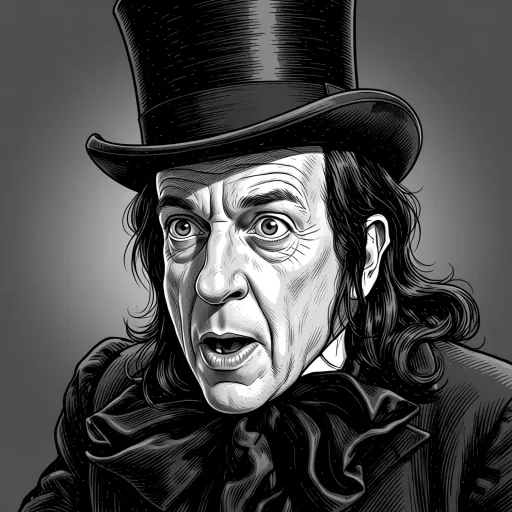
Robert Helpmann

3
briefs
13:00
average
39 min
in total
On film.briefs3
13:00

Henry V

Laurence Olivier · 1944

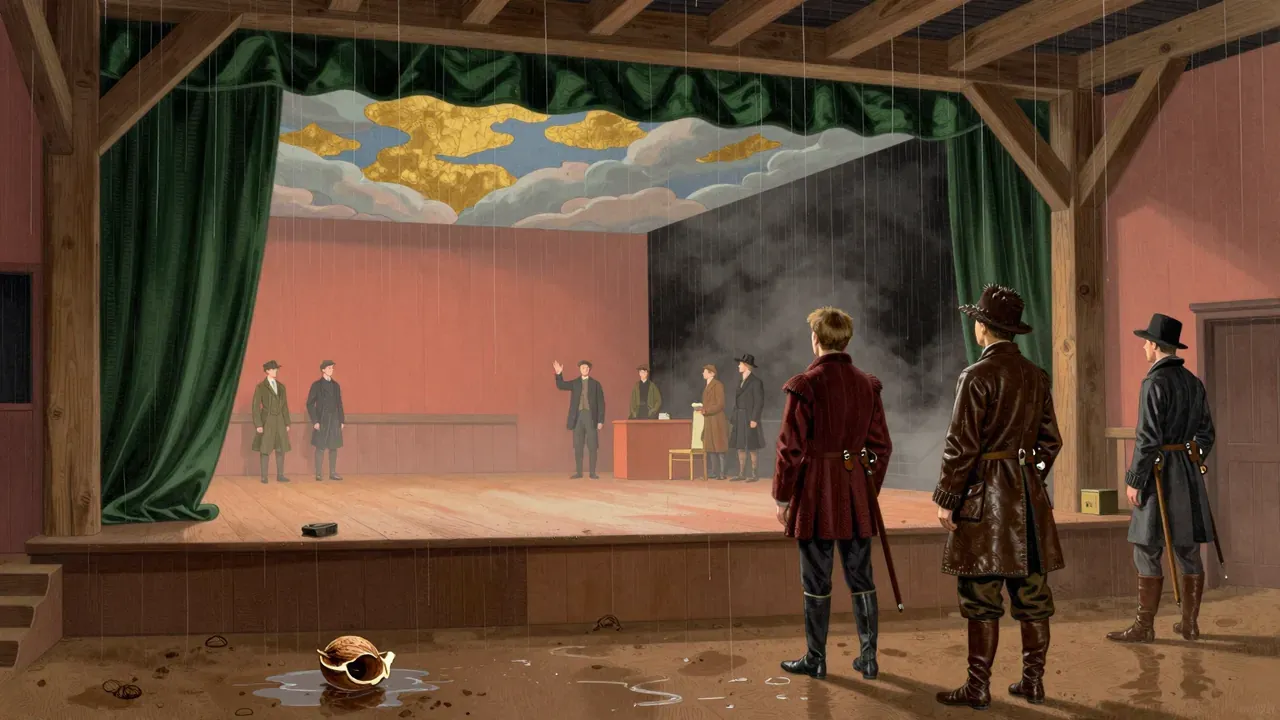
Laurence Olivier’s 1944 Henry V is a British government-backed film designed to bolster morale during the Second World War. Shot in Technicolor on location in Ireland and at Denham Studios, it blends miniature models, medieval manuscript aesthetics, and naturalistic battle scenes to recast Shakespeare’s play as a unifying national myth. Olivier stars, directs, and co-writes, omitting Henry’s harsher actions to foreground leadership, language, and legacy. Its craft — in cinematography, costume, editing and Walton’s score — is exacting and intentional. Though simplified in ethics, it remains a landmark of cinematic adaptation and wartime culture.
13:00

The Red Shoes

Emeric Pressburger, Michael Powell · 1948

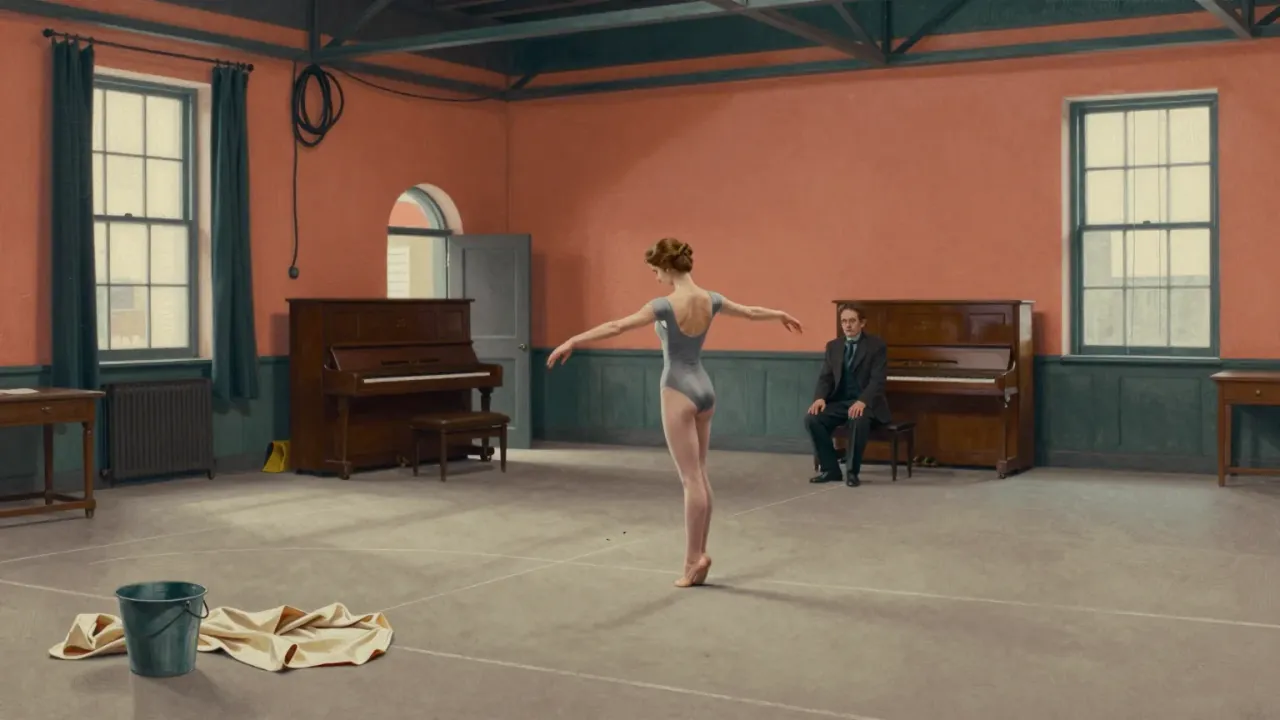
The Red Shoes (1948) is a British dance drama directed by Powell and Pressburger, following ballerina Victoria Page as she joins a prestigious company, falls in love with a composer, and faces an ultimatum from her domineering director. Built around a fifteen-minute ballet adaptation of the Hans Christian Andersen fairy tale, the film uses saturated Technicolor, disciplined choreography, and a tightly wound narrative to explore the cost of artistic commitment. Moira Shearer stars in her film debut, supported by Anton Walbrook and Marius Goring. Shot largely in Paris and at Pinewood Studios, it won two Academy Awards and remains a landmark of cinematic integration of dance and drama.

13:00

The Tales of Hoffmann

Michael Powell, Emeric Pressburger · 1951

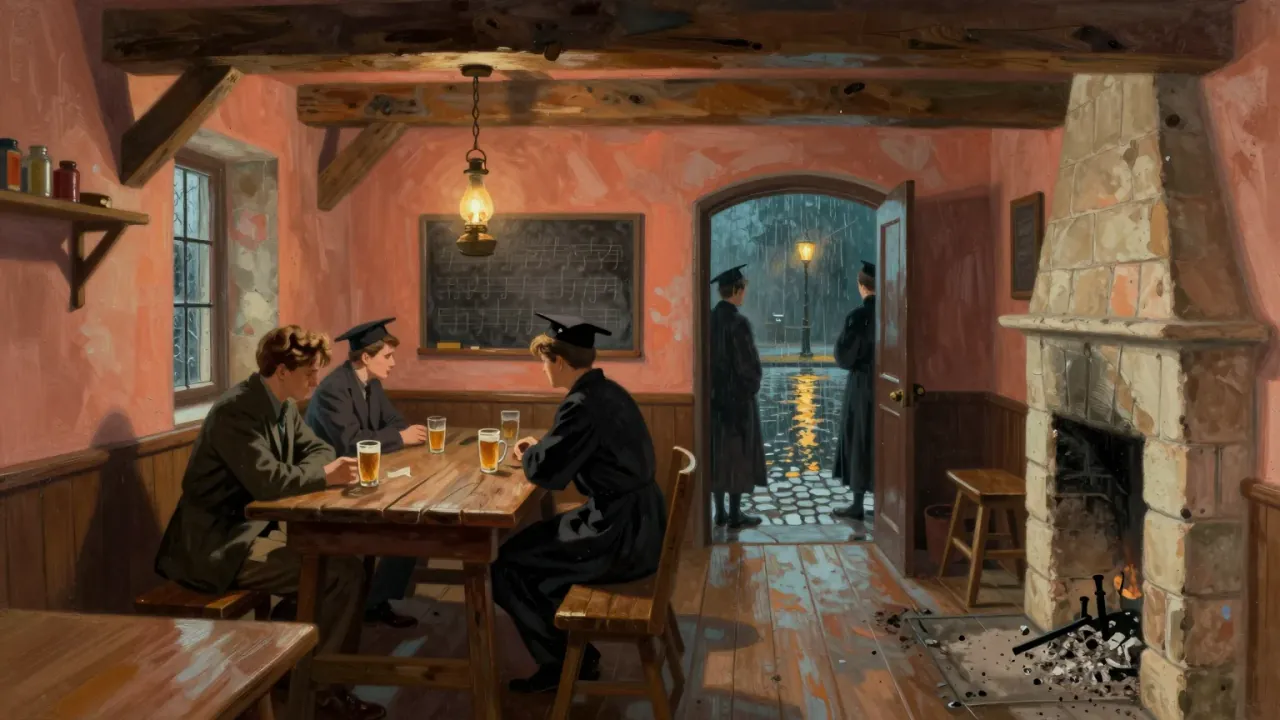
Michael Powell and Emeric Pressburger’s 1951 Technicolor opera film transcribes Offenbach’s score into pure cinematic language—no dialogue, only sung text, stylised movement, symbolic colour and deliberately artificial sets. Framed by Hoffmann’s drunken recollection, three tales (Olympia, Giulietta, Antonia) unfold as tonal variations on obsession, each governed by a dominant hue and choreographed to Sir Thomas Beecham’s conducting. It is less a story about love than a demonstration of how film can function like music: through repetition, contrast, texture and timing.