filmbriefs
Actor · 1908–1986

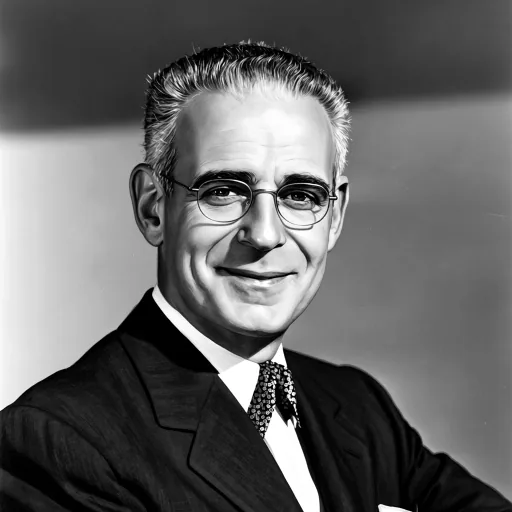
Paul Stewart

5
briefs
13:00
average
65 min
in total
On film.briefs5
13:00

F for Fake

Orson Welles · 1973

Orson Welles’s 1973 essay-film F for Fake uses the lives of art forger Elmyr de Hory and hoax biographer Clifford Irving to dissect authorship, authenticity, and the cinematic construction of truth. Shot across France, Spain, Italy, and the US, it layers re-enactments, spliced interviews, and fabricated footage — including a wholly invented War of the Worlds scene — to demonstrate how belief is engineered through editing, voice, and framing. With François Reichenbach as cinematographer and Michel Legrand scoring its sly, jazz-inflected passages, the film refuses documentary convention in favour of procedural argument. Its themes — self-deception, the economics of attribution, and the gendered politics of credibility — remain urgent. Though demanding, its 89-minute run is tightly controlled, its provocations precise.
13:00

In Cold Blood

Richard Brooks · 1967

Richard Brooks’ 1967 adaptation of Truman Capote’s nonfiction novel reconstructs the 1959 Clutter family murders with stark, black-and-white realism. Shot on location in Holcomb, Kansas—including inside the actual Clutter home—and starring relative unknowns Robert Blake and Scott Wilson, the film avoids psychological exposition in favour of procedural detail, ambient sound, and deliberate pacing. Conrad Hall’s cinematography and Quincy Jones’s bass-heavy score reinforce its documentary austerity. Though critically lauded and preserved in the National Film Registry, its fictional reporter subplot and omission of two surviving Clutter daughters introduce subtle fractures in its otherwise unwavering formal control.

13:00

Opening Night

John Cassavetes · 1977

John Cassavetes’ 1977 film follows actress Myrtle Gordon through a week of mounting disintegration before her Broadway premiere. Shot on location in California, it stars Gena Rowlands in a performance of extraordinary physical and psychological fidelity. With no exposition, no score to guide feeling, and no narrative resolution, it treats performance, grief, and ageing as overlapping states of being — not problems to solve, but conditions to inhabit.

13:00

Kiss Me Deadly

Robert Aldrich · 1955

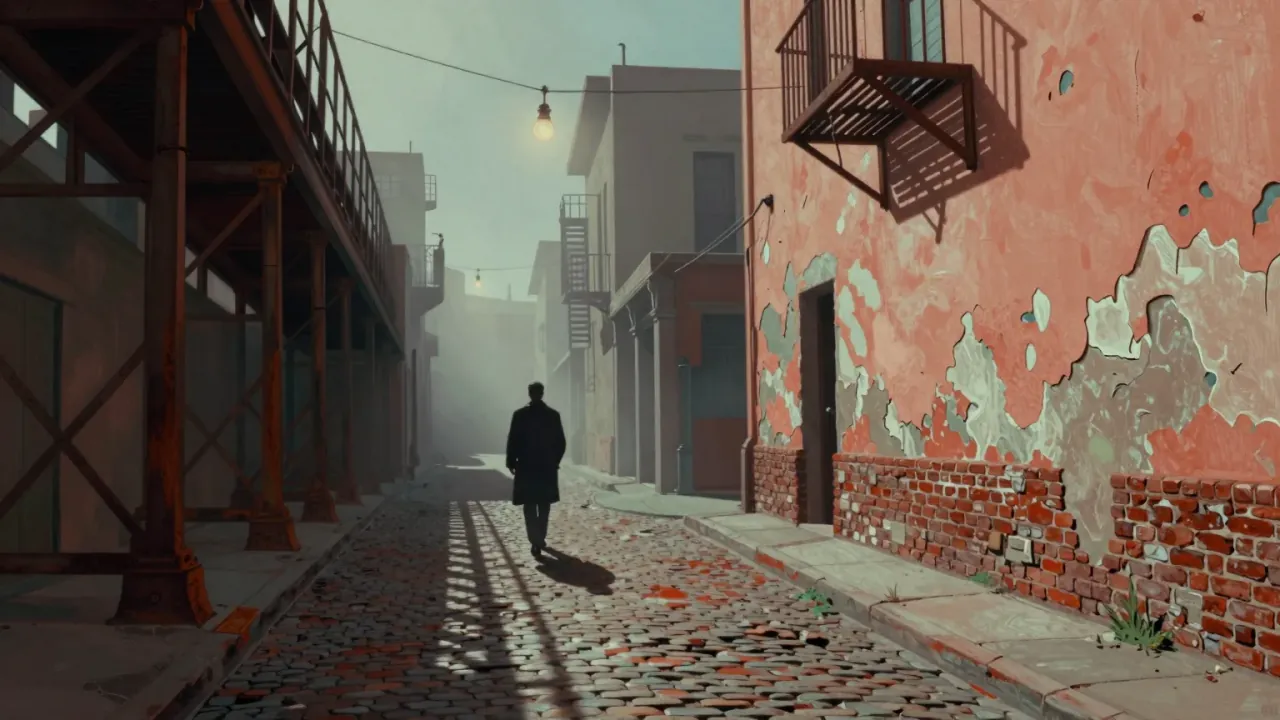
Robert Aldrich’s 1955 Kiss Me Deadly recasts Mickey Spillane’s Mike Hammer as a morally adrift private investigator drawn into a conspiracy centred on a mysterious, glowing suitcase. Shot on location in a decaying Los Angeles, with stark cinematography by Ernest Laszlo and a percussive score by Frank De Vol, the film rejects noir conventions of resolution and moral clarity. Its power lies in accumulation — of dread, ambiguity, and physical consequence — culminating in an ending that offers no salvation, only exposure.

13:00

Citizen Kane

Orson Welles · 1941

Orson Welles's 1941 debut tells the life of publishing baron Charles Foster Kane through the conflicting memories of the people who knew him, filmed by Gregg Toland in deep focus that keeps whole rooms in sharp relief at once. It cost RKO under $840,000, won a single Oscar out of nine nominations, and lost money on release before critics rebuilt its reputation from the 1950s onward.