Saved
Director · Producer · Editor · Actor · 1932–2021

Monte Hellman

4
briefs
13:00
average
52 min
in total
On film.briefs4
13:00

Ride in the Whirlwind

Monte Hellman · 1966

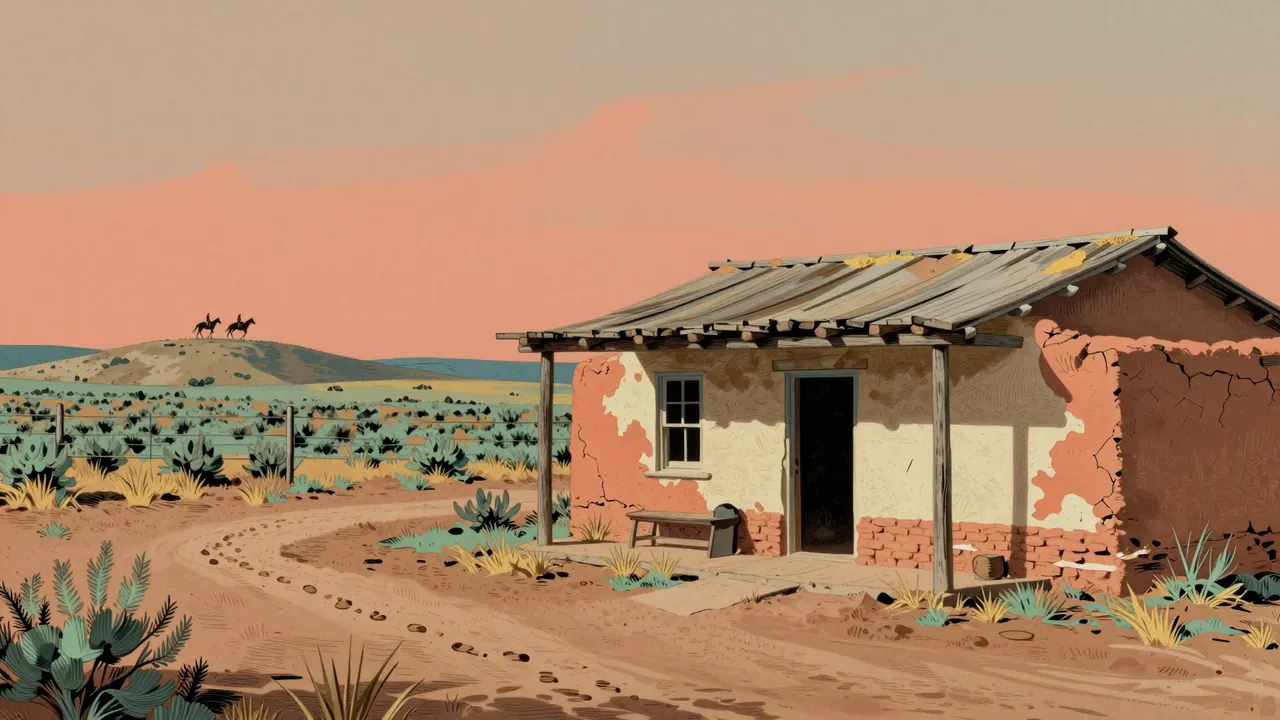
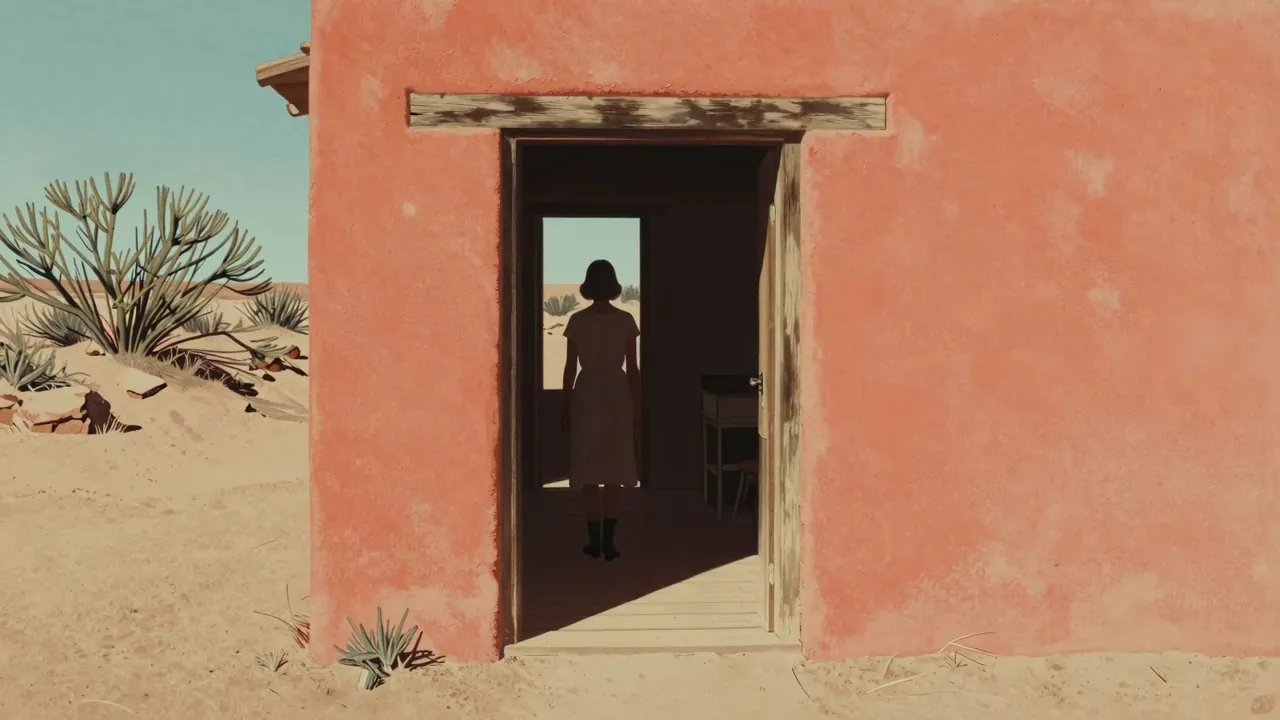
Made back-to-back with The Shooting in the Utah desert for under $75,000, Ride in the Whirlwind is Monte Hellman’s austere 1966 western, written and co-produced by Jack Nicholson. Two cowboys become fugitives after a case of mistaken identity, hunted by a vigilante posse across barren terrain. With minimal dialogue, sparse scoring and deliberate pacing, it strips the genre to its procedural bones — asking not who is guilty, but how guilt is assigned, enforced and endured.
13:00

Room 666

Wim Wenders · 1982

Room 666 is a 1982 documentary by Wim Wenders, filmed in a single hotel room during the Cannes Film Festival. Fourteen directors — including Godard, Fassbinder, Spielberg, and Antonioni — each answer the same question about cinema’s future, recorded in uninterrupted takes. Shot by Agnès Godard on 16 mm, with music by Bernard Herrmann, the film offers no commentary, only testimony.

13:00

The Shooting

Monte Hellman · 1966

Monte Hellman’s 1966 low-budget Western The Shooting follows two men and a mysterious woman across the Utah desert, trailed by a black-clad gunman. With no exposition, minimal music, and cinematography shot entirely in available light, it sustains a mood of unresolved tension. Written by Carole Eastman (as Adrien Joyce), it stars Warren Oates, Millie Perkins, Will Hutchins, and Jack Nicholson, and was produced by Hellman and Nicholson for $75,000. Though initially ignored by US distributors, it found arthouse success in Paris and remains a touchstone of minimalist, existential Western filmmaking.

13:00

Two-Lane Blacktop

Monte Hellman · 1971

Monte Hellman’s 1971 road film follows unnamed racers — Driver, Mechanic, Girl and GTO — across the American Southwest in a stripped-down, near-silent contest with no clear stakes and no resolution. Shot on location over eight weeks, edited by Hellman and photographed by John Bailey, it treats motion, machinery and landscape as primary subjects, not backdrops. Its rigour is formal and philosophical: no backstory, no score, no names, no climax. Over time, it has been reassessed not as a commercial misfire but as a defining work of New Hollywood minimalism.