filmbriefs
Actor · 1907–2003

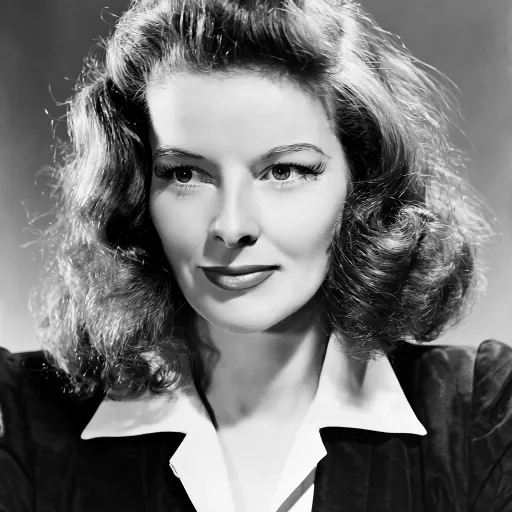
Katharine Hepburn

7
briefs
13:00
average
91 min
in total
On film.briefs7
13:00

Bringing Up Baby

Howard Hawks · 1938

Bringing Up Baby (1938), directed by Howard Hawks, pairs Katharine Hepburn and Cary Grant in a relentless romantic comedy about a paleontologist undone by a scatterbrained heiress and her leopard. Written by Dudley Nichols and Hagar Wilde, it trades emotional exposition for escalating absurdity, using precise performance, tight editing and rhythmic dialogue to sustain a world where logic collapses on cue. Though commercially modest on release, it is now regarded as a pinnacle of screwball form.


13:00

Holiday

George Cukor · 1938

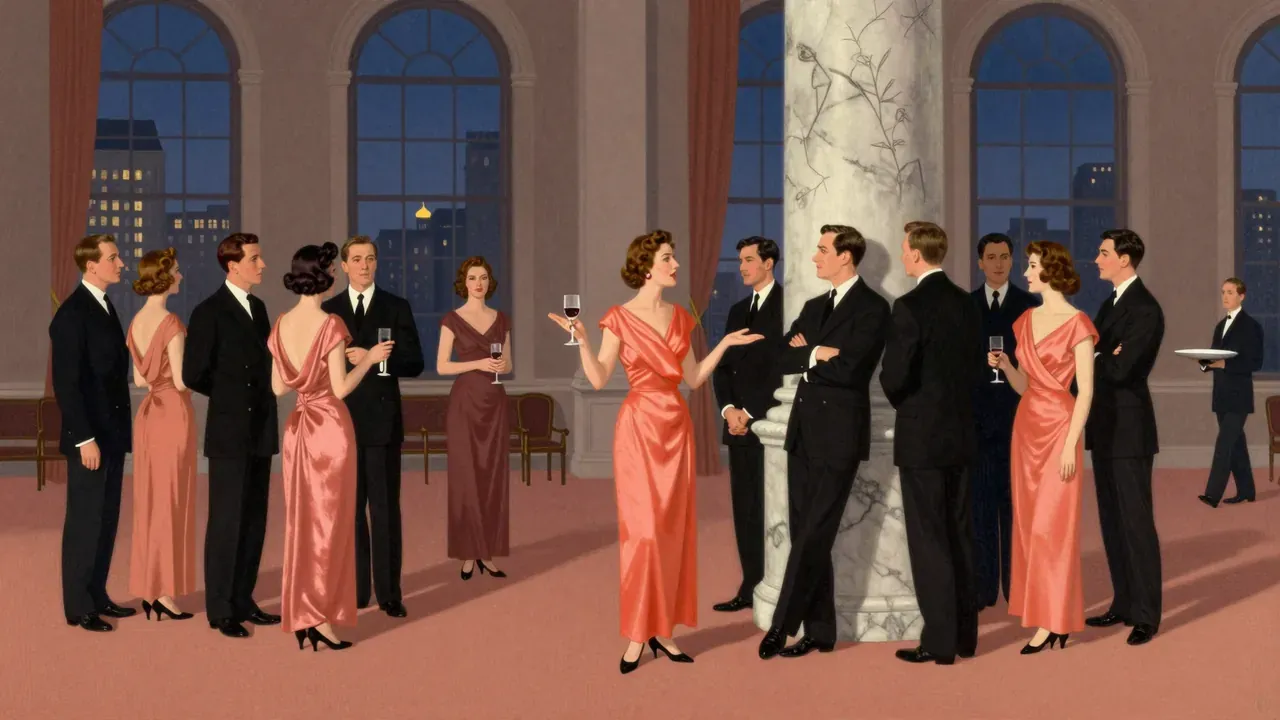
George Cukor’s 1938 Holiday adapts Philip Barry’s play into a precise, unhurried romantic comedy about Johnny Case, a self-made banker who plans to retire at thirty, and Linda Seton, the restless daughter of a banking dynasty. Set in a gilded Park Avenue mansion, it tests whether personal integrity can survive assimilation into inherited privilege. Katharine Hepburn and Cary Grant anchor a literate, understated performance style; Franz Planer’s cinematography and Otto Meyer’s editing sustain quiet rhythm over speed. Though rooted in the stage, it resists theatrical artifice, trusting dialogue and gesture over exposition. Nominated for Best Art Direction, it holds a 100% Tomatometer score but was not a box-office success — a film that rewards attention, not immersion.

13:00

The Philadelphia Story

George Cukor · 1940

George Cukor’s 1940 romantic comedy adapts Philip Barry’s play with surgical fidelity, following Katharine Hepburn’s Tracy Lord as she navigates remarriage, journalism, and self-reckoning within Philadelphia high society. Written by Donald Ogden Stewart, shot by Joseph Ruttenberg, and performed with precise wit by Hepburn, Cary Grant, and James Stewart, it exemplifies the ‘comedy of remarriage’ genre — elegant, verbally dense, and emotionally contained. Though insulated from broader social forces, its focus on performance, privilege, and self-knowledge remains quietly radical in its restraint.

13:00

Woman of the Year

George Stevens · 1942

Woman of the Year (1942), directed by George Stevens, pairs Spencer Tracy and Katharine Hepburn for the first time in a romantic comedy about a globe-trotting political columnist and a down-to-earth sportswriter whose marriage strains under mismatched expectations. Written by Ring Lardner Jr. and Michael Kanin, with uncredited revisions by John Lee Mahin, the film balances sparkling dialogue and precise performances against a structurally compromised ending. It won the Academy Award for Best Original Screenplay and was added to the National Film Registry in 1999.

13:00

Guess Who's Coming to Dinner

Stanley Kramer · 1967

Guess Who’s Coming to Dinner is a 1967 Columbia Pictures drama directed by Stanley Kramer, written by William Rose, and starring Katharine Hepburn, Spencer Tracy (in his final role), Sidney Poitier, and Katharine Houghton. Set over one day in San Francisco, it follows a liberal white couple as they confront their daughter’s engagement to a Black doctor. Structured as a moral argument rather than a psychological portrait, the film isolates race as the sole obstacle to acceptance, using tightly controlled dialogue, restrained cinematography by Sam Leavitt, and a functional score by Frank De Vol. It won three Academy Awards, including Best Actress and Best Original Screenplay, and was added to the National Film Registry in 2017.

13:00

Summertime

David Lean · 1955

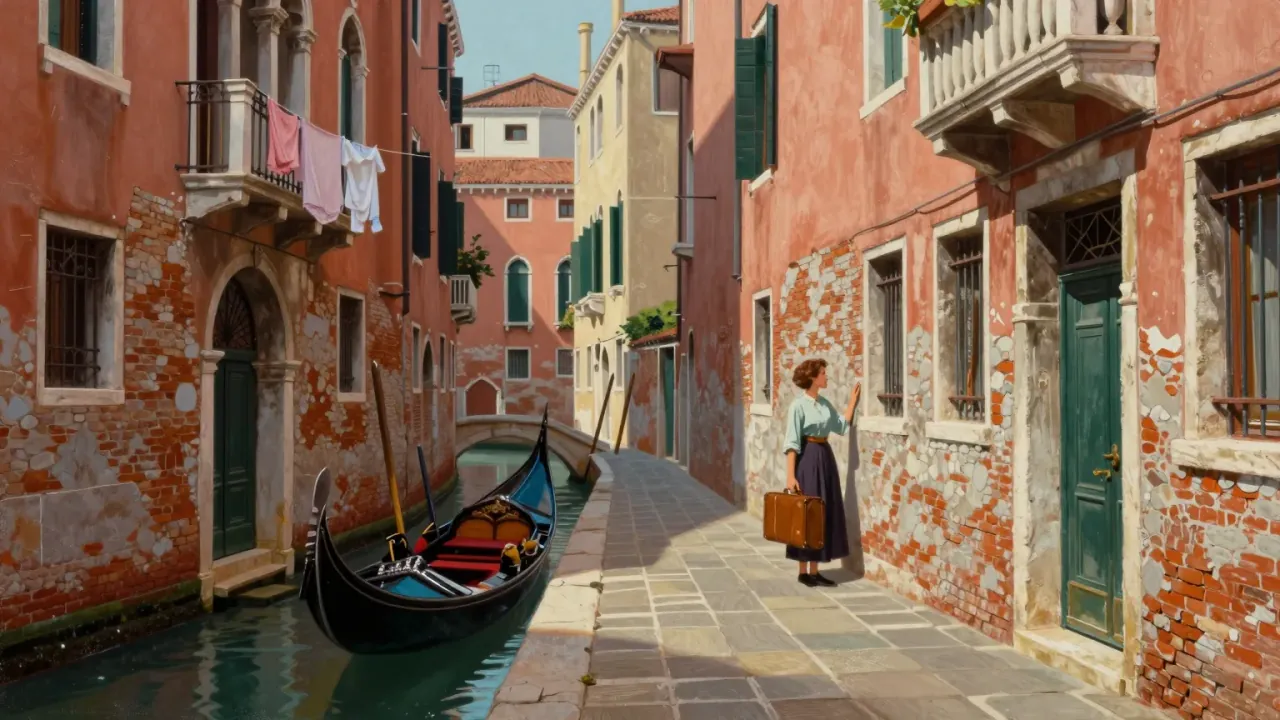
David Lean’s 1955 Summertime follows Katharine Hepburn as Jane Hudson, a lonely American secretary on her first solo trip to Venice, where she forms a tender, complicated bond with an Italian antiques dealer. Shot on location in Eastmancolor, the film leans on Hepburn’s understated performance, Jack Hildyard’s observant cinematography, and a script that prizes psychological realism over plot mechanics. Though constrained by 1950s censorship and occasional theatrical residue, it remains a quietly devastating study of longing, ageing, and the asymmetries of desire.

13:00

The African Queen

John Huston · 1951

John Huston’s 1951 drama follows a Methodist missionary and a Canadian boat mechanic who convert a small steamboat into a torpedo vessel to attack a German gunboat in East Africa during the First World War. Shot partly on location in Uganda and the Belgian Congo, it stars Humphrey Bogart (who won Best Actor) and Katharine Hepburn. Its strength lies in restrained performances, Jack Cardiff’s unsentimental Technicolor, and a story that values incremental change over grand revelation — though its colonial framing remains structurally incomplete.