filmbriefs
Cinematographer · 1892–1985

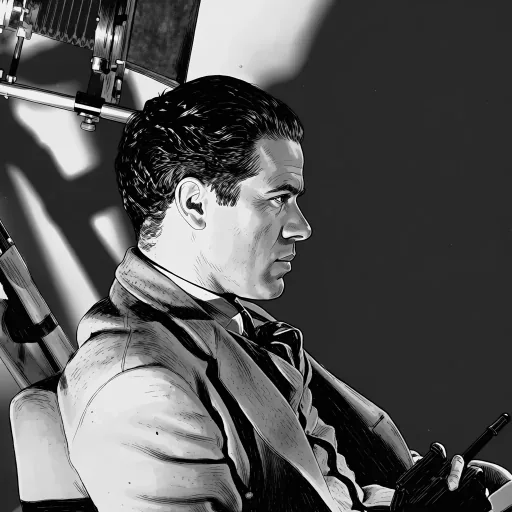
Joseph Walker

6
briefs
13:00
average
78 min
in total
On film.briefs6
13:00

Here Comes Mr. Jordan

Alexander Hall · 1941

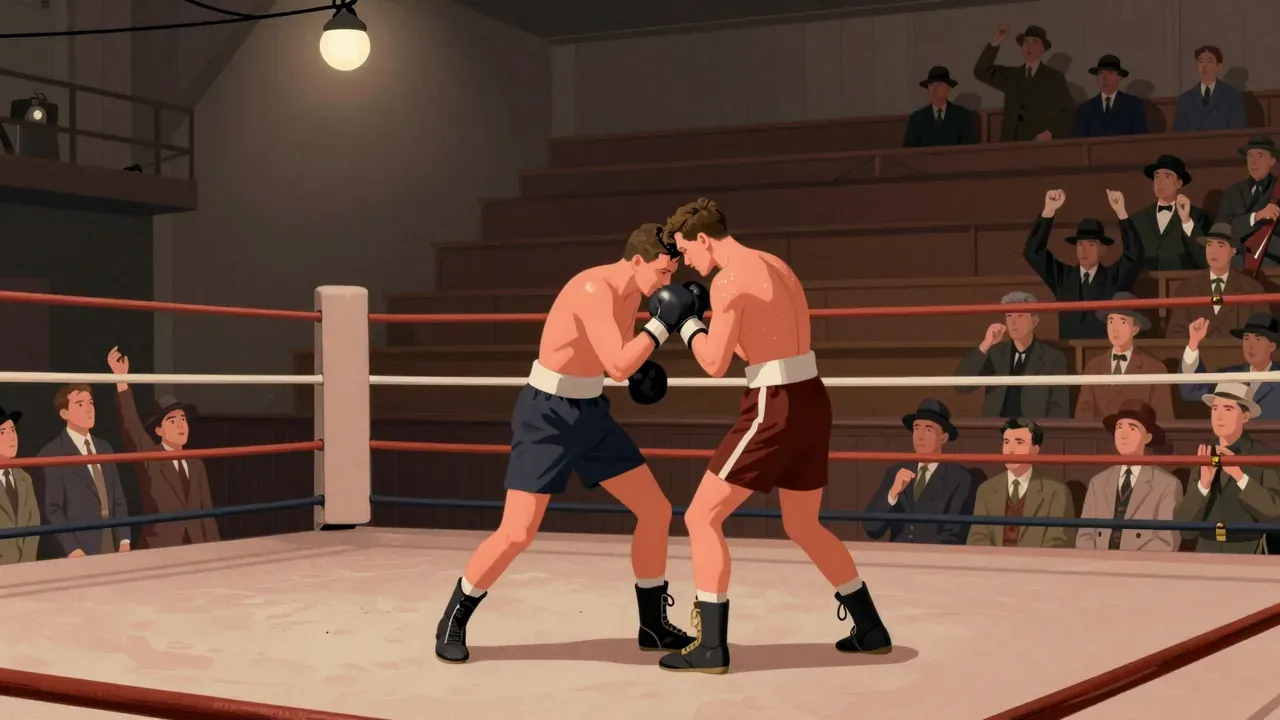
Here Comes Mr. Jordan (1941) follows boxer Joe Pendleton, mistakenly taken to Heaven before his time, who must inhabit a new body on Earth to complete his life. Directed by Alexander Hall and written by Sidney Buchman and Seton I. Miller, the film balances fantasy, romance, and comedy with precise structure and restrained performances. Its strength lies in treating the afterlife as bureaucratic infrastructure and grounding ethical choices in tangible action — restitution, not revelation. Though its final act softens its earlier rigour, the film remains a masterclass in economical, character-led storytelling.
13:00

His Girl Friday

Howard Hawks · 1940

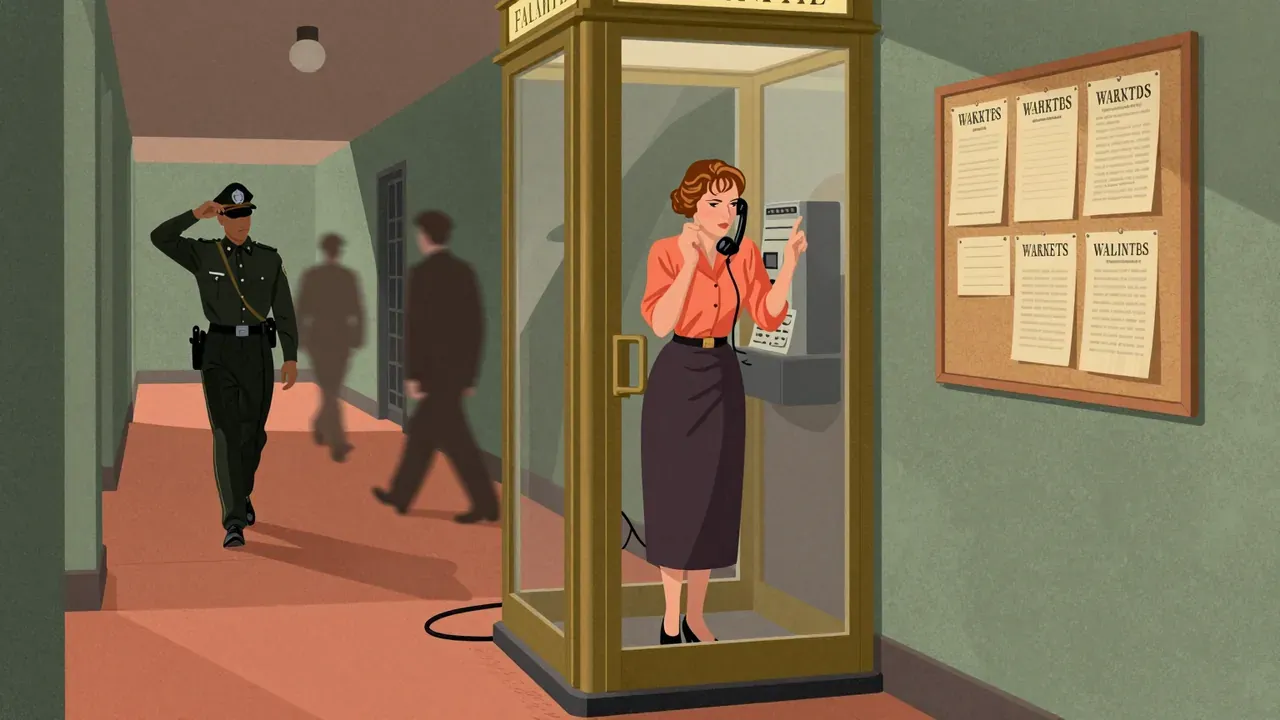
Howard Hawks’s 1940 comedy His Girl Friday recasts The Front Page as a battle of wits between ex-spouses Walter Burns and Hildy Johnson, a newspaper editor and reporter whose professional rivalry reignites as a romantic one. Shot at breakneck speed with overlapping dialogue, it privileges competence over sentiment and friction over harmony. Though formally dazzling and historically influential, it sidesteps the racial and ethical weight of its source material, treating injustice as backdrop rather than subject.

13:00

Only Angels Have Wings

Howard Hawks · 1939

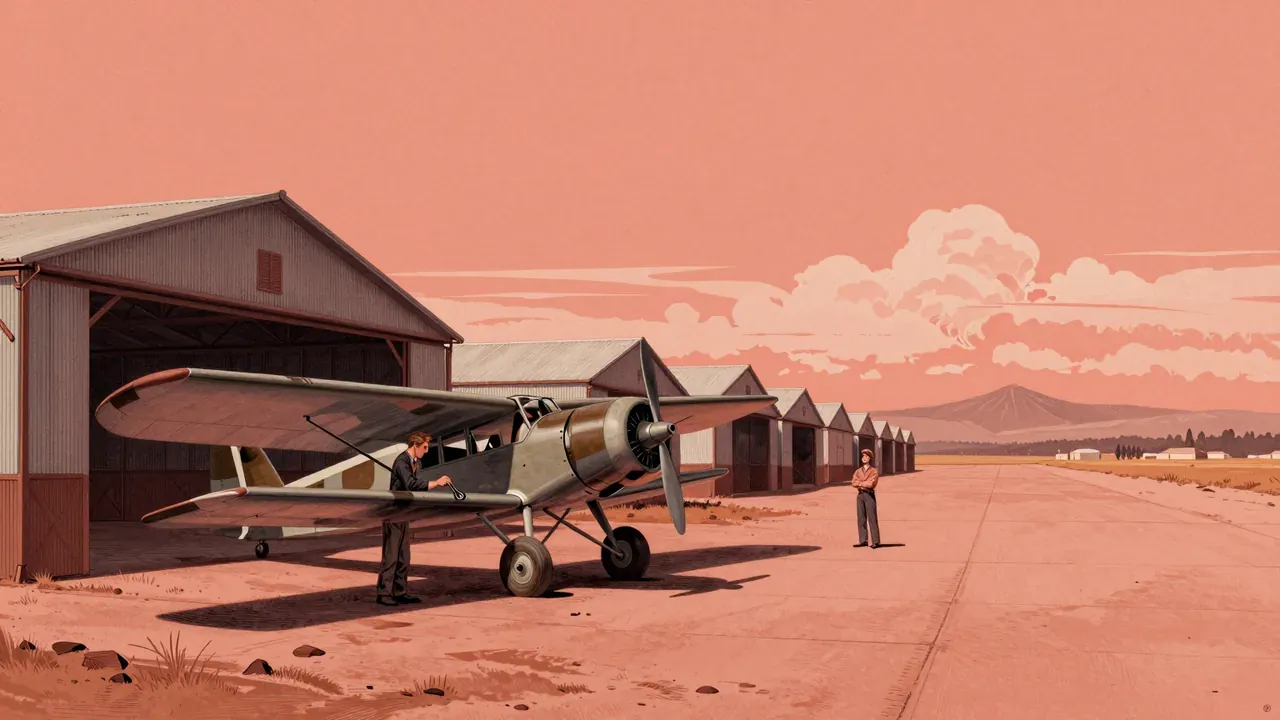
Howard Hawks’ 1939 drama follows Geoff Carter, manager of a perilous South American air freight operation, as he balances a government contract deadline against the lives of his pilots. Starring Cary Grant and Jean Arthur, it builds its world through procedural clarity, not psychology — valuing competence over confession, restraint over revelation. Joseph Walker’s cinematography, Dimitri Tiomkin’s score and Viola Lawrence’s editing sustain a single, unwavering tone: fatalism as honour, risk as routine.

13:00

The Awful Truth

Leo McCarey · 1937

Leo McCarey’s 1937 screwball comedy stars Cary Grant and Irene Dunne as a divorcing couple whose competitive courtship reveals they still love each other. Built on Viña Delmar and Sidney Buchman’s script, it replaces moralising with behavioural precision, using dog custody hearings, nightclub sabotage and society-party sabotage to expose the gap between social performance and private feeling. Joseph Walker’s cinematography and Al Clark’s editing sustain its tight, unhurried rhythm. Though some supporting elements feel thin and its class framework dated, its central performances and structural clarity remain benchmarks of studio-era comedy.

13:00

It Happened One Night

Frank Capra · 1934

A 1934 romantic comedy starring Claudette Colbert and Clark Gable, directed by Frank Capra. A runaway heiress and a jobless reporter share a cross-country bus journey, negotiating class, gender and growing affection under tight comic constraints. Adapted from a short story, it won the Academy Award 'Big Five' and remains a benchmark of economical, actor-led storytelling.

13:00

The Lady from Shanghai

Orson Welles · 1947

Orson Welles’s 1947 noir, shot on location in San Francisco and Acapulco, uses a tangled murder plot to interrogate perception, law, and performance. Though heavily cut by Columbia Pictures, its surviving fragments—including the legendary hall-of-mirrors finale—retain a stark, unsettling power rooted in visual and ethical ambiguity.