filmbriefs
Actor · 1939

James Fox

4
briefs
13:00
average
52 min
in total
On film.briefs4
13:00

Performance

Donald Cammell, Nicolas Roeg · 1970

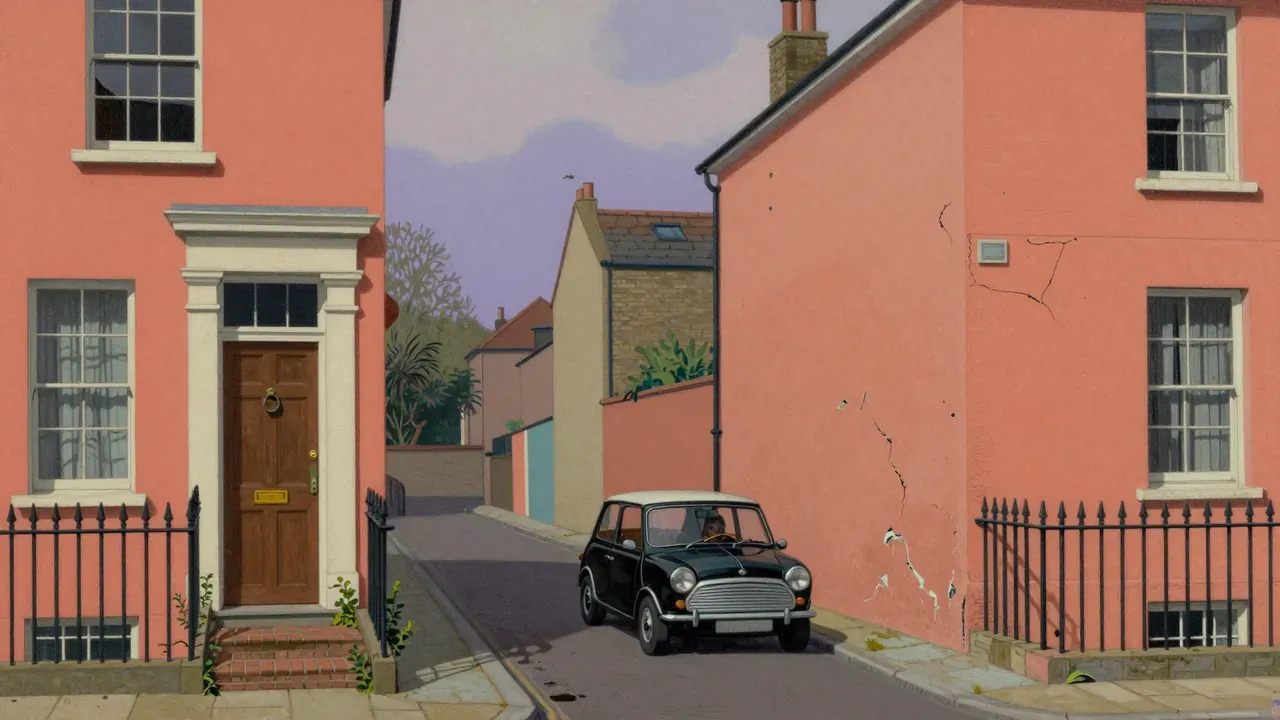
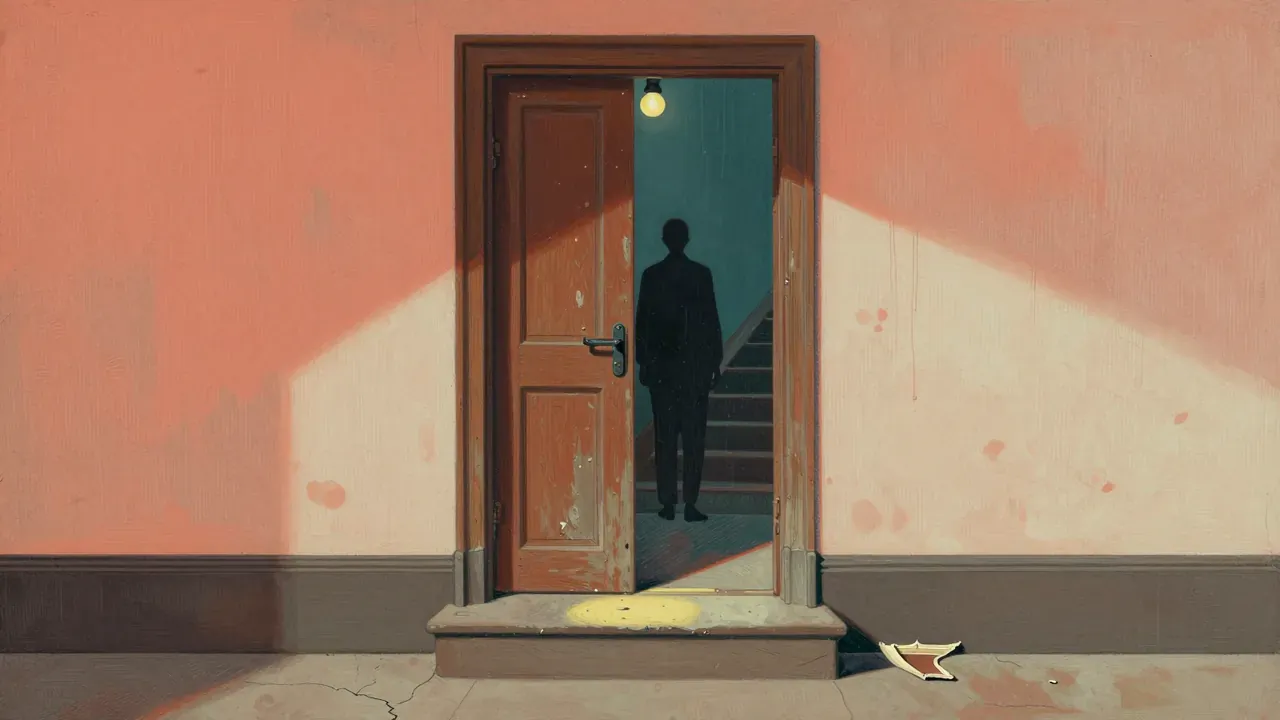
A violent East London gang enforcer, on the run after killing a rival, hides in the Notting Hill home of a reclusive rock star. What follows is less a thriller than a psychological and formal investigation into performance, identity, and the porous line between role and self. Directed by Donald Cammell and Nicolas Roeg, and starring James Fox and Mick Jagger, the 1970 British film uses fractured editing, dissonant sound, and deliberate ambiguity to unsettle narrative expectation and challenge assumptions about masculinity, class, and authenticity.

13:00

The Servant

Joseph Losey · 1963

Joseph Losey’s 1963 adaptation of Robin Maugham’s novella, scripted by Harold Pinter, charts the slow, chilling inversion of power between a wealthy Londoner and his manservant. Shot at Elstree Studios by Douglas Slocombe and edited by Reginald Mills, it uses minimal dialogue, precise framing, and psychological tension to dissect British class structures without exposition or judgment.

13:00

Charlie and the Chocolate Factory

Tim Burton · 2005

Tim Burton’s 2005 Charlie and the Chocolate Factory is a deliberate departure from the 1971 adaptation: darker, more textured, and psychologically expanded. With Johnny Depp as a tightly wound Willy Wonka and Freddie Highmore as a quietly observant Charlie Bucket, it restores elements from Roald Dahl’s novel while adding Wonka’s estranged dentist father as a key to his pathology. Shot on practical sets at Pinewood Studios, the film privileges tactile realism over digital spectacle. Though praised for its design and tone, its emotional resolution remains thin — Charlie’s virtue is passive, Wonka’s healing unearned. It is a family film that trusts its audience to sit with discomfort.

13:00

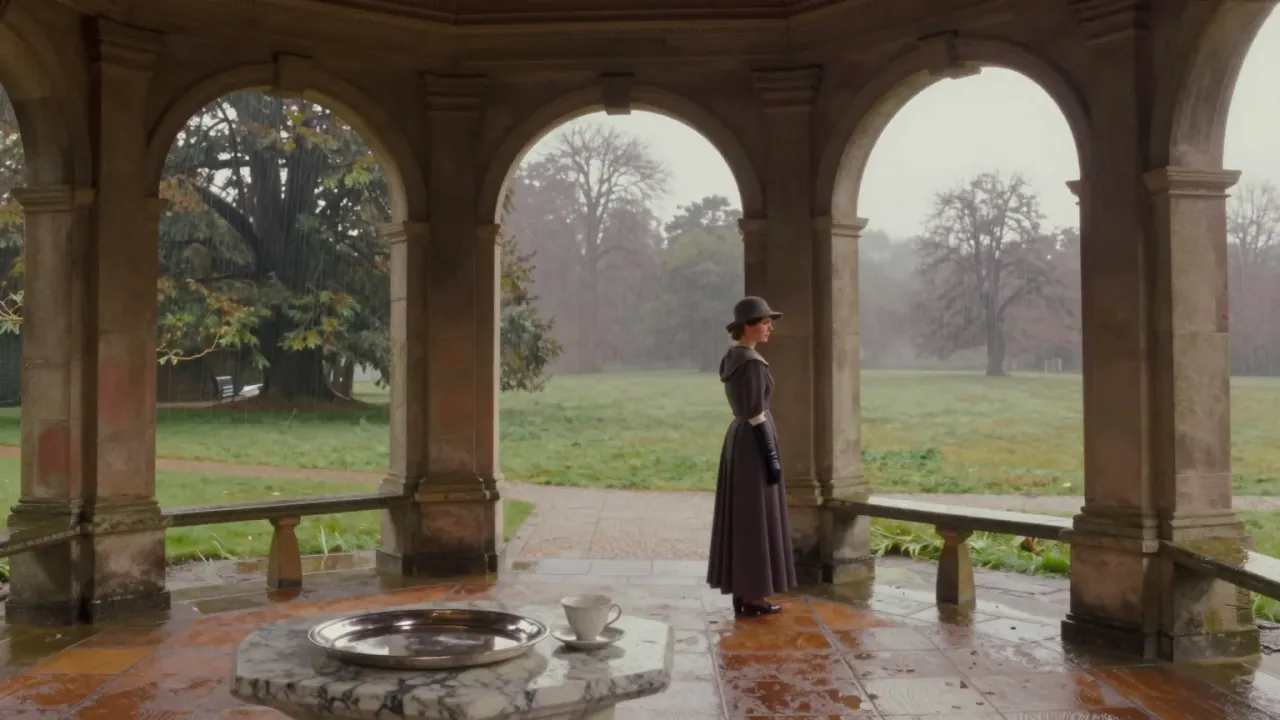
The Remains of the Day

James Ivory · 1993

James Ivory’s 1993 adaptation of Kazuo Ishiguro’s novel follows Anthony Hopkins’ butler Stevens on a 1958 road trip to revisit his former housekeeper, Emma Thompson’s Miss Kenton. Interwoven flashbacks reveal their years serving Lord Darlington — a man whose misguided appeasement of Nazism corrodes both his reputation and Stevens’ sense of self. With muted cinematography, sparse music, and performances rooted in restraint, the film renders emotional life as gesture, memory as omission, and class as embodied discipline.