filmbriefs
Actor · Producer · 1910–1973

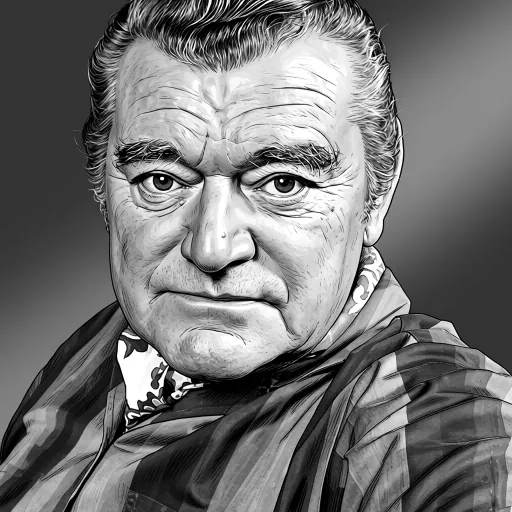
Jack Hawkins

6
briefs
13:00
average
78 min
in total
On film.briefs6
13:00

The Fallen Idol

Carol Reed · 1948

Carol Reed’s 1948 drama follows seven-year-old Philippe, who lives alone in a London embassy while his diplomat father is away and his mother lies ill in hospital. He idolises the butler Baines—until he witnesses a struggle that ends with Baines’s wife falling to her death. Convinced Baines pushed her, Philippe flees, lies, and unravels under police questioning. Adapted by Graham Greene from his own story, the film renders childhood not as innocence but as radical epistemic limitation—where truth is assembled from fragments, and every object in the frame carries the weight of what cannot yet be named.
13:00

The League of Gentlemen

Basil Dearden · 1960

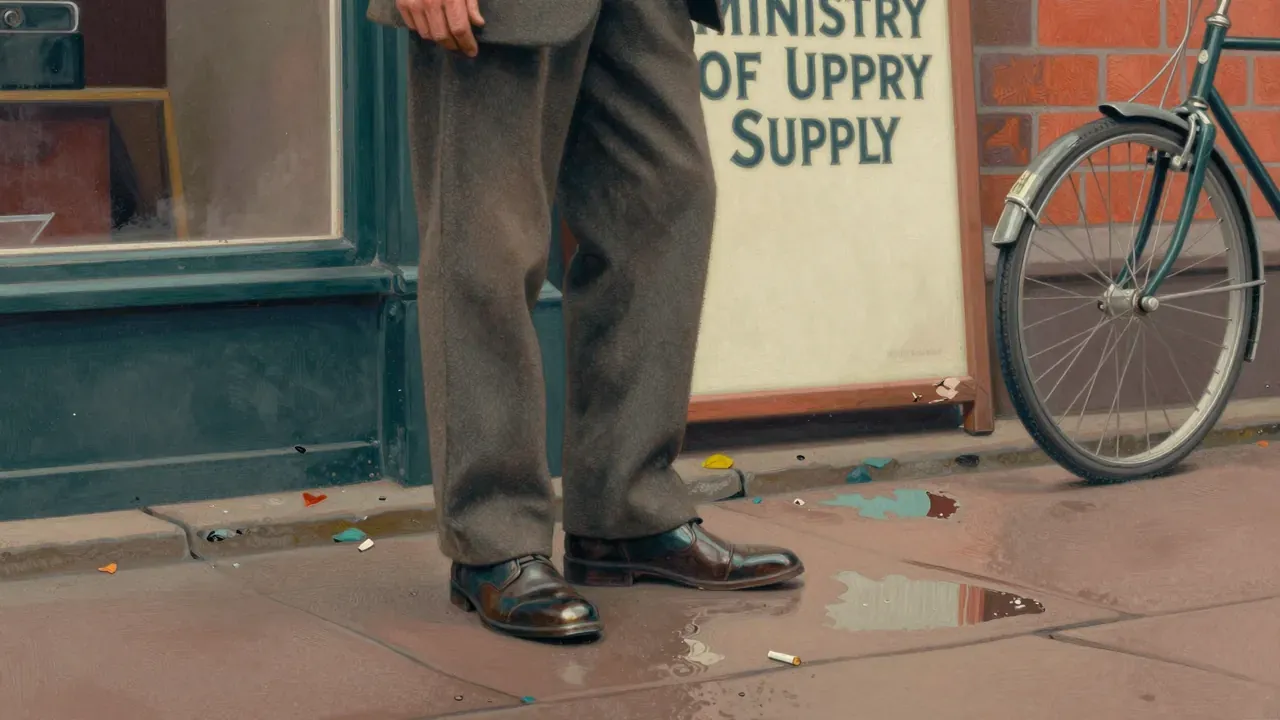
Basil Dearden’s 1960 heist film assembles seven disgraced former army officers to rob a London bank. Built on Bryan Forbes’ script and anchored by Jack Hawkins, it prizes procedural precision over psychological depth, dry irony over moral judgement, and ensemble cohesion over individual revelation. Its strengths lie in tightly orchestrated set-pieces and consistent tone; its limits in underdeveloped characters and withheld emotional stakes.

13:00

The Ruling Class

Peter Medak · 1972

Peter Medak’s 1972 adaptation of Peter Barnes’s play stars Peter O'Toole as Jack Gurney, a paranoid schizophrenic who inherits a peerage and cycles between believing he is Christ and Jack the Ripper. Set against the decaying grandeur of Harlaxton Manor, the film uses theatrical staging, sharp dialogue and O'Toole’s ferocious performance to dissect class, psychiatry and institutional power. Though divisive on release, it endures as a formally bold, morally uncompromising satire.

13:00

The Small Back Room

Michael Powell, Emeric Pressburger · 1949

Michael Powell and Emeric Pressburger’s 1949 adaptation of Nigel Balchin’s novel follows a disabled weapons scientist navigating bureaucratic inertia, chronic pain, and personal collapse during the Second World War. Shot in naturalistic style across London and Dorset, it trades spectacle for psychological texture, locating heroism in quiet mastery rather than action. David Farrar delivers a physically anchored performance, supported by Kathleen Byron and a tightly drawn ensemble. Though its middle stretches sag under procedural weight, the film’s final sequence — a harrowing, tactile disarming of a Nazi booby trap — affirms its core concern: dignity earned through endurance, not bestowed by victory.

13:00

Lawrence of Arabia

David Lean · 1962

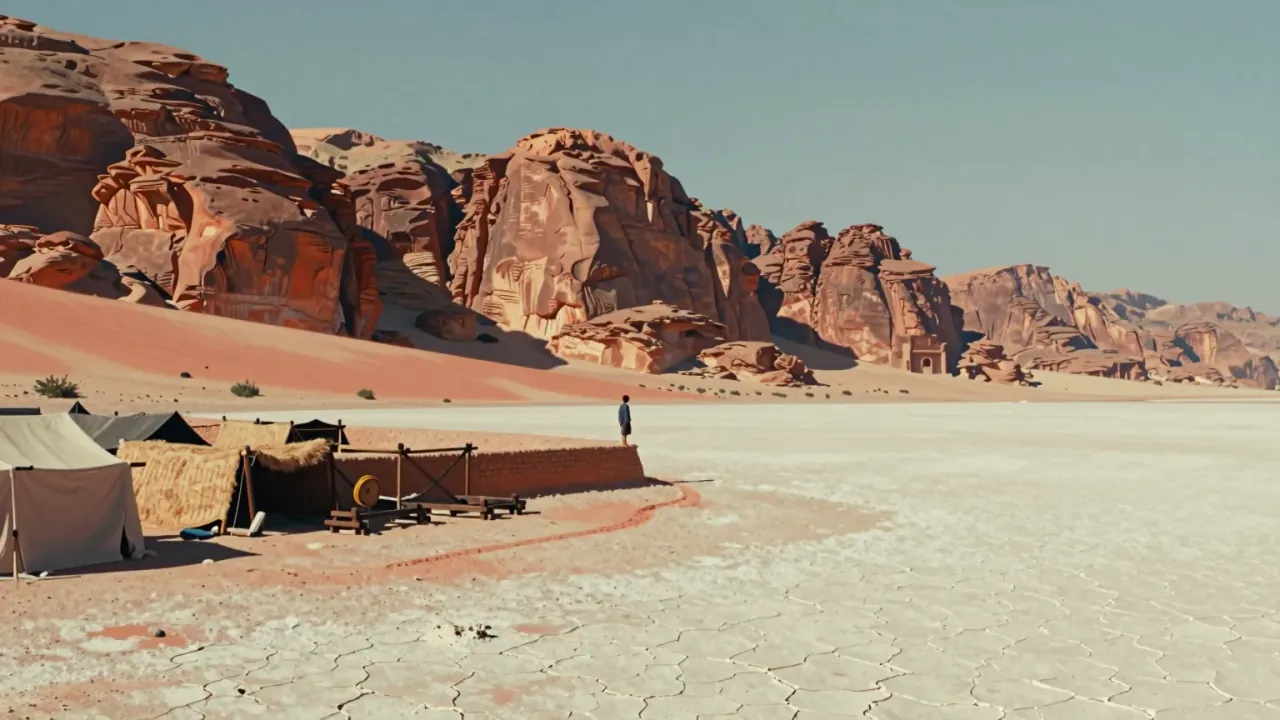
David Lean’s 1962 epic follows T. E. Lawrence’s immersion in the Arab Revolt during the First World War. Peter O'Toole stars in a performance defined by restraint and volatility, supported by Freddie Young’s monumental Super Panavision 70 cinematography and Maurice Jarre’s evocative score. The film prioritises atmosphere over exposition, using vast, still landscapes to chart internal collapse and reinvention. Though rooted in history, it functions as a psychological portrait — of identity, allegiance and the cost of translation between worlds.

13:00

The Bridge on the River Kwai

David Lean · 1957

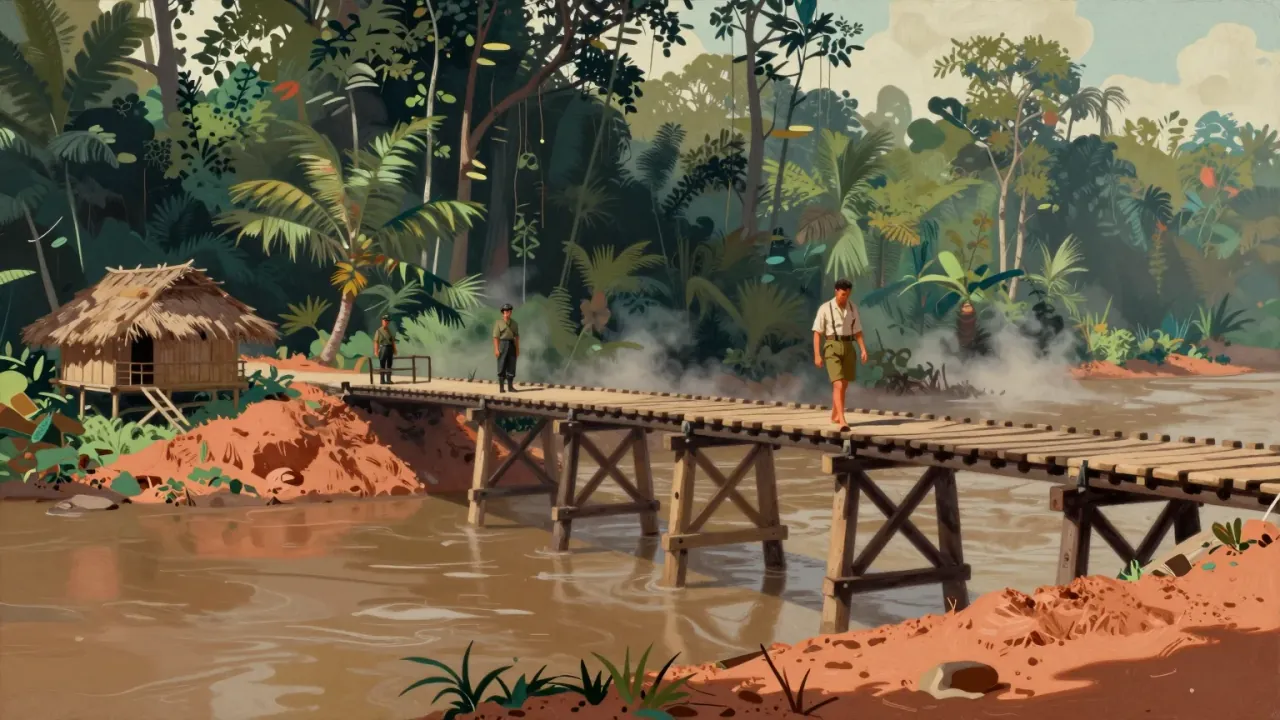
David Lean’s 1957 war drama follows British POWs forced to build a railway bridge for their Japanese captors in Thailand. At its centre is Colonel Nicholson, whose obsession with discipline and engineering excellence leads him to collaborate with the enemy — not out of weakness, but conviction. With Alec Guinness, William Holden and Sessue Hayakawa, it is a tightly wound study of pride, obedience and the porous line between order and complicity.