Saved
Director · Producer · 1890–1972

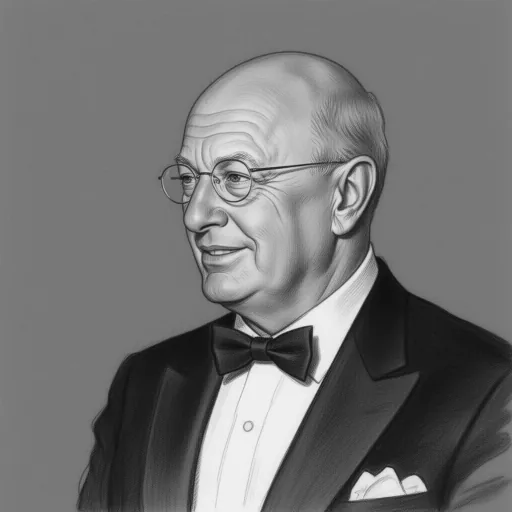
Harry Joe Brown

4
briefs
13:00
average
52 min
in total
On film.briefs4
13:00

Buchanan Rides Alone

Budd Boetticher, Harry Joe Brown · 1958

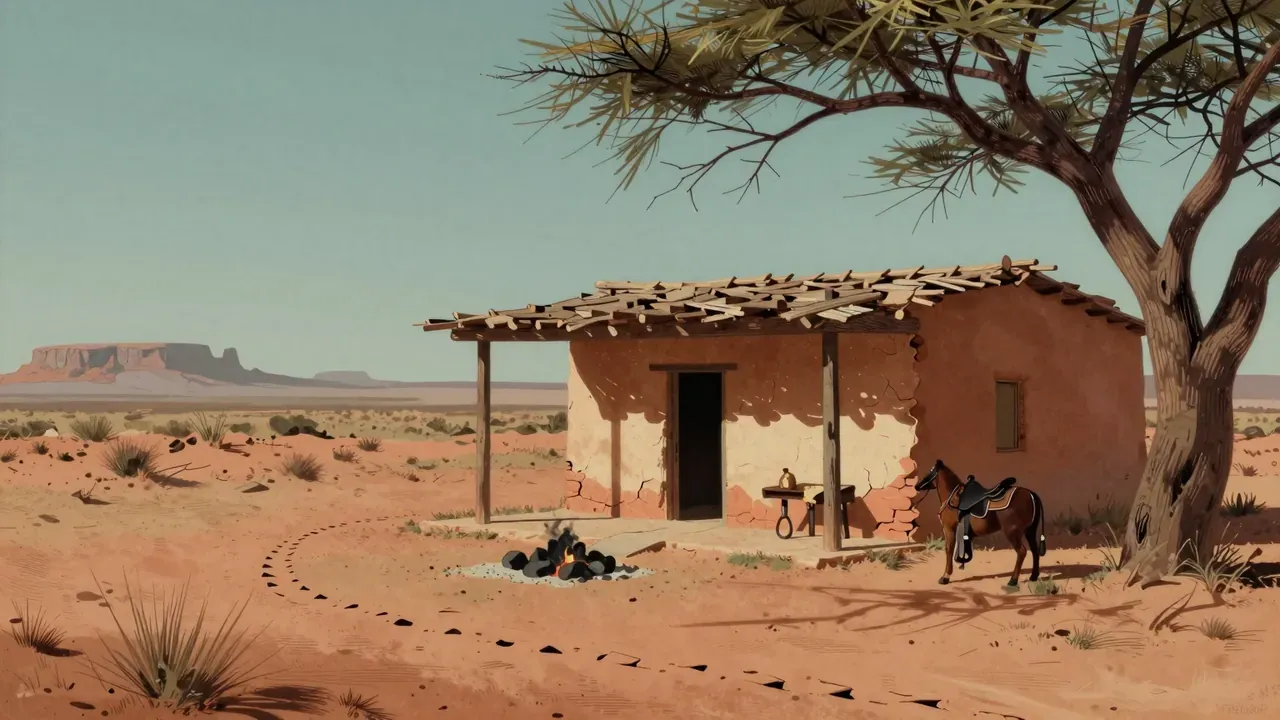
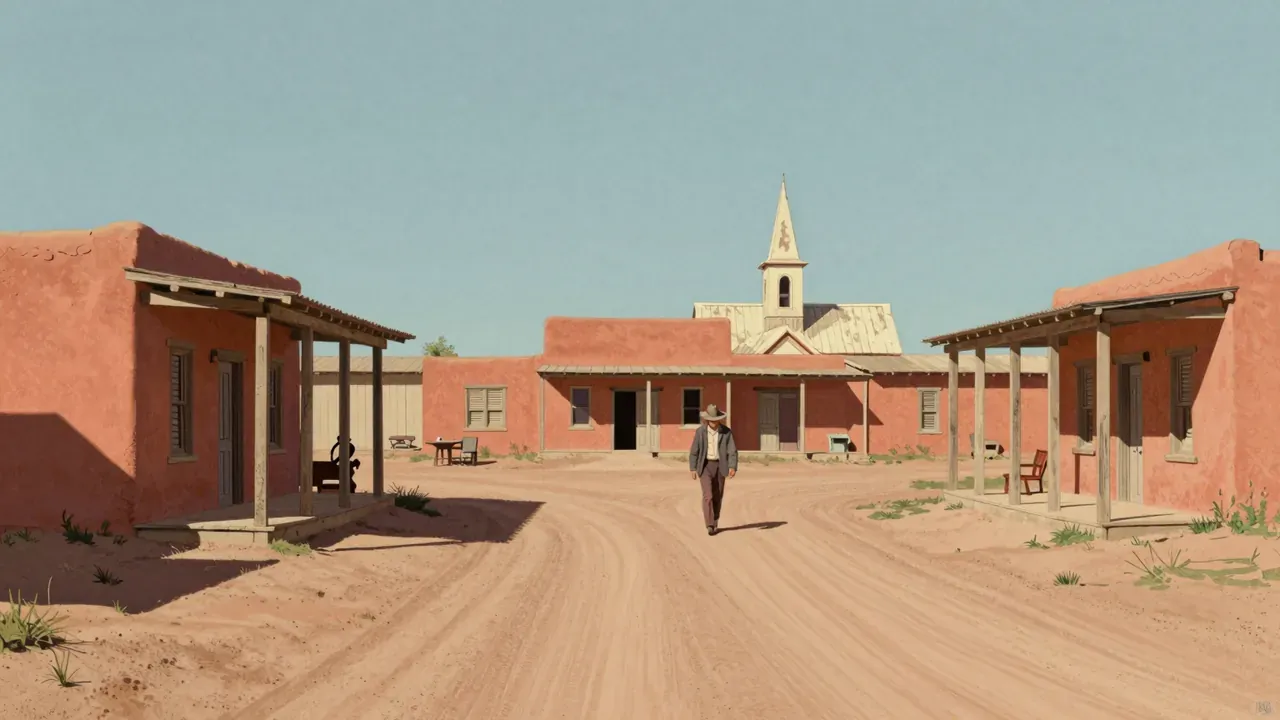
Buchanan Rides Alone (1958) is a tightly wound Western starring Randolph Scott as a lone drifter caught in a corrupt border town run by the Agry family. Directed by Budd Boetticher and Harry Joe Brown, written by Charles Lang, and shot by Lucien Ballard, it uses sparse dialogue, confined spaces, and deliberate pacing to explore jurisdiction, consent, and quiet resistance. At 78 minutes, it prioritises behavioural precision over plot escalation, anchoring its themes in posture, framing, and silence.
13:00

Captain Blood

Michael Curtiz · 1935

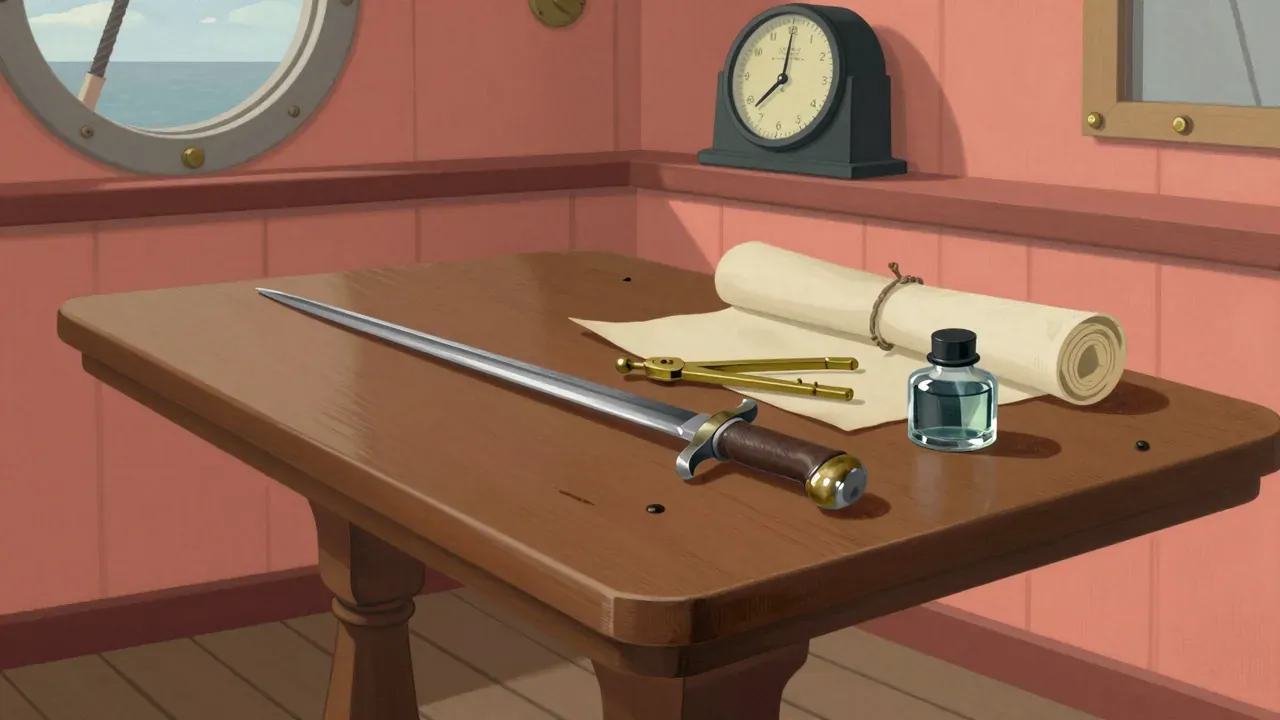
Michael Curtiz’s 1935 swashbuckler launched Errol Flynn as a star and redefined Hollywood adventure cinema. Adapted from Rafael Sabatini’s novel by Casey Robinson, it follows Irish doctor Peter Blood, unjustly enslaved and turned pirate, whose moral rigour and tactical brilliance make him both outlaw and redeemer. Shot largely on sound stages with a symphonic Korngold score, it prioritises narrative economy, physical authenticity, and ethical coherence over historical nuance or psychological complexity. Its enduring power lies in its unwavering commitment to craft as conscience.

13:00

Decision at Sundown

Budd Boetticher · 1957

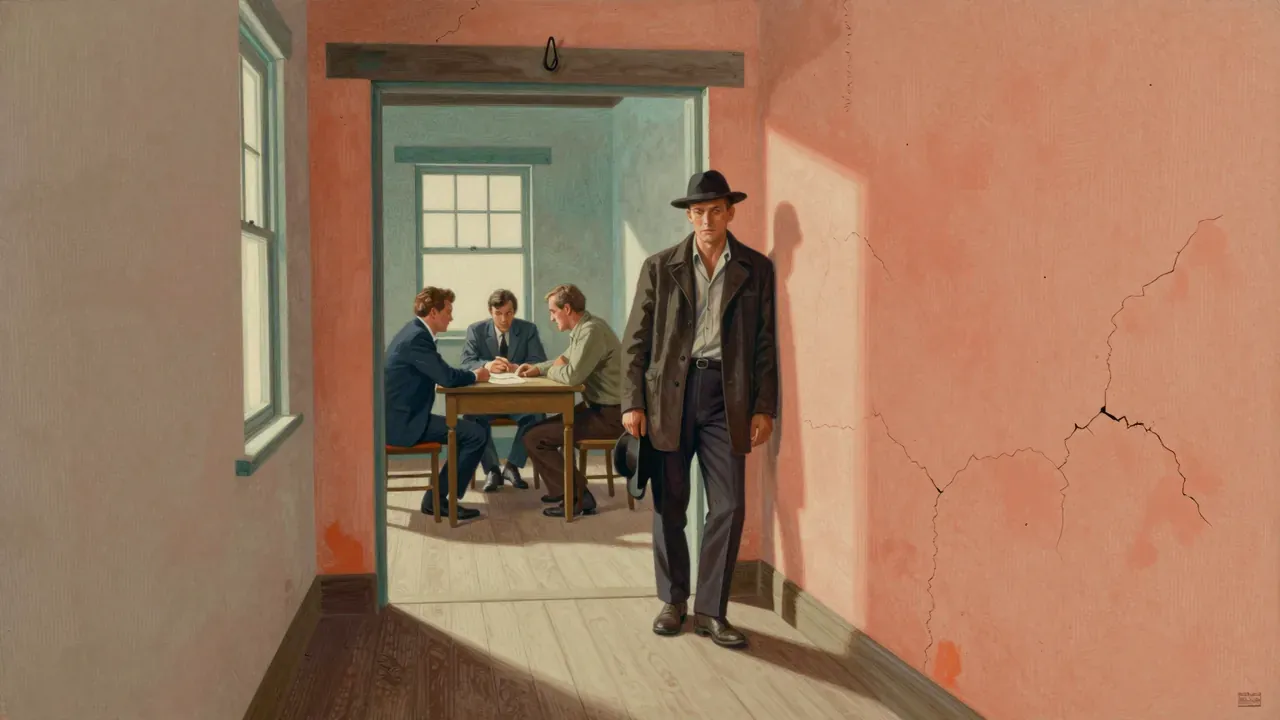
Decision at Sundown (1957), directed by Budd Boetticher and starring Randolph Scott, follows a man seeking vengeance in a small Western town — only to have his certainty unravel over a single day. With Burnett Guffey’s stark cinematography and Charles Lang’s tightly coiled script, the film builds tension through dialogue and silence rather than action, culminating not in a showdown but in a quiet, bitter withdrawal. Part of the Boetticher–Scott cycle, it stands apart for its psychological austerity and moral ambiguity.

13:00

The Tall T

Budd Boetticher · 1957

The Tall T (1957), directed by Budd Boetticher and starring Randolph Scott, is a tightly wound Western adapted from Elmore Leonard’s 'The Captives'. When ranch hand Pat Brennan is kidnapped alongside a reluctant heiress by three outlaws, the film becomes a study in constrained choice, quiet courage, and the cost of moral consistency. Shot by Charles Lawton Jr. and edited by Al Clark, it relies on stillness, silence, and precise performance over action. Its power lies in what it omits—and what it insists the viewer notice instead.