Joyless Street
Georg Wilhelm Pabst · 1925
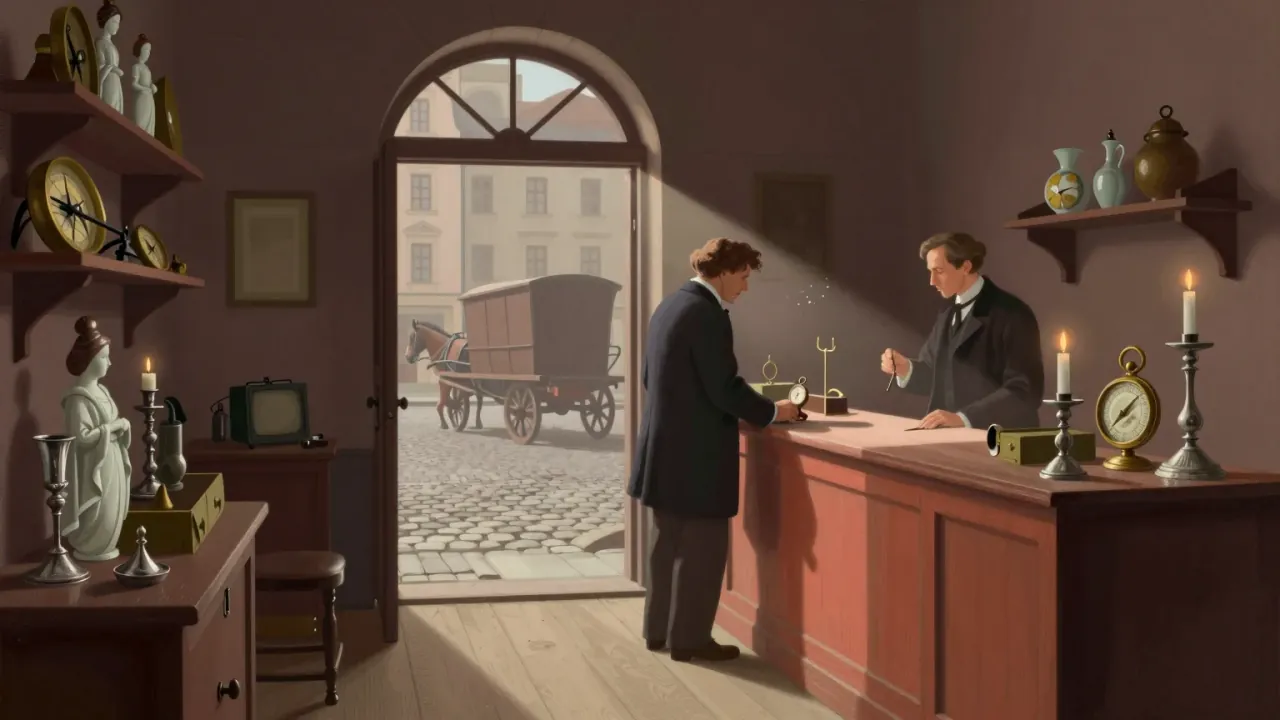
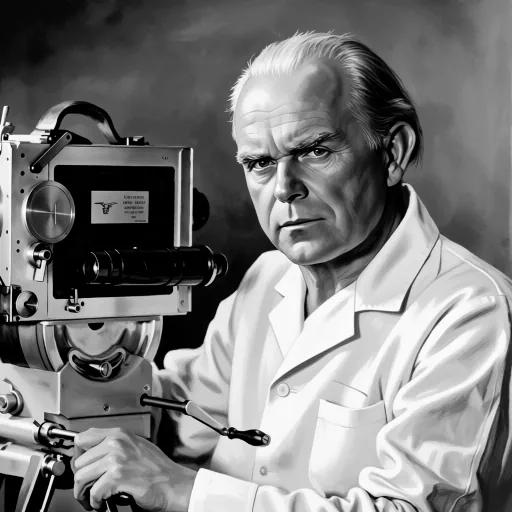
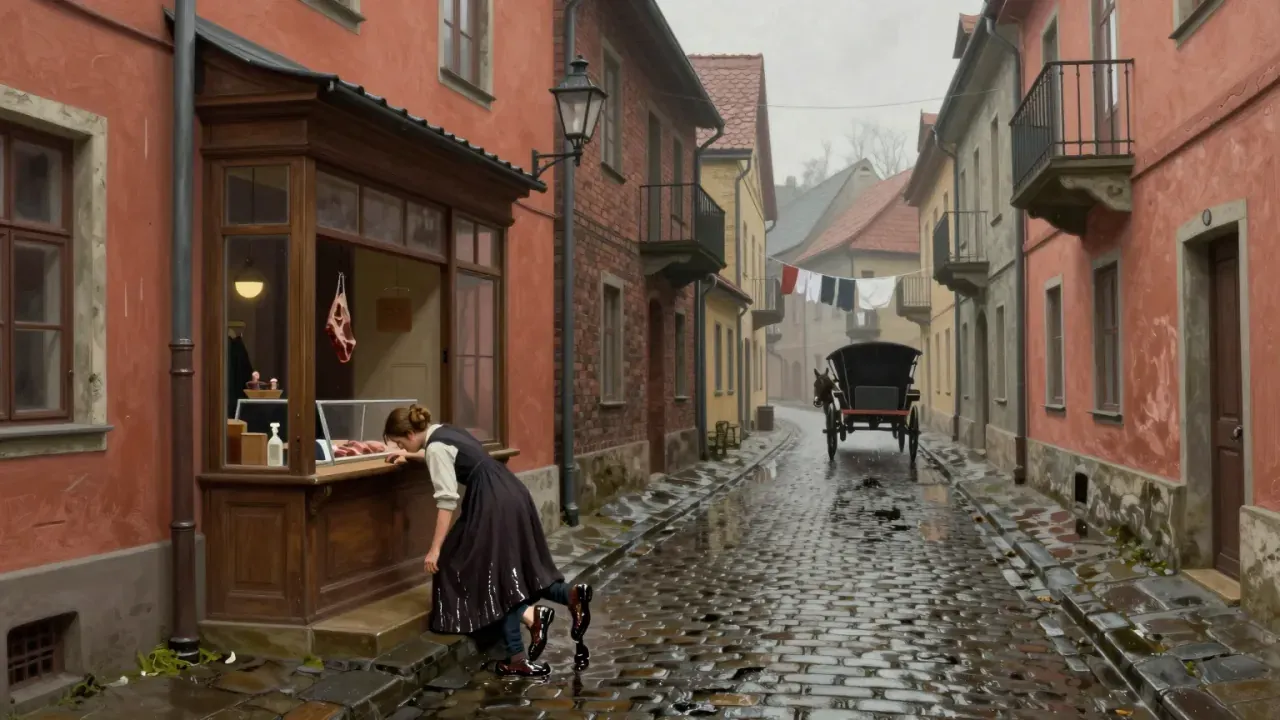
Georg Wilhelm Pabst’s 1925 silent film Joyless Street observes life in a Viennese alley during hyperinflation, following Marie, Grete, and Else as they navigate hunger, exploitation, and eroded dignity. Adapted from Hugo Bettauer by Willy Haas, it rejects expressionist exaggeration for a flatter, denser realism—studio sets by Erdmann and Sohnle, cinematography by Seeber, Oertel and Lach, editing by Mark Sorkin. Its power lies in accumulation, not climax: small choices, shared spaces, systemic pressure. Restored in the 1990s, it remains a key work of New Objectivity—and a demanding, unsentimental record of societal breakdown.