filmbriefs
Director · Screenwriter

Francesco Rosi

4
briefs
13:00
average
52 min
in total
On film.briefs4
13:00

Christ Stopped at Eboli

Francesco Rosi · 1979

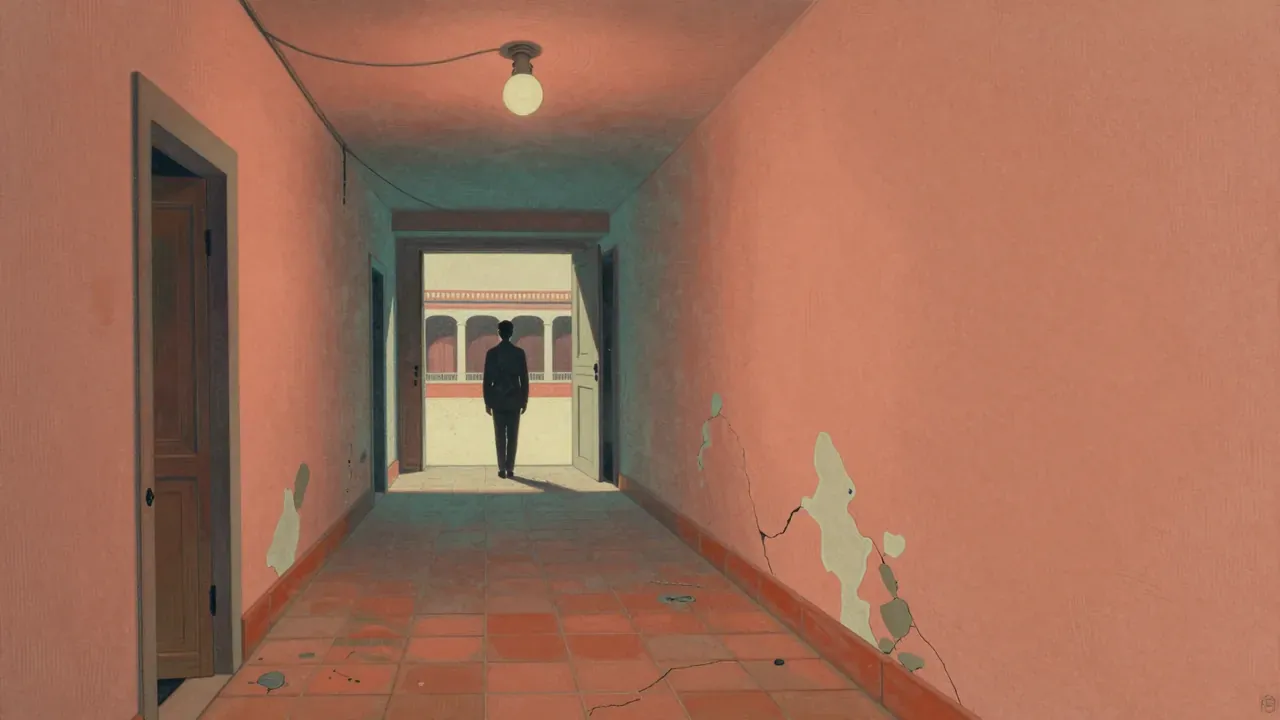
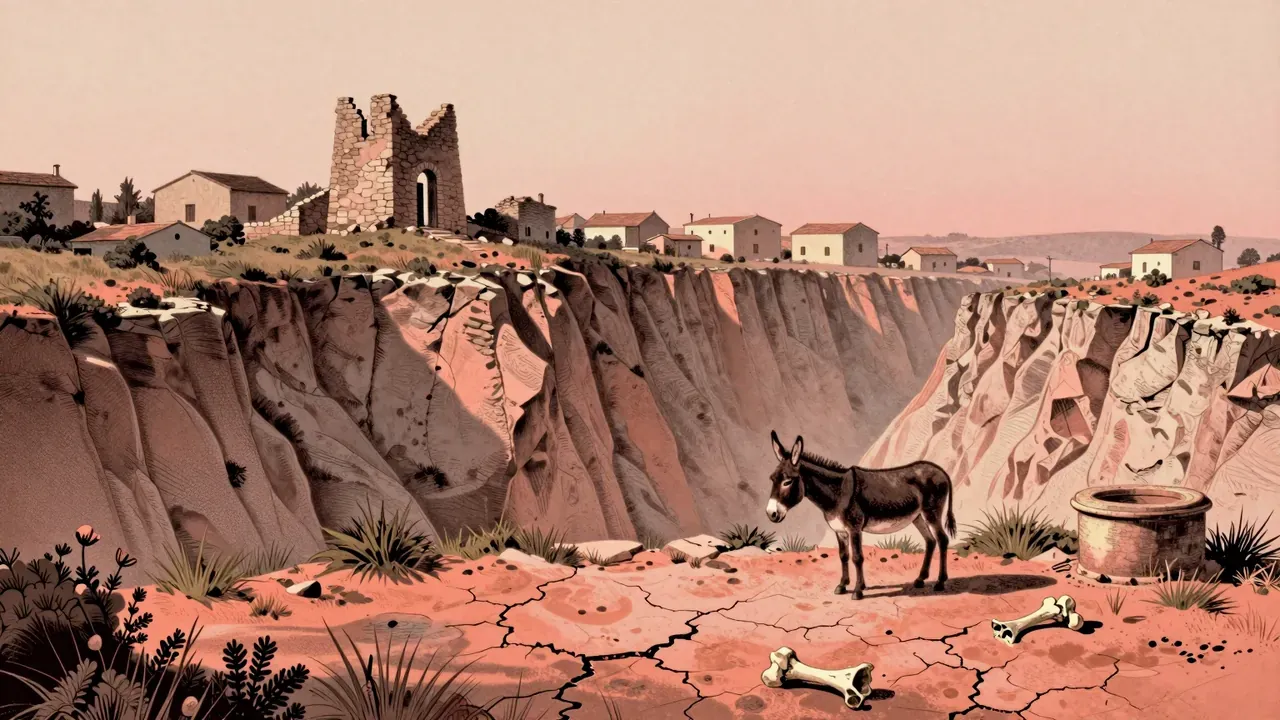
Francesco Rosi’s 1979 adaptation of Carlo Levi’s memoir follows a Turin intellectual exiled to rural Basilicata under Fascism. Shot on location in crumbling villages, it renders poverty, superstition and resilience without sentiment or exposition. Gian Maria Volonté plays Levi as observer first, healer second, and the film’s power lies in its patient, unsparing gaze—not on suffering, but on what power ignores.
13:00

Hands Over the City

Francesco Rosi · 1963

Francesco Rosi’s 1963 Golden Lion winner follows Neapolitan developer and councillor Edoardo Nottola as he leverages public office for private real-estate gain—until a building collapse triggers an official inquiry. Shot in stark, observational style by Gianni Di Venanzo and written with journalistic rigour, the film avoids psychology and spectacle in favour of committee rooms, permits, and quiet complicity. Rod Steiger and Carlo Fermariello anchor a cast that includes non-professionals, reinforcing its documentary texture. It is a film about how power consolidates not in crises but in paperwork.

13:00

Salvatore Giuliano

Francesco Rosi · 1962

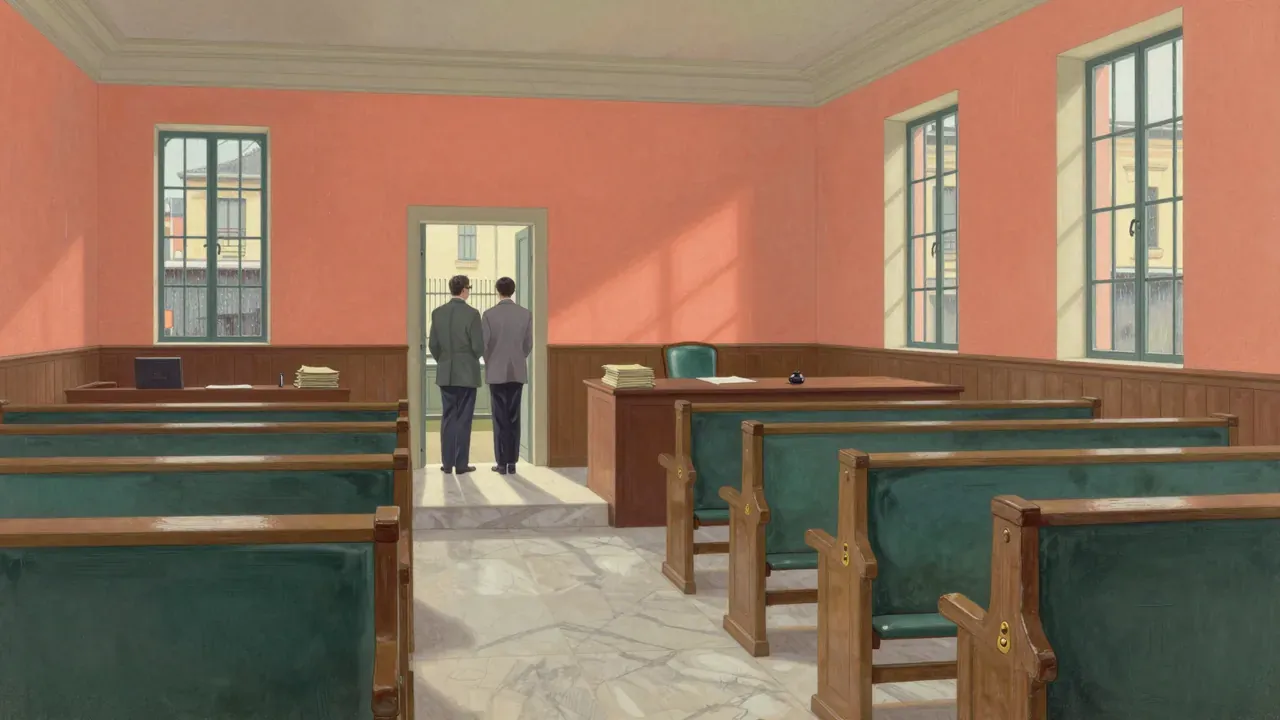
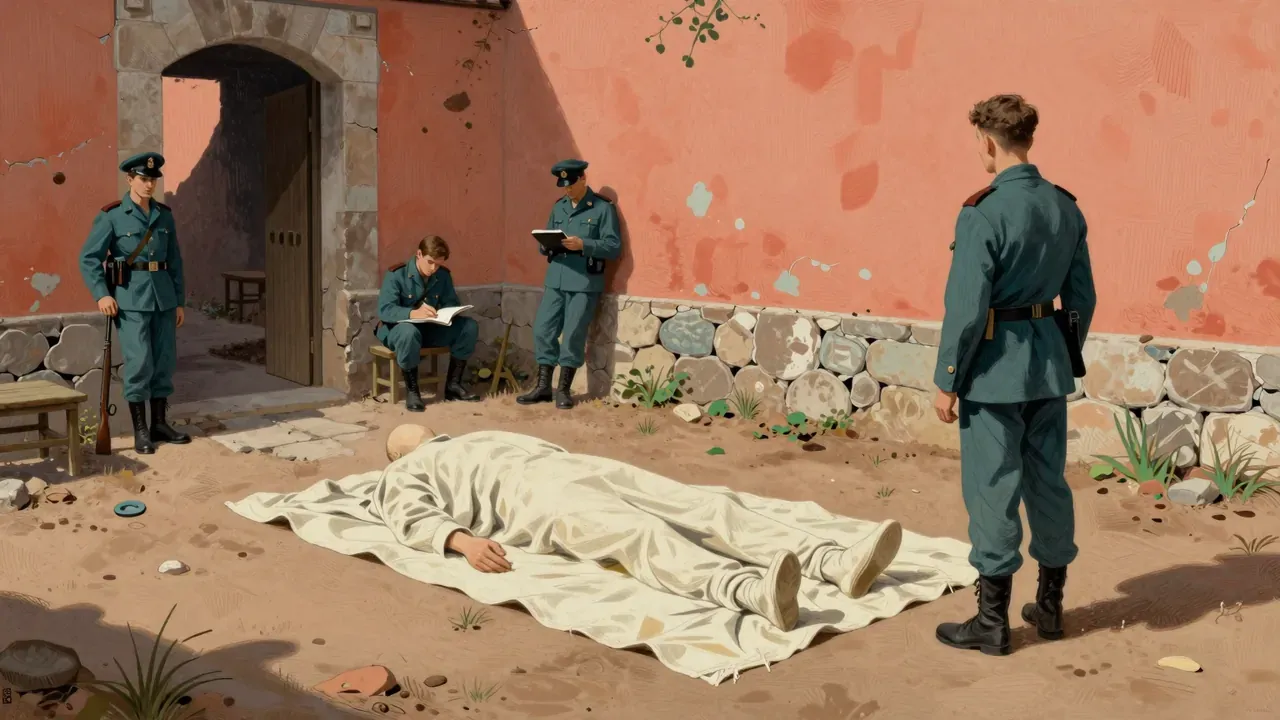
Francesco Rosi’s 1962 docudrama reconstructs the life and death of Sicilian bandit Salvatore Giuliano not as myth or biography, but as a forensic inquiry into institutional complicity. Shot on location in Sicily with non-professional actors, it uses fragmented chronology, courtroom transcripts and contradictory testimony to expose how power operates across Mafia, carabinieri and judiciary. Giuliano appears only fleetingly — dead, distant, obscured — while figures like his betrayer Pisciotta and judges presiding over rigged trials occupy the frame. The film’s rigour lies in its refusal to narrativise, opting instead for procedural clarity and structural irony.

13:00

The Moment of Truth

Francesco Rosi · 1965

Francesco Rosi’s 1965 drama follows Miguel Romero, a young man from rural poverty who abandons farming for bullfighting in search of dignity and recognition. Shot with restrained realism by Di Venanzo, De Santis and Parolin, and performed largely by real bullfighters including Miguelín himself, the film avoids mythmaking in favour of procedural observation — tracing how ritual, class and visibility reshape identity. Linda Christian appears as an ambiguous outsider. Its themes centre on substitution, erasure and the cost of becoming legible in a hierarchical world.