filmbriefs
Cinematographer · Editor · 1964

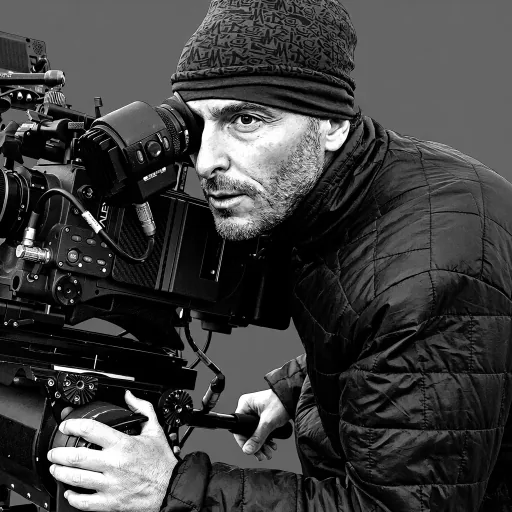
Emmanuel Lubezki

6
briefs
13:00
average
78 min
in total
On film.briefs6
13:00

Sólo Con Tu Pareja

Alfonso Cuarón · 1991

Alfonso Cuarón’s 1991 debut Sólo Con Tu Pareja is a tightly wound Mexican romantic comedy about a womanising ad man falsely diagnosed with AIDS, whose ensuing suicide pact with a disillusioned flight attendant becomes an accidental path to emotional honesty. Shot by Emmanuel Lubezki and edited by him too, it balances farce, satire, and quiet realism across 94 minutes in Mexico City. Though it won Ariel Awards and international festival acclaim, it was delayed for domestic release until 1993. Its strength lies in formal control and moral unsentimentality — not in likable characters or tidy resolutions.
13:00

The New World

Terrence Malick · 2006

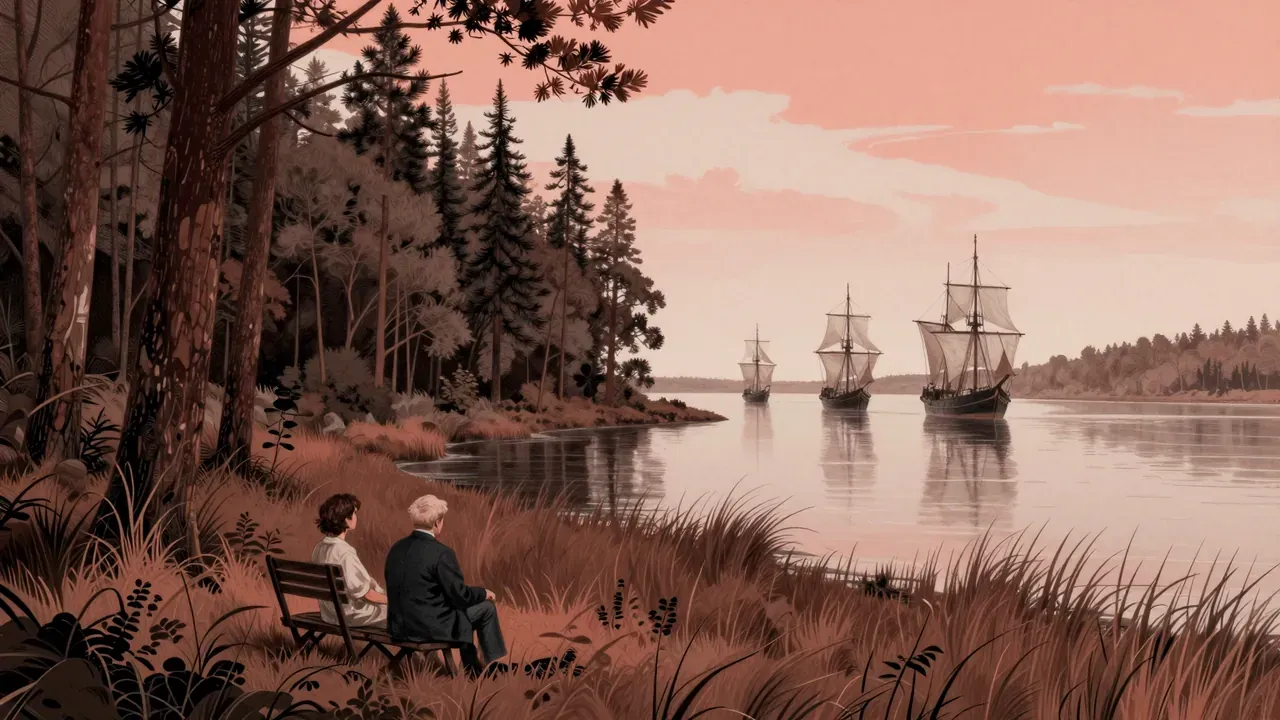
Terrence Malick’s 2006 biographical film follows Pocahontas, John Smith and John Rolfe across the founding of Jamestown, the forests of Tsenacommacah and the courts of Jacobean London. Shot by Emmanuel Lubezki and scored partly by James Horner, it privileges sensory immersion over exposition, using reconstructed Powhatan language, natural light and elliptical editing to evoke the moral and perceptual instability of early colonial encounter. Though its final act falters in narrative cohesion, its sustained tonal discipline and commitment to ambiguity make it a singular achievement in arthouse cinema.

13:00

The Tree of Life

Terrence Malick · 2011

Terrence Malick’s 2011 film interweaves cosmic origins, prehistoric evolution, and a 1950s Texas childhood into a single sensory continuum. Shot by Emmanuel Lubezki and edited from hundreds of hours of footage, it replaces plot with rhythm, dialogue with light, and psychology with presence. Its ambition is ontological: to treat human experience and natural process as variations on the same physical law.

13:00

Y tu mamá también

Alfonso Cuarón · 2001

Set in 1999 Mexico, Y tu mamá también follows two teenage boys and a woman in her late twenties on a road trip to a mythical beach. Narrated with clinical detachment, the film observes their shifting alliances, sexual awakenings, and quiet confrontations with mortality and class — all shot in handheld, naturalistic style. It is a coming-of-age story that refuses to sentimentalise youth or simplify its contradictions.

13:00

Ali

Michael Mann · 2001

Michael Mann’s Ali traces ten years in Muhammad Ali’s life, from his 1964 title win over Sonny Liston to the 1974 Rumble in the Jungle. Will Smith performs Ali as physical and vocal presence rather than psychological portrait; Emmanuel Lubezki’s cinematography and Pieter Bourke and Lisa Gerrard’s score reinforce texture over exposition. The film prioritises endurance, visibility, and voice over narrative clarity or emotional exposition — landing hardest in its sensory fidelity, faltering where it attempts thematic breadth or relational depth.

13:00

Sleepy Hollow

Tim Burton · 1999

Tim Burton’s 1999 Sleepy Hollow reimagines Washington Irving’s tale as a painterly, studio-crafted horror fable. Johnny Depp plays Ichabod Crane, a forensic-minded constable investigating decapitations in an insular Hudson Valley village. With Emmanuel Lubezki’s moody cinematography, Rick Heinrichs’ Oscar-winning production design, and Danny Elfman’s brooding score, the film builds dread through saturated colour, deliberate artifice and tactile detail — not plot mechanics or psychological realism. Its strengths are visual and atmospheric; its weaknesses lie in structural looseness and underdeveloped relationships. It rewards patience with mood over momentum.