filmbriefs
Composer

Dmitri Shostakovich

3
briefs
13:00
average
39 min
in total
On film.briefs3
13:00

Battleship Potemkin

Sergei Eisenstein · 1925

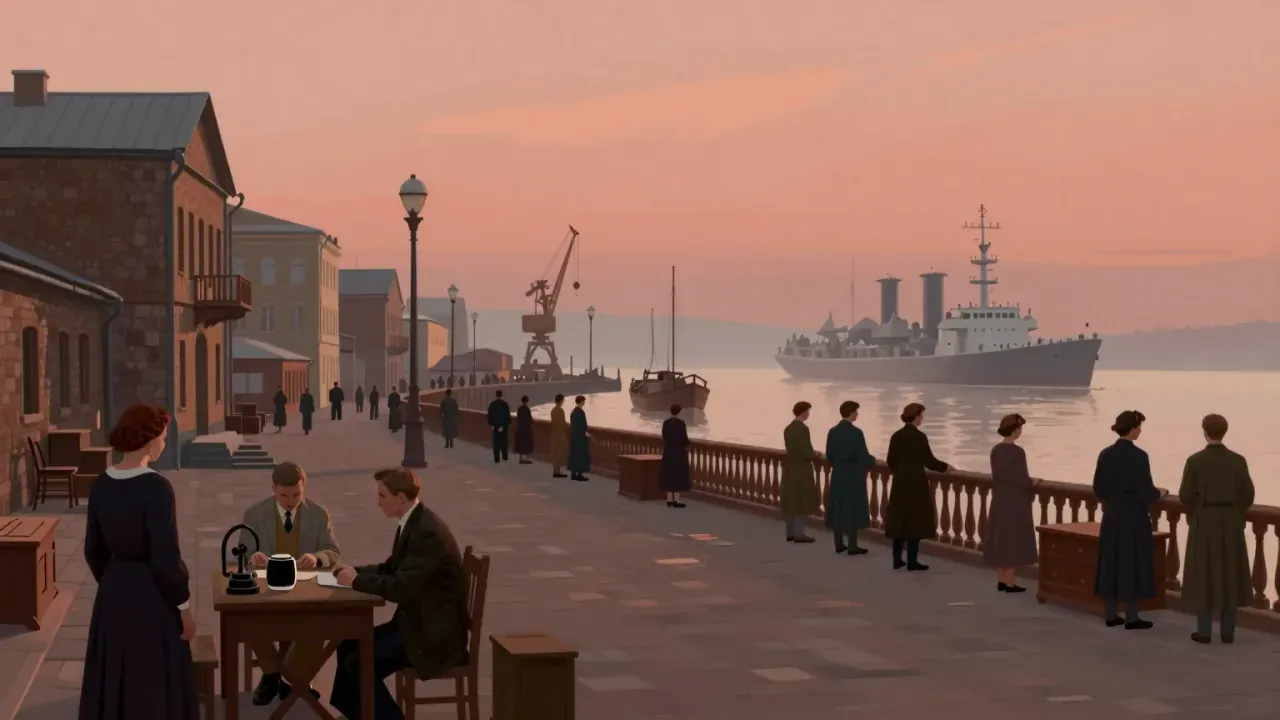
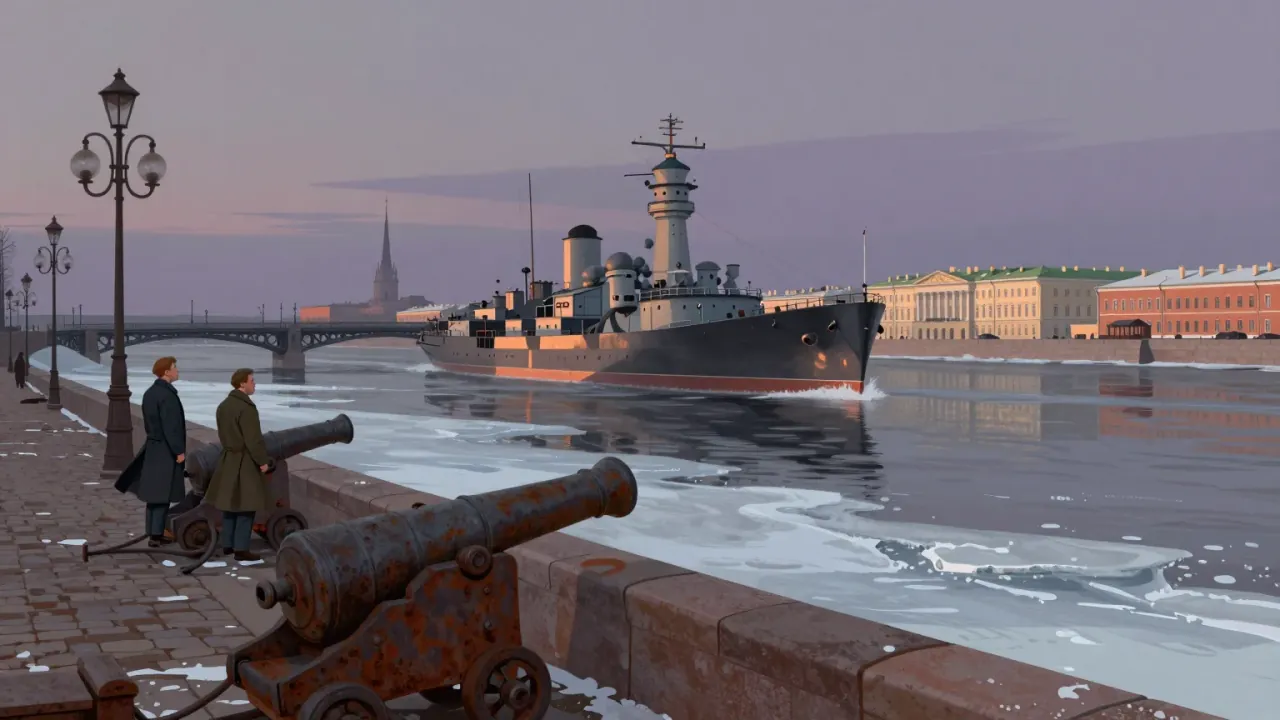
Battleship Potemkin (1925) is Sergei Eisenstein’s landmark Soviet silent film dramatising the 1905 mutiny aboard the battleship Potemkin. Made as political art rather than historical record, it uses radical montage—especially in the iconic Odessa Steps sequence—to generate collective emotion and ideological conviction. Shot by Eduard Tisse and Vladimir Uralsky, edited by Eisenstein and Grigori Aleksandrov, it relies on non-professional actors, symbolic types, and rhythmic editing over psychology or narrative. Though its revolutionary certainty feels schematic today, its formal mastery remains potent and instructive.

13:00

Eyes Wide Shut

Stanley Kubrick · 1999

Stanley Kubrick’s final film adapts Arthur Schnitzler’s Dream Story into a slow-burning psychological mystery set in 1990s New York. Dr. Bill Harford’s night-long descent, triggered by his wife’s confession of fantasy, exposes the rituals of power, secrecy, and male fragility beneath the surface of privilege. Shot by Larry Smith and scored by Jocelyn Pook, it sustains a single, unwavering tone — neither erotic nor thrilling, but rigorously observed and formally controlled.

13:00

October: Ten Days That Shook the World

Grigori Aleksandrov, Sergei Eisenstein · 1927

October: Ten Days That Shook the World (1927) is a Soviet silent film commissioned for the tenth anniversary of the Bolshevik Revolution. Directed by Sergei Eisenstein and Grigori Aleksandrov, it dramatises the uprising through intellectual montage — juxtaposing images to generate ideas rather than narrative. Eduard Tisse’s stark cinematography and Eisenstein’s rigorous editing construct revolution as rhythm, mass, and inevitability. Though criticised at the time for opacity and formalism, it remains a foundational work of avant-garde cinema and political filmmaking.