filmbriefs
Director · Screenwriter

Carlos Saura

4
briefs
13:00
average
52 min
in total
On film.briefs4
13:00

Blood Wedding

Carlos Saura · 1981

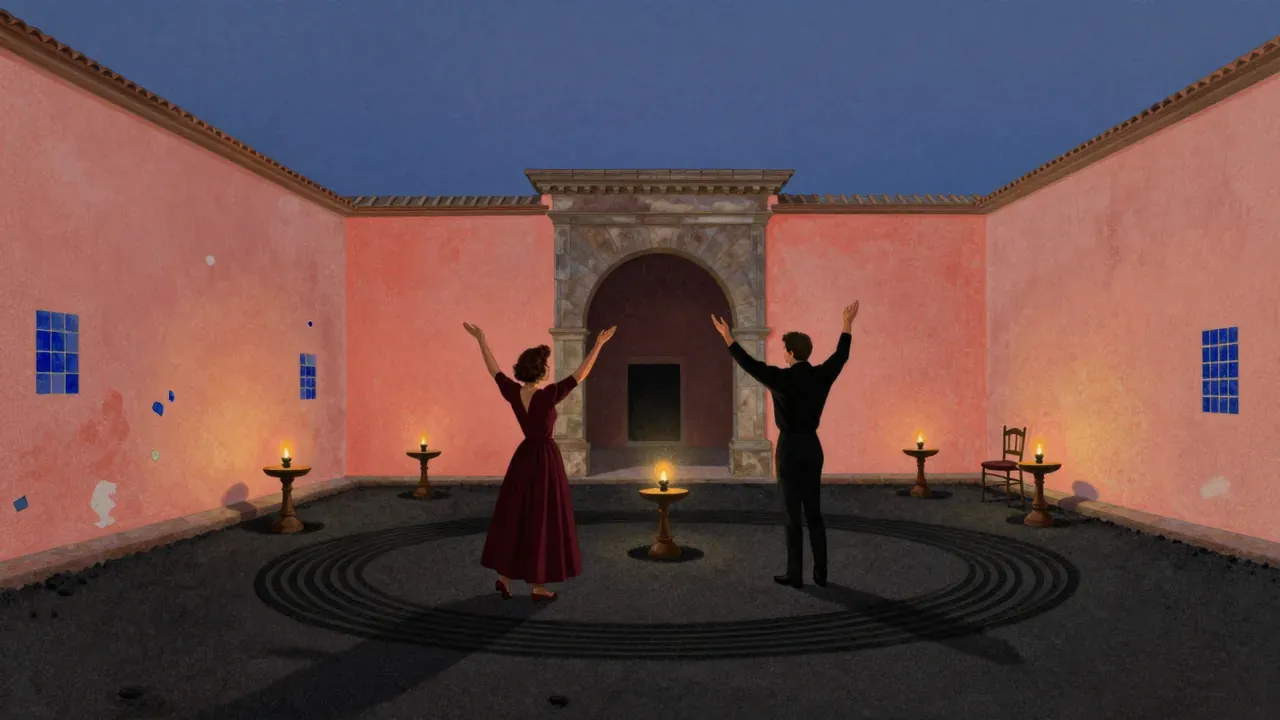
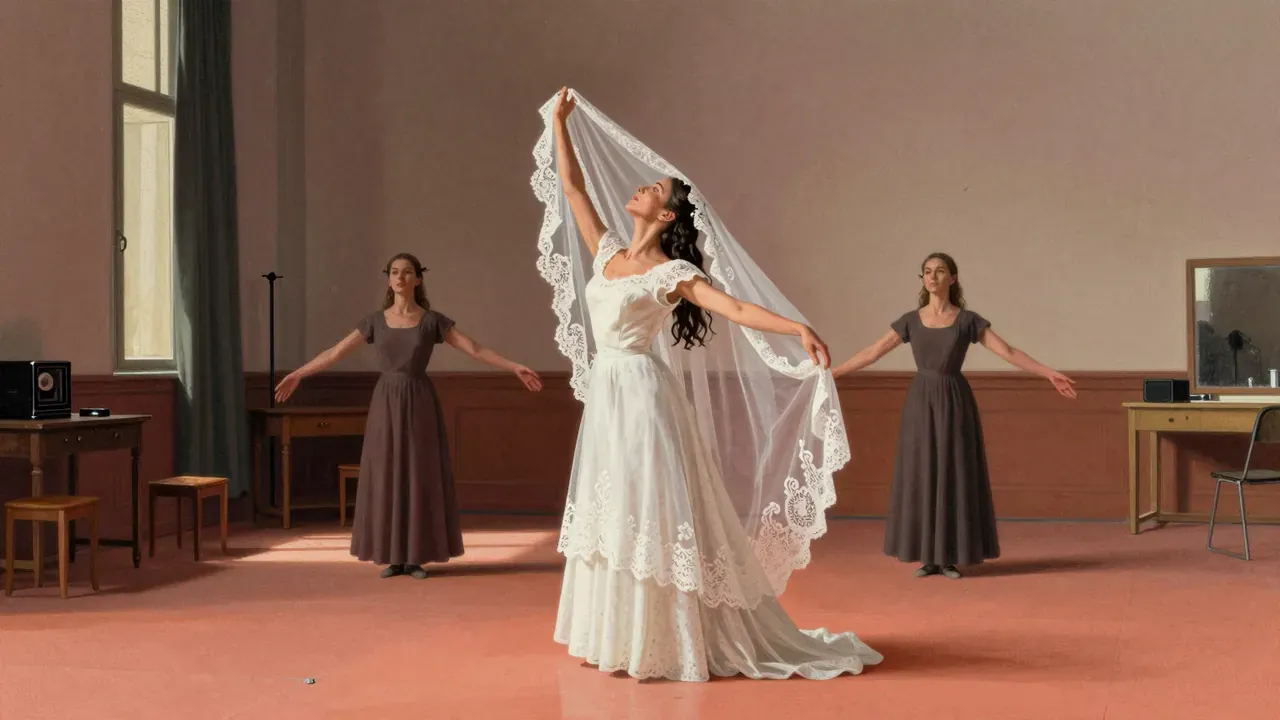
Carlos Saura’s 1981 Blood Wedding is a rigorously stripped-back flamenco staging of Federico García Lorca’s play, performed by Antonio Gades and company in a bare studio. With no sets, minimal props, and no spoken dialogue, it translates Lorca’s themes of blood, honour, and fate into choreography, percussion, and sustained physical presence. Teodoro Escamilla’s cinematography observes without embellishment; the film begins and ends with the dancers preparing — foregrounding labour, discipline, and collective authorship.
13:00

Carmen

Carlos Saura · 1983

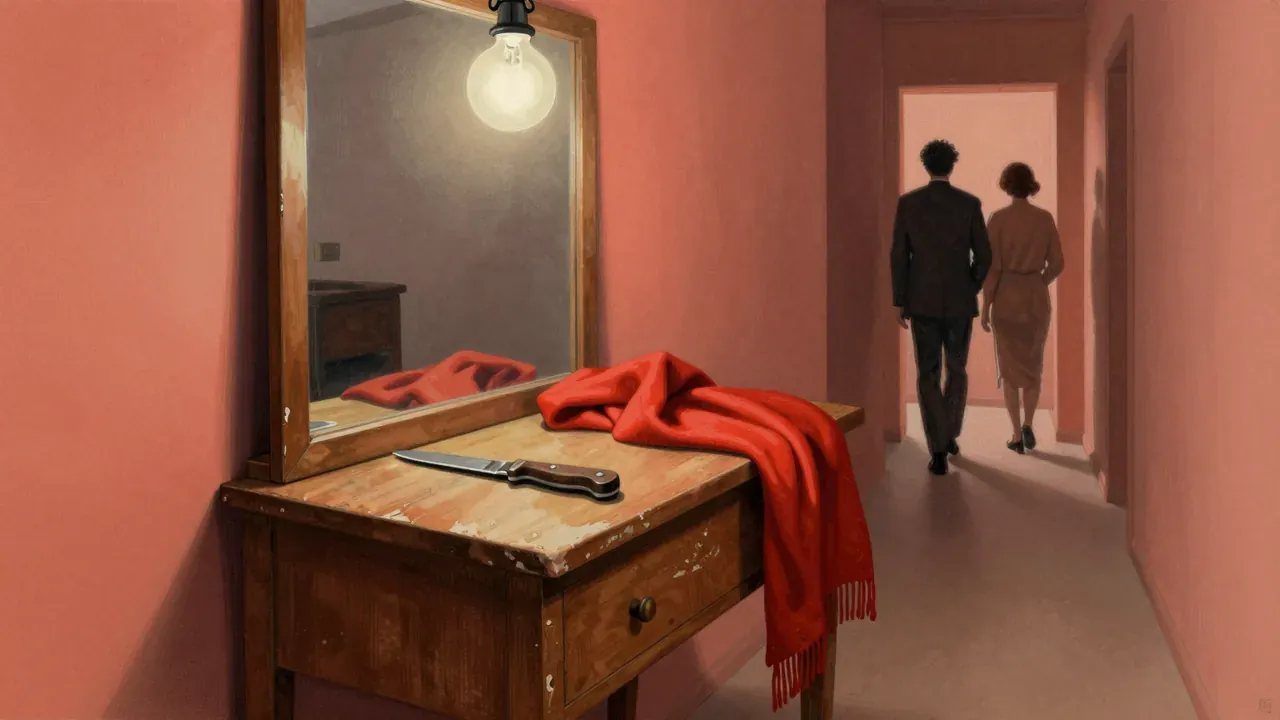
Carlos Saura’s 1983 Carmen follows a troupe of dancers rehearsing a flamenco adaptation of Bizet’s opera, as their off-stage relationships mirror the opera’s fatal arc. Shot in Spain by Teodoro Escamilla and scored by Paco de Lucía, the film blurs rehearsal and reality, using movement and music — not dialogue — to trace obsession, rivalry and violence. It won the BAFTA for Best Film Not in the English Language and was nominated for an Oscar.

13:00

Cría Cuervos

Carlos Saura · 1976

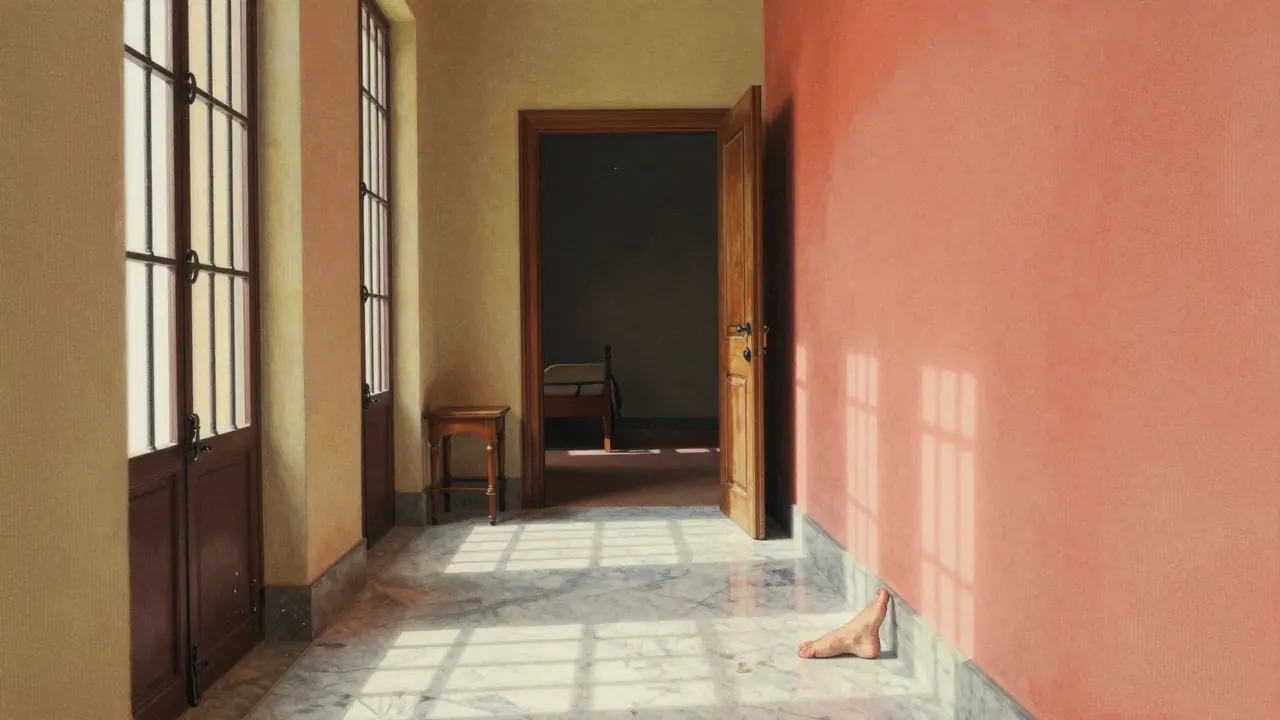
Cría Cuervos (1976), directed by Carlos Saura, follows eight-year-old Ana in the months after her father’s death and her mother’s earlier passing. Set in Madrid during the final days of Franco’s rule, the film moves through memory, fantasy and present-tense reality without clear demarcation. Ana Torrent’s performance anchors a study of childhood consciousness under pressure: guilt, care, silence and imagined agency all coexist in a large, quiet house. Teodoro Escamilla’s restrained cinematography and Federico Mompou’s sparse piano score deepen its atmosphere of suspended time. Though it won the Grand Prix at Cannes, its power lies not in pronouncement but in persistence — in what it refuses to name.

13:00

El Amor brujo

Carlos Saura · 1986

Carlos Saura’s 1986 El Amor brujo adapts Manuel de Falla’s ballet into a tightly wound flamenco drama starring Antonio Gades and Cristina Hoyos. Set in Andalusia, it follows Candela, haunted by her dead husband’s ghost, whose release requires a ritual dance with the woman he loved in life. Shot by Teodoro Escamilla and choreographed by María Pagès, the film subordinates narrative to rhythm, dialogue to zapateado, and psychology to physical repetition — making it less a ghost story than a study in embodied memory.