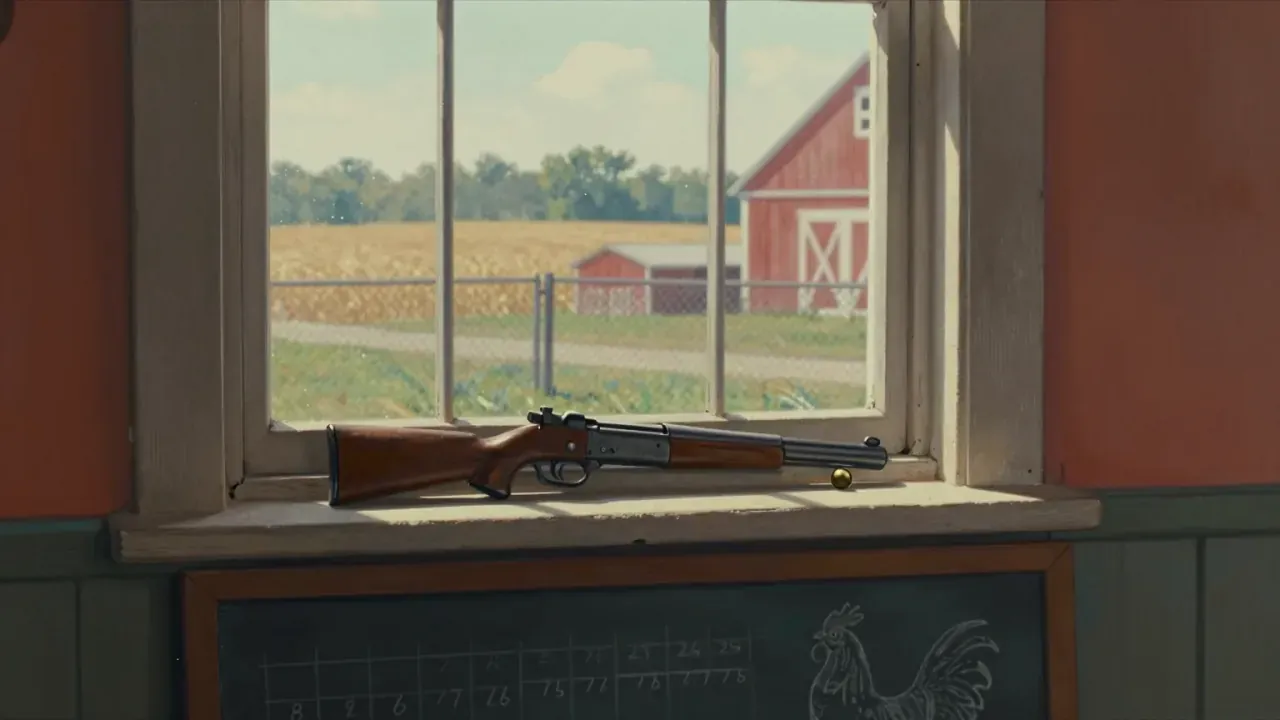
Gun Crazy
Joseph H. Lewis · 1950
A lean, unsentimental 1950 crime film tracing the steady collapse of moral choice in a young couple drawn into robbery and murder. Directed by Joseph H. Lewis with stark visual economy and anchored by Peggy Cummins and John Dall, it treats violence as consequence, not climax — and remains potent precisely because it refuses to explain itself.