Saved
Director · Cinematographer · 1900–1975

Arthur Crabtree

3
briefs
13:00
average
39 min
in total
On film.briefs3
13:00

Fiend Without a Face

Arthur Crabtree · 1958

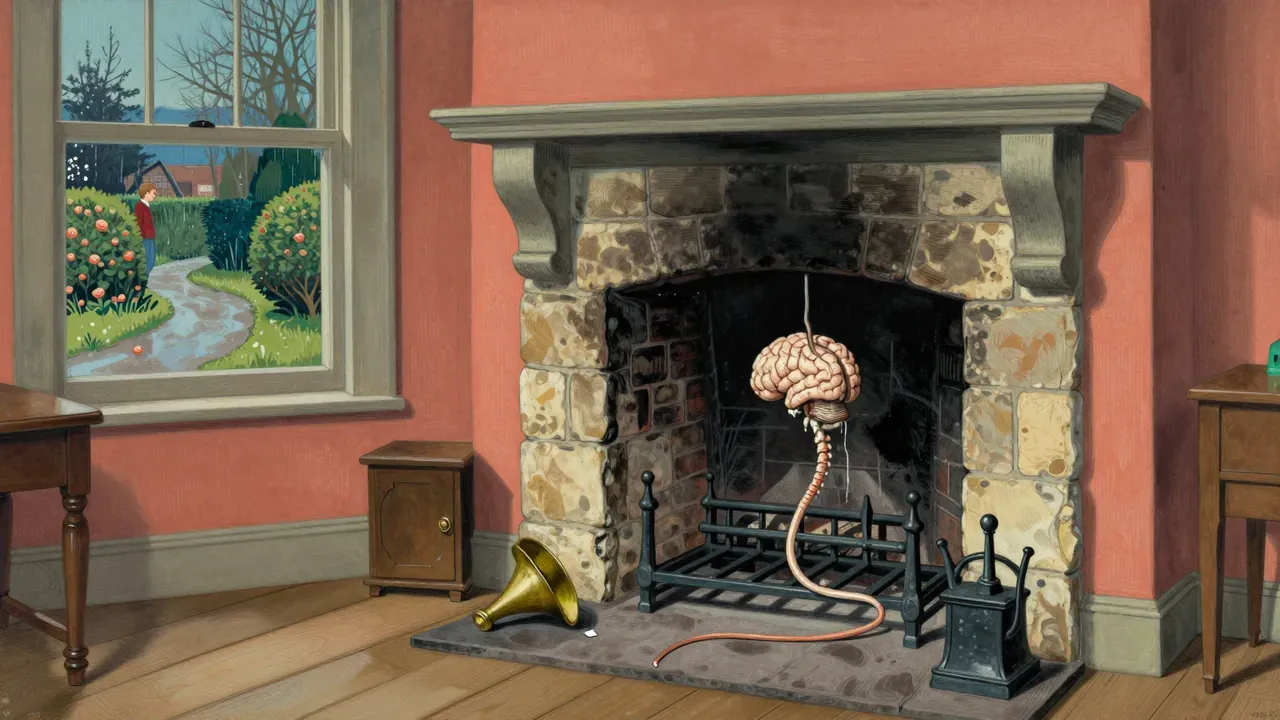
Fiend Without a Face (1958) is a British science fiction horror film directed by Arthur Crabtree, adapted from Amelia Reynolds Long’s short story 'The Thought Monster'. When a scientist’s experiments with thought projection intersect with nuclear-powered radar, invisible entities emerge — then materialise as flying brains with spinal cords and eyestalks. Made on a tight budget in England with stop-motion effects created in Munich, it builds slowly before delivering a memorably visceral climax. Though its first half drags and its setting feels generic, its commitment to anatomical horror and practical ingenuity has earned it enduring cult status.
13:00

Madonna of the Seven Moons

Arthur Crabtree, Roland Pertwee, Margery Lawrence · 1945

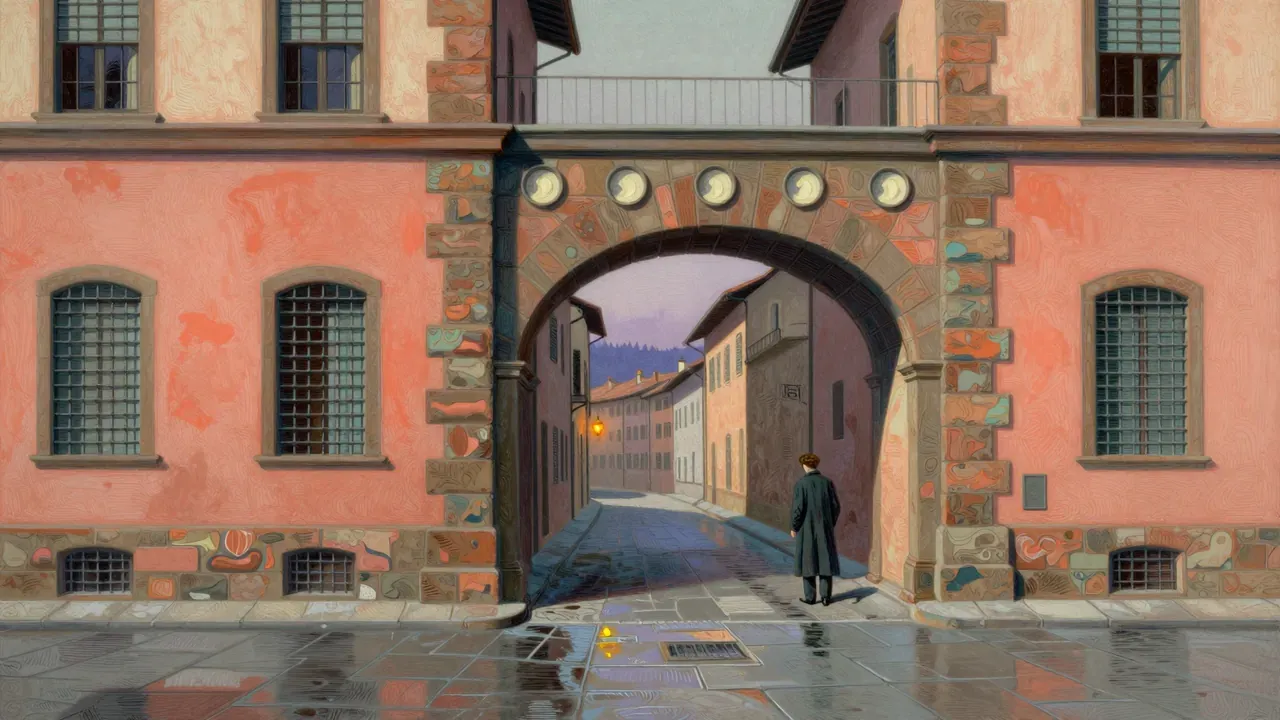
Madonna of the Seven Moons (1945) is a Gainsborough Pictures drama starring Phyllis Calvert as Maddalena Labardi, a woman whose childhood trauma manifests as a second personality. Set across three decades in Italy, it uses stark visual contrasts, controlled performances, and a tightly wound script to enact — not explain — dissociation. Jack E. Cox’s cinematography and Hans May’s score reinforce its rhythmic, ceremonial structure. Though dated in its psychology and reductive in its portrayal of marginal figures, it remains a lucid, self-contained example of British studio melodrama at its most assured.

13:00

The Man in Grey

Leslie Arliss · 1943

The Man in Grey (1943), directed by Leslie Arliss for Gainsborough Pictures, is a dual-timeline period drama adapting Eleanor Smith’s novel. In 1943 London, a Wren and an RAF pilot visit an auction; the event triggers a flashback to the early 1800s, where Clarissa Rohan’s loyalty to the ambitious, bitter Hesther Shaw sets in motion a chain of betrayal, coercion, and vengeance. Margaret Lockwood, James Mason, Phyllis Calvert, and Stewart Granger lead a cast defined by stark moral contrasts, supported by Arthur Crabtree’s expressive cinematography and a tightly wound studio aesthetic. It inaugurated the Gainsborough melodramas — escapist, emotionally direct, and formally assured.