Saved
Director · Screenwriter · 1926–2016

Andrzej Wajda

4
briefs
13:00
average
52 min
in total
On film.briefs4
13:00

A Generation

Andrzej Wajda · 1955

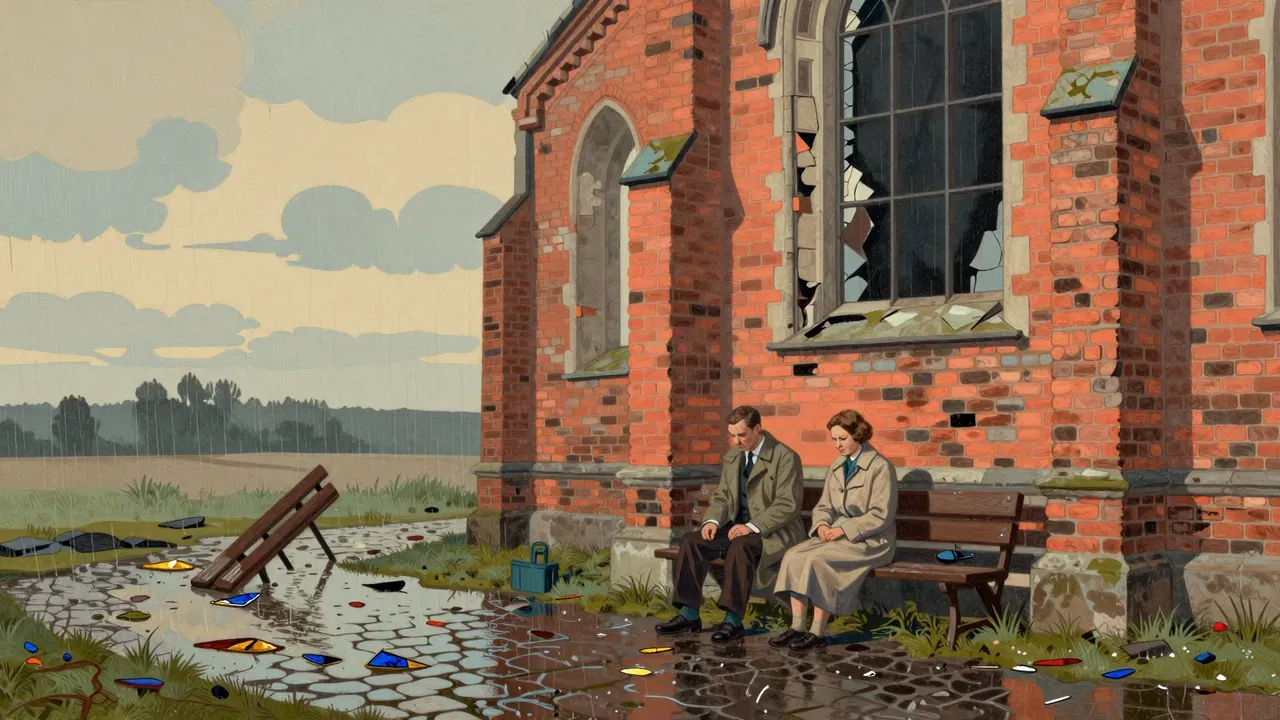
Andrzej Wajda’s 1955 debut A Generation follows two young men in Nazi-occupied Warsaw as they move from alienation to resistance within a communist underground cell. Shot on location in Wola with natural light and unvarnished performances, it grounds political commitment in workshop routines, shared silences, and the physical texture of daily survival. Though ideologically specific and formally austere, its power lies in its restraint — in what it shows, not what it tells.
13:00

Ashes and Diamonds

Andrzej Wajda · 1958

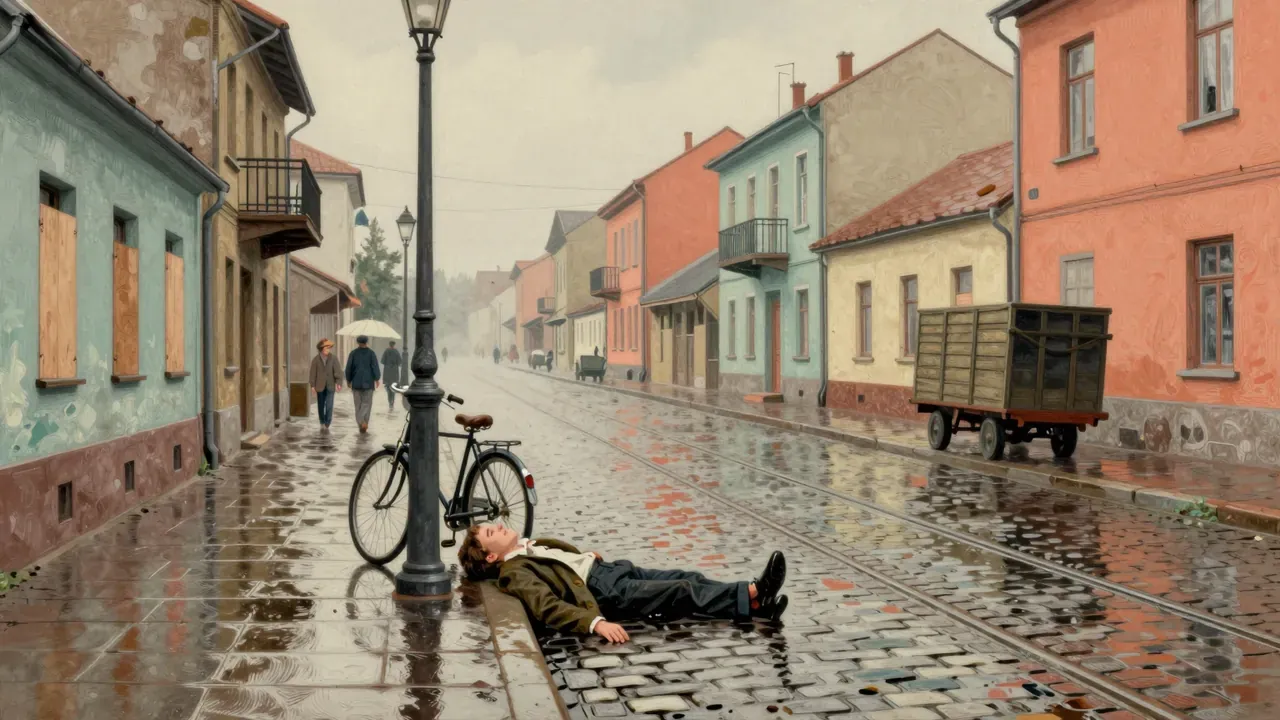
Andrzej Wajda’s 1958 drama Ashes and Diamonds compresses Poland’s postwar reckoning into a single rain-dampened day. Former Home Army soldier Maciek Chełmicki hesitates before carrying out an assassination order — not out of doubt about his cause, but from a growing awareness of time, mortality and connection. Shot in stark, intimate compositions by Jerzy Wójcik and anchored by Zbigniew Cybulski’s defining performance, it treats ideology as atmosphere rather than argument, and history as something felt in the body before it is understood in the mind.

13:00

Canal

Andrzej Wajda · 1957

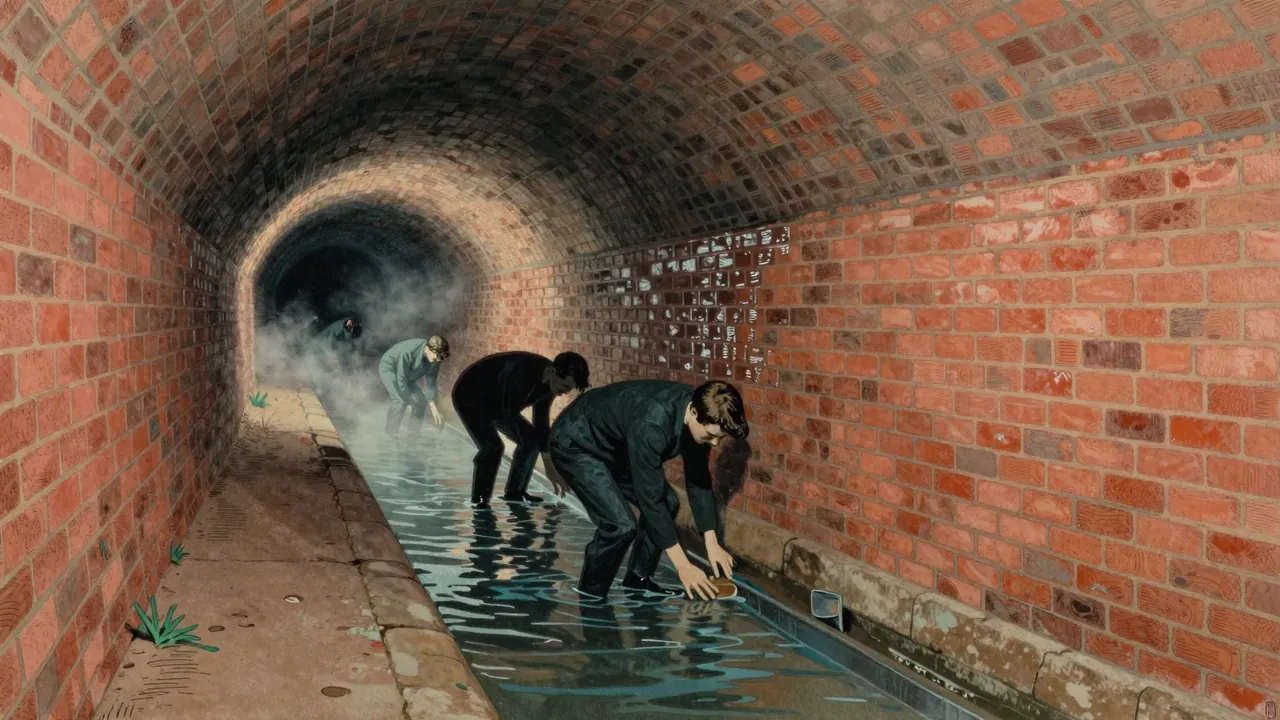
Andrzej Wajda’s 1957 film Canal follows a group of Polish Home Army fighters and civilians retreating through Warsaw’s sewers during the final days of the 1944 uprising. Adapted by veteran Jerzy Stefan Stawiński and shot by Jerzy Lipman, it uses tight framing, low light, and minimal music to render exhaustion, disorientation, and the erosion of command. There are no speeches, no flashbacks, no explanations — only movement, hesitation, and collapse. It is a war film without battle scenes, a drama without catharsis, and a landmark of Polish cinema for its unflinching formal rigour.

13:00

Danton

Andrzej Wajda · 1983

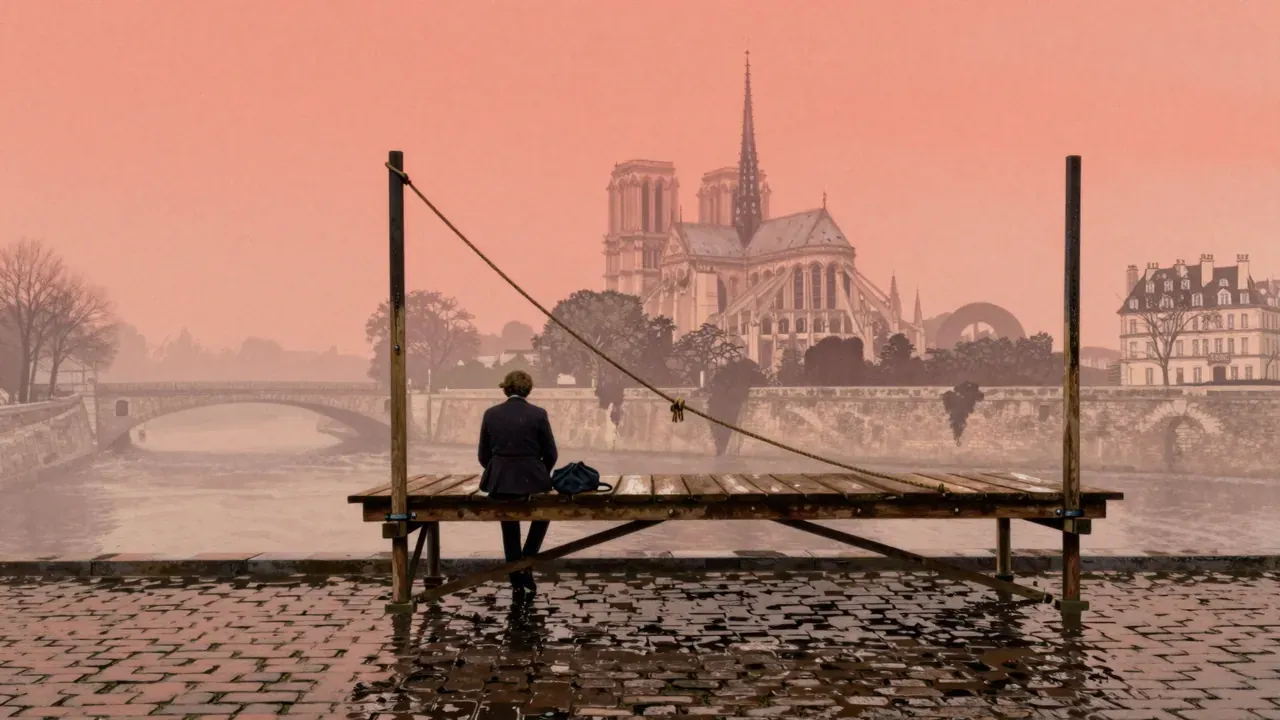
Andrzej Wajda’s 1983 Danton, starring Gérard Depardieu and Wojciech Pszoniak, dramatises the final weeks of Georges Danton during the Reign of Terror. Adapted from Stanisława Przybyszewska’s play, it avoids historical literalism in favour of stark political psychology — showing how revolutionary ideals curdle into bureaucratic violence. Shot in muted tones by Igor Luther, edited with deliberate gravity by Halina Prugar-Ketling, and scored sparingly by Jean Prodromidès, it rests on two towering, mutually corrosive performances. Though occasionally opaque in its plotting, its moral precision and formal restraint make it a defining arthouse drama of the Cold War era.