Saved
Director · 1930–2009

Allan King

5
briefs
13:00
average
65 min
in total
On film.briefs5
13:00

A Married Couple

Allan King · 1969

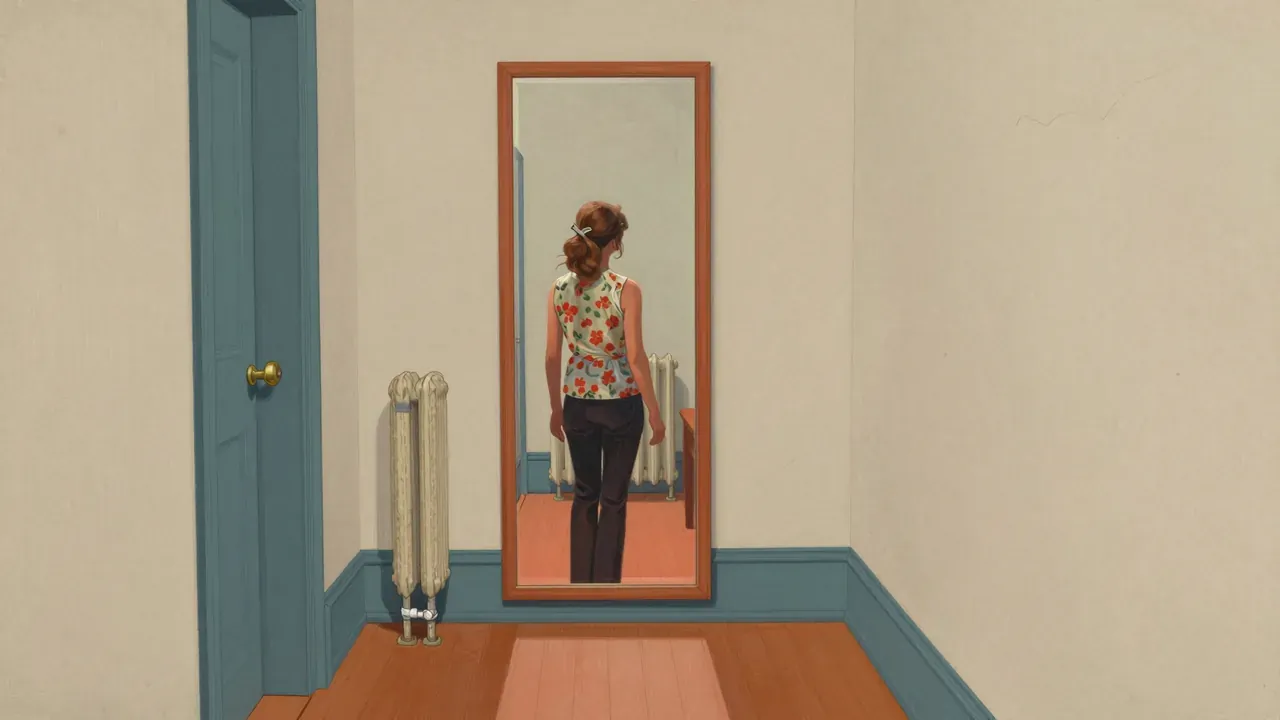
Allan King’s 1969 Canadian documentary observes Billy and Antoinette Edwards in their Toronto home for ten weeks, with no script, no direction during filming, and no narration. Shot by Richard Leiterman and edited by King, it presents marital life as unvarnished duration — arguments, tenderness, boredom, and silence unfolding without commentary. Though controversial on release for its explicitness and perceived voyeurism, it endures as a landmark of cinema vérité, testing whether sustained observation can reveal truths about intimacy that fiction and journalism obscure.
13:00

Come on Children

Allan King · 1973

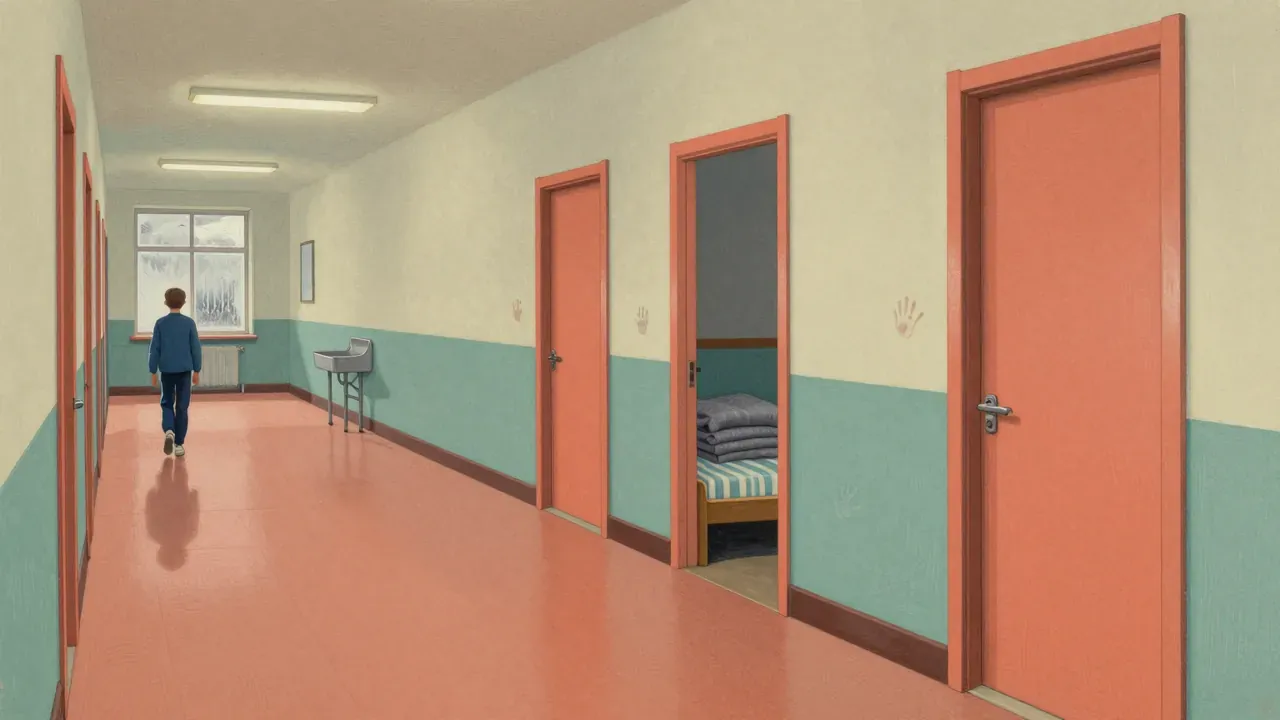
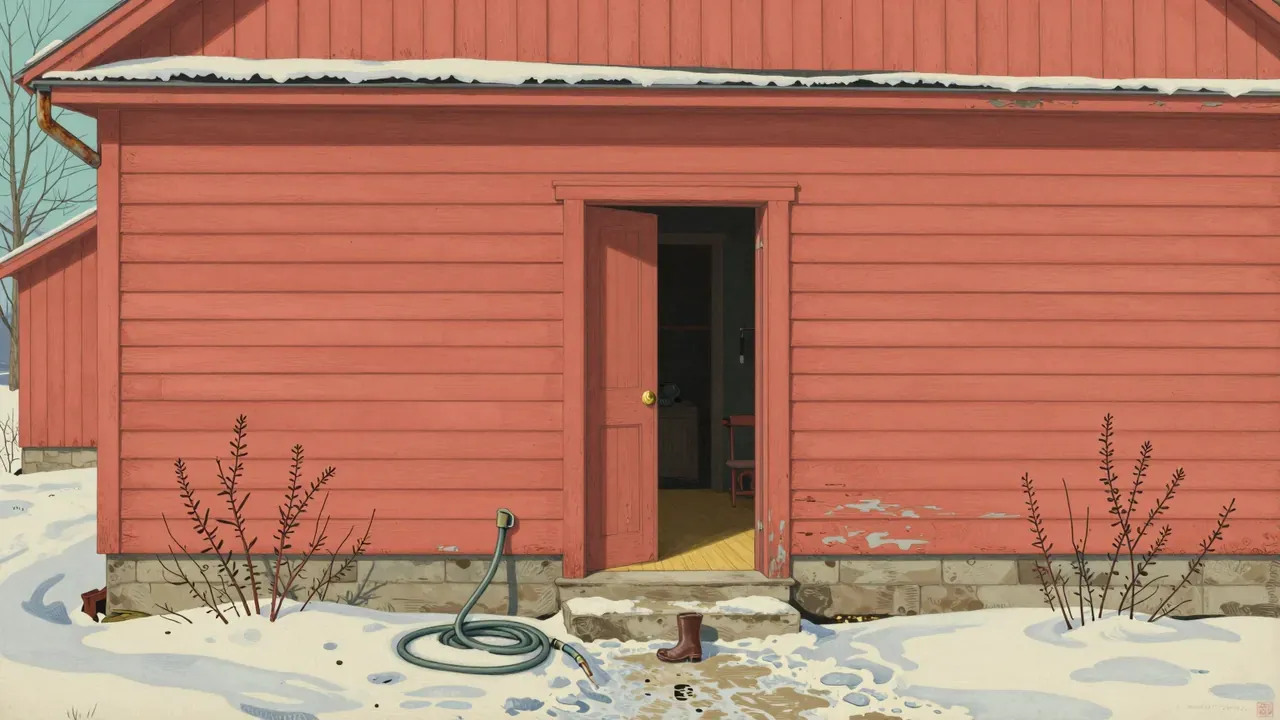
Allan King’s 1973 documentary observes Toronto teenagers living unsupervised on a rural Ontario farm for ten weeks. Filmed in early 1971 with no script, no narration beyond a brief opening statement, and no adult presence, it tracks their self-organisation, conflicts and quiet routines. Its power lies in sustained observation, not interpretation — a demanding, unsentimental portrait of adolescence as lived practice rather than developmental phase.

13:00

Dying at Grace

Allan King · 2003

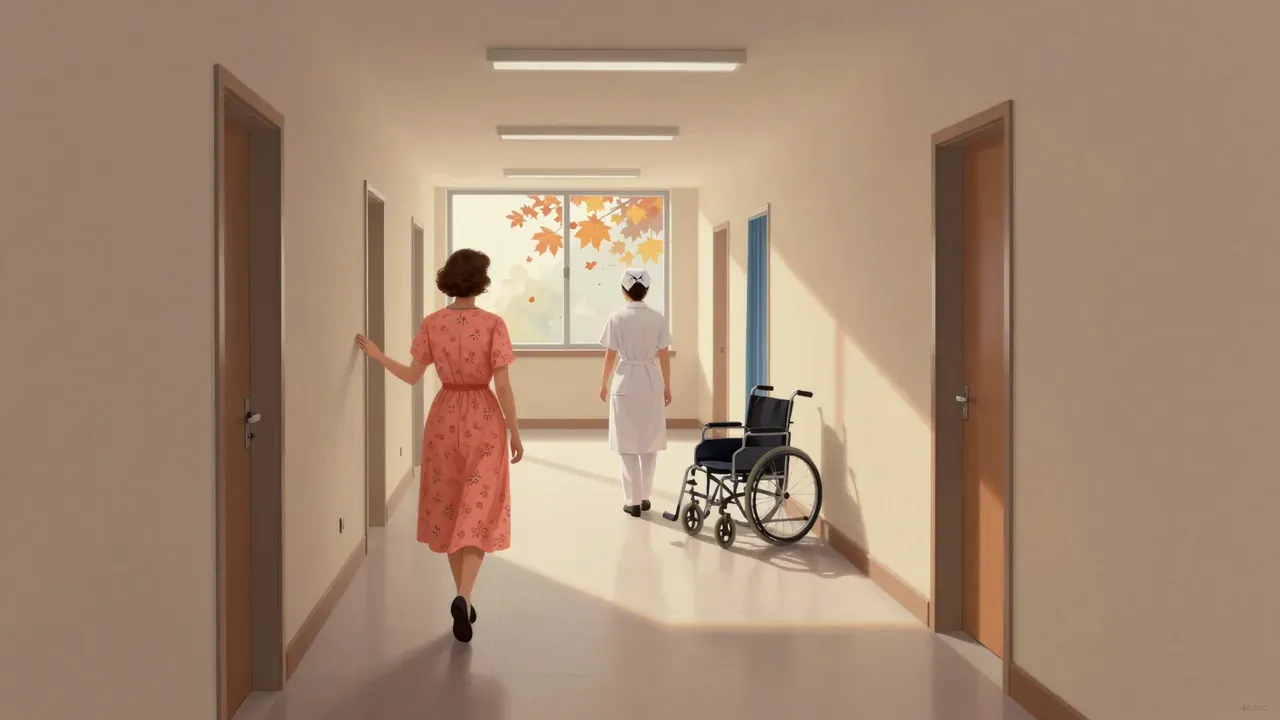
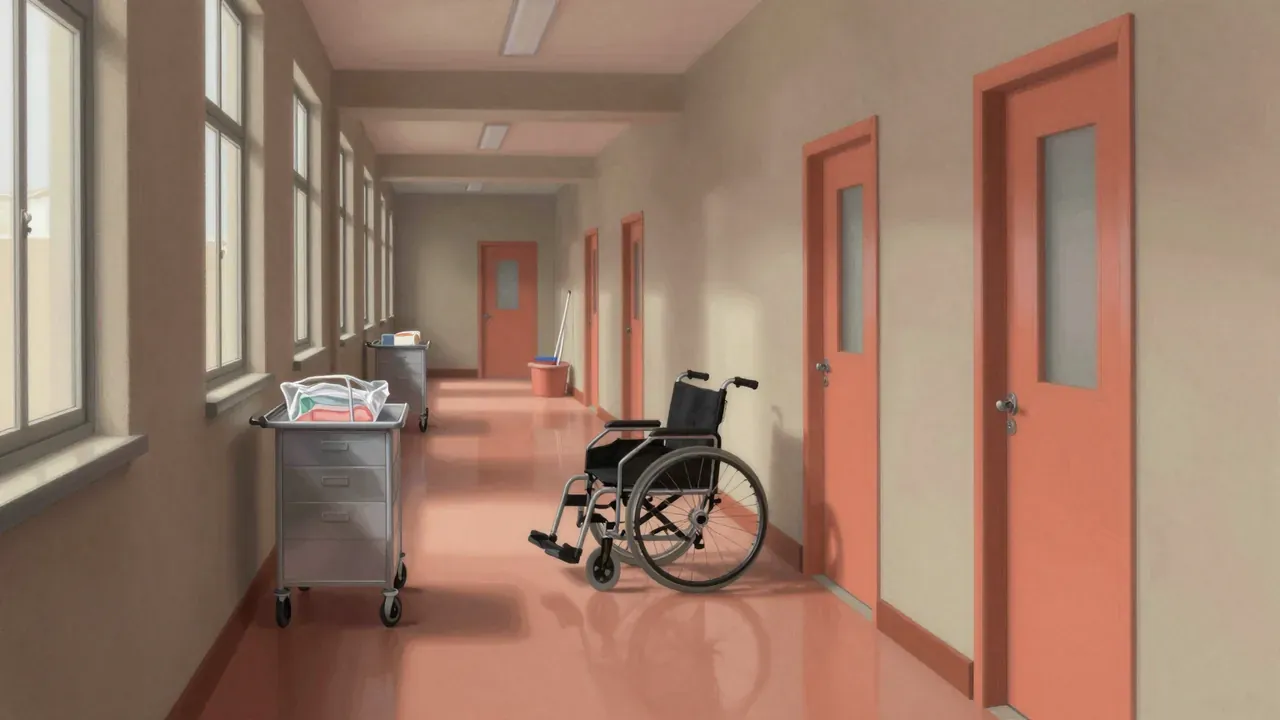
Allan King’s 2003 documentary Dying at Grace observes five patients in palliative care at Toronto Grace Health Centre over their final weeks. Shot with unwavering stillness and edited to honour silence and repetition, it refuses narration, exposition, or interpretation. Its power lies in duration, fidelity, and restraint — holding attention on breath, light, hesitation, and the quiet labour of care.

13:00

Memory for Max, Claire, Ida and Company

Allan King · 2005

Memory for Max, Claire, Ida and Company (2005) is a Canadian documentary by Allan King observing residents with dementia at Toronto’s Baycrest Health Sciences. Eschewing narration, interviews, or medical context, it relies on sustained observation, ambient sound, and unhurried editing to portray daily life with quiet rigour. The film premiered at TIFF 2005, was broadcast by TVOntario, and shortlisted for multiple Gemini Awards. It functions less as advocacy or education than as an ethical act of attention — one that asks viewers to recalibrate how they perceive continuity, agency, and personhood when memory changes shape.

13:00

Warrendale

Allan King · 1967

Allan King’s 1967 documentary observes life at the Warrendale Children’s Centre in Ontario, where emotionally disturbed children lived under intensive care. Shot in cinéma vérité style with no narration, interviews or score, it relies on sustained, unfiltered observation. The film provoked controversy for its raw depiction of outbursts and interventions, and was banned by CBC for profanity. It won top honours at Cannes and the Canadian Film Awards, and remains a landmark of observational documentary — demanding, uncompromising, and ethically precise.