Saved
Screenwriter · Director · 1948

Agnieszka Holland

4
briefs
13:00
average
52 min
in total
On film.briefs4
13:00

Danton

Andrzej Wajda · 1983

Andrzej Wajda’s 1983 Danton, starring Gérard Depardieu and Wojciech Pszoniak, dramatises the final weeks of Georges Danton during the Reign of Terror. Adapted from Stanisława Przybyszewska’s play, it avoids historical literalism in favour of stark political psychology — showing how revolutionary ideals curdle into bureaucratic violence. Shot in muted tones by Igor Luther, edited with deliberate gravity by Halina Prugar-Ketling, and scored sparingly by Jean Prodromidès, it rests on two towering, mutually corrosive performances. Though occasionally opaque in its plotting, its moral precision and formal restraint make it a defining arthouse drama of the Cold War era.
13:00

Europa Europa

Agnieszka Holland · 1990

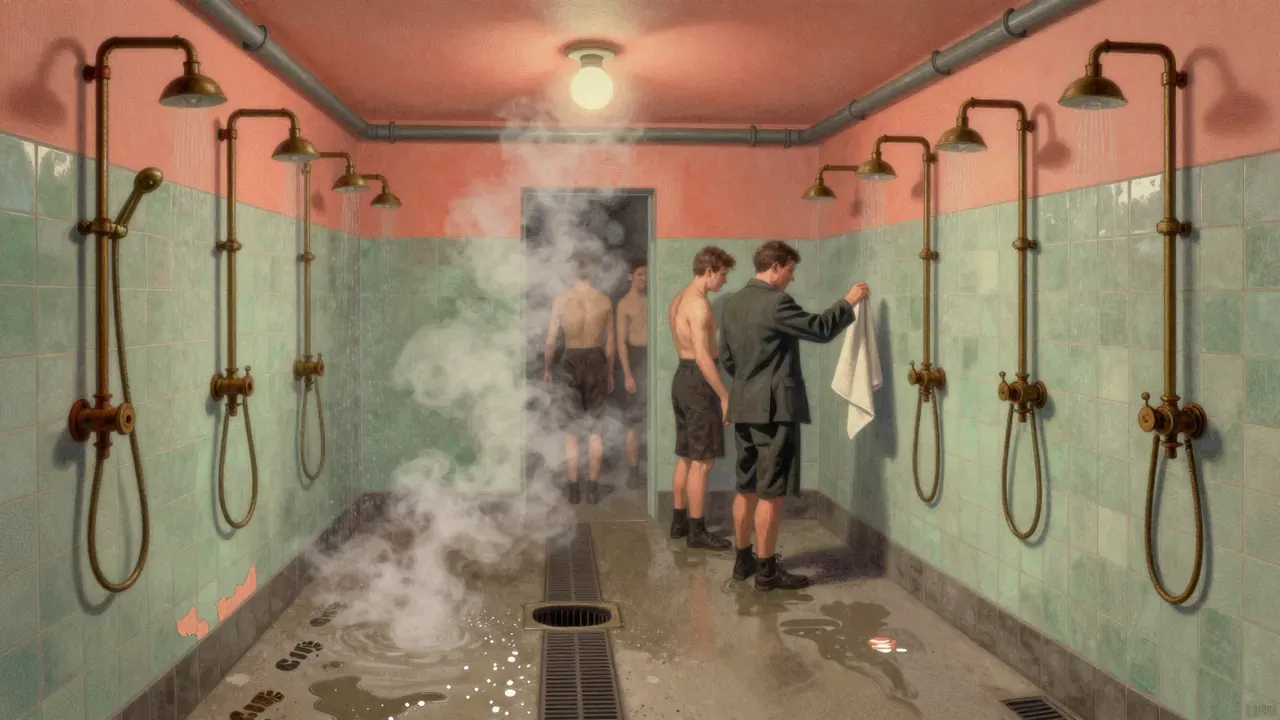
Europa Europa (1990), directed by Agnieszka Holland, adapts Solomon Perel’s memoir of surviving the Holocaust by posing as a German nationalist and joining the Hitler Youth. Shot in German by a French-Polish-German co-production, it follows Solek’s constant recalibration of identity across shifting front lines, languages, and ideologies — avoiding sentiment, exposition, or moral summation in favour of procedural tension and quiet precision.

13:00

Three Colours: Blue

Krzysztof Kieślowski · 1993

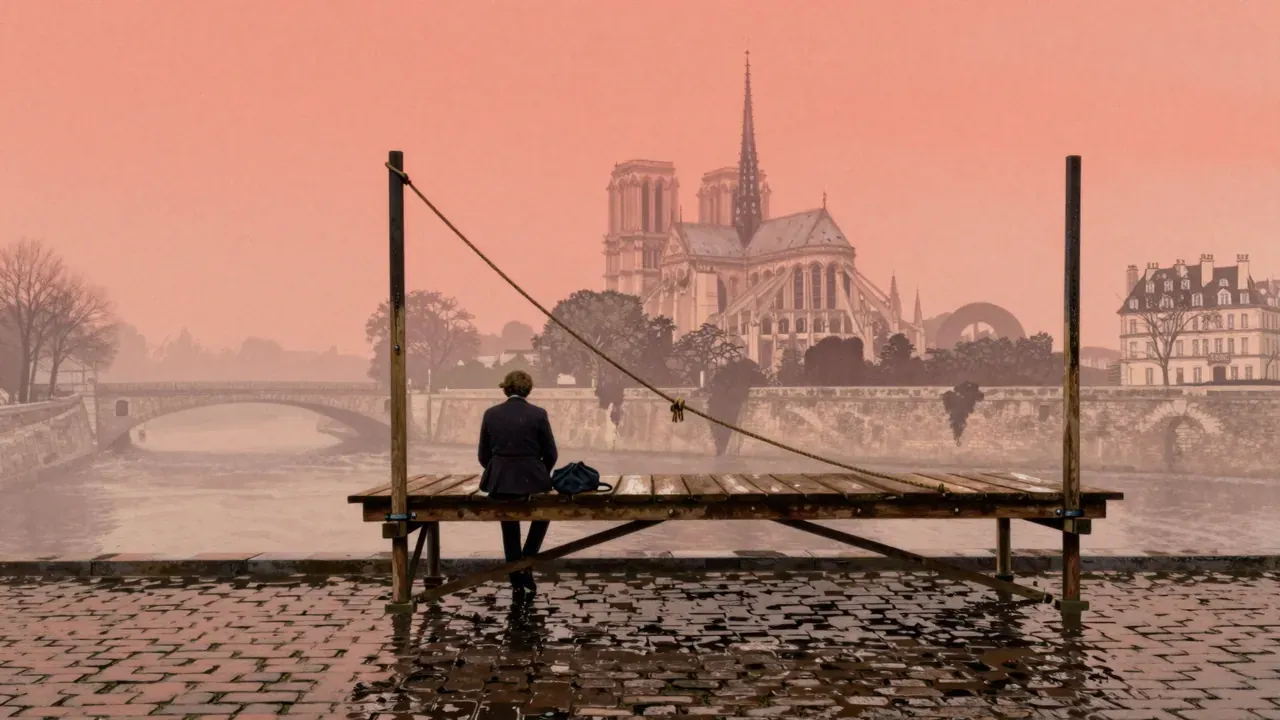
Krzysztof Kieślowski’s 1993 drama follows Julie (Juliette Binoche), a woman who attempts total emotional seclusion after losing her husband and daughter. Shot in Paris with deliberate blue tonality and scored by Zbigniew Preisner, the film traces her reluctant return to connection — not as recovery, but as re-embodiment. It is the first part of the Three Colours trilogy, themed on liberty, equality, and fraternity, with Blue interrogating liberty as an internal, not political, state.

13:00

Three Colours: White

Krzysztof Kieślowski · 1994

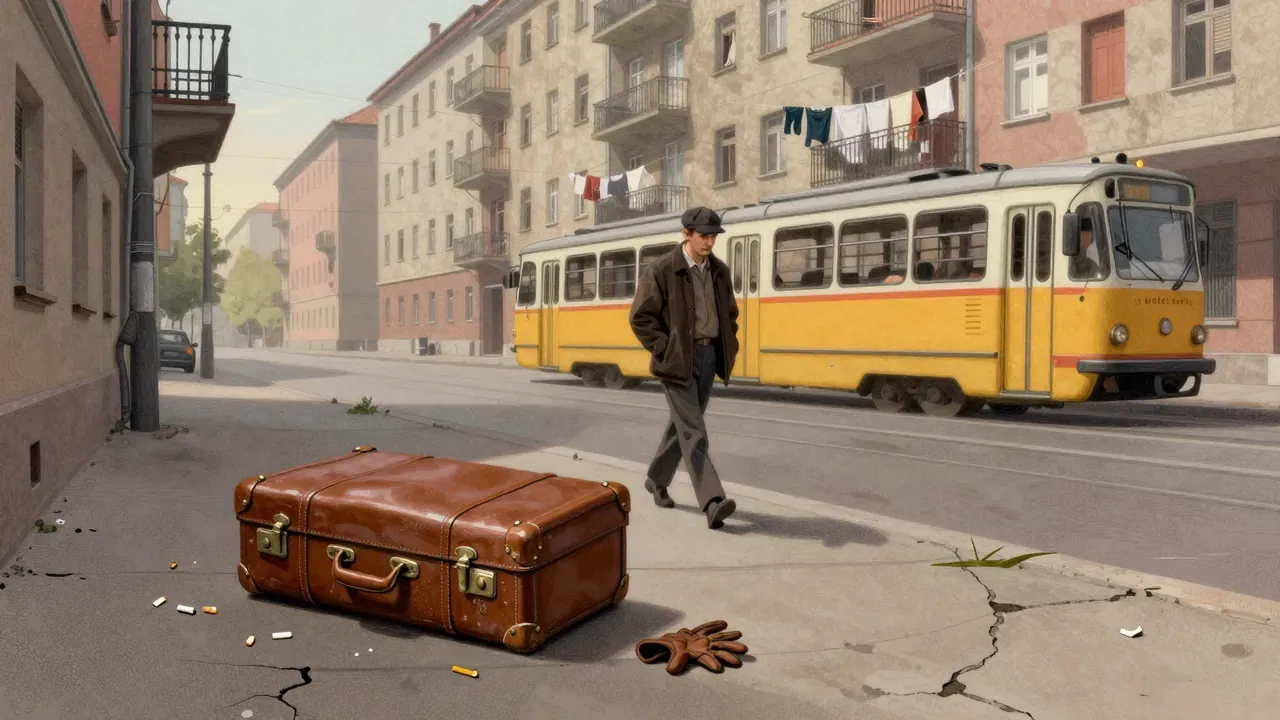
Krzysztof Kieślowski’s 1994 film Three Colours: White follows Polish barber Karol Karol’s fall from Parisian marriage into destitution, then his meticulous, ironic climb back to power in Warsaw — all to restore a sense of equality with the wife who discarded him. Shot by Edward Klosinski, scored by Zbigniew Preisner, and edited by Urszula Lesiak, it uses farce, restraint, and structural repetition to explore how balance is manufactured, not discovered. It is the second film in the Three Colours trilogy, themed on the French Revolutionary ideal of equality.