filmbriefs
Editor · 1923–2000

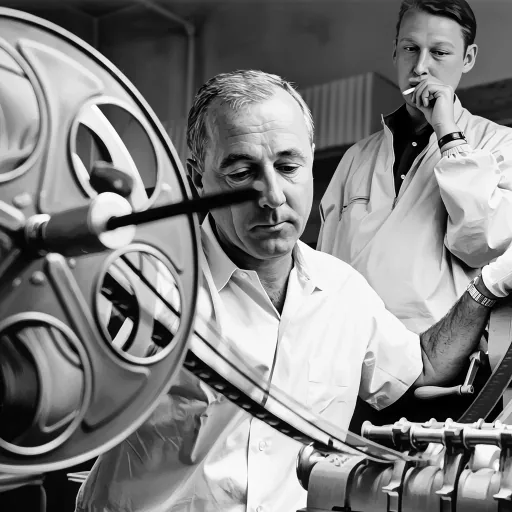
Sam O'Steen

6
briefs
13:00
average
78 min
in total
On film.briefs6
13:00

Rosemary's Baby

Roman Polanski · 1968

Roman Polanski’s 1968 adaptation of Ira Levin’s novel follows Mia Farrow as Rosemary Woodhouse, a young wife who suspects her neighbours and husband are conspiring over her pregnancy. Shot with clinical precision by William A. Fraker and edited with unobtrusive rigour, the film sustains tension through accumulation — not revelation. Its power lies in what remains unsaid, unconfirmed, and unchallenged: a portrait of gaslighting as architecture, paranoia as logic, and horror as domestic routine.
13:00

The Graduate

Mike Nichols · 1967

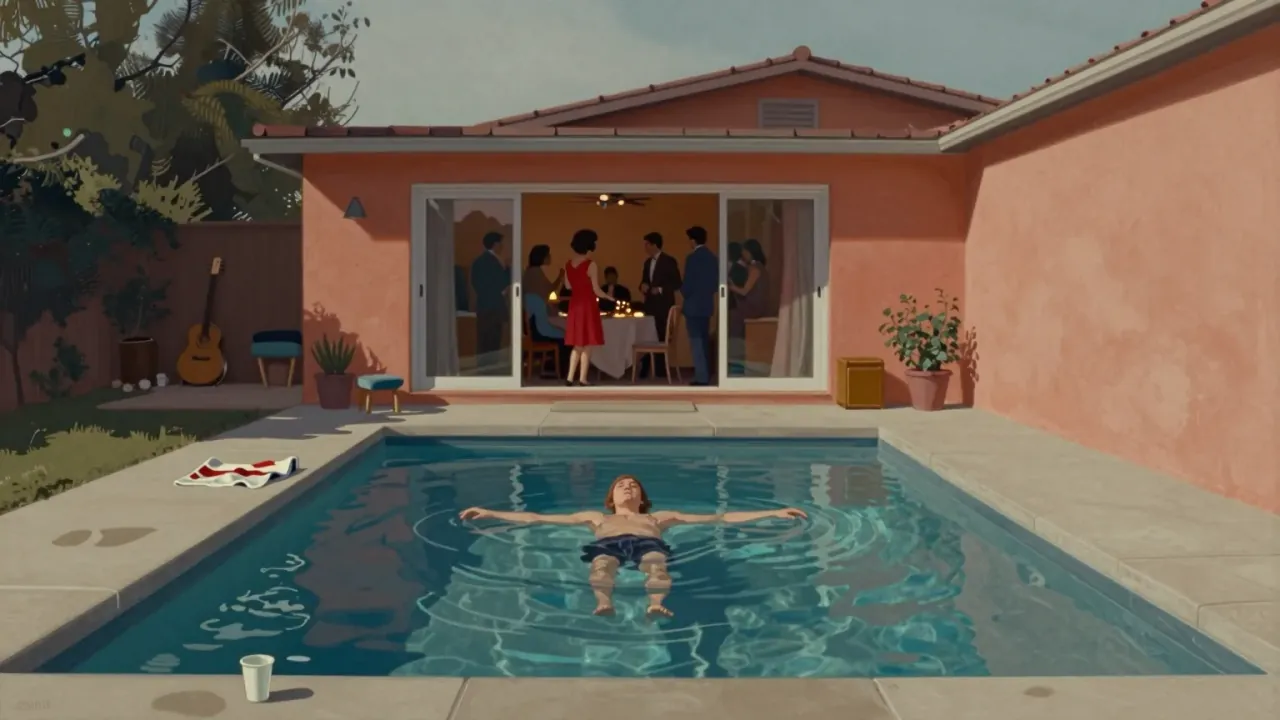
Mike Nichols’ 1967 comedy-drama follows Benjamin Braddock, a recent graduate adrift in his parents’ Pasadena home, as he navigates seduction by Mrs. Robinson and infatuation with her daughter Elaine. Built on Dustin Hoffman’s restrained performance, Robert L. Surtees’ unadorned cinematography, and a Simon & Garfunkel–scored soundscape, it treats transition not as progress but as suspension — holding still long enough to see how social scripts smother agency.

13:00

Working Girl

Mike Nichols · 1988

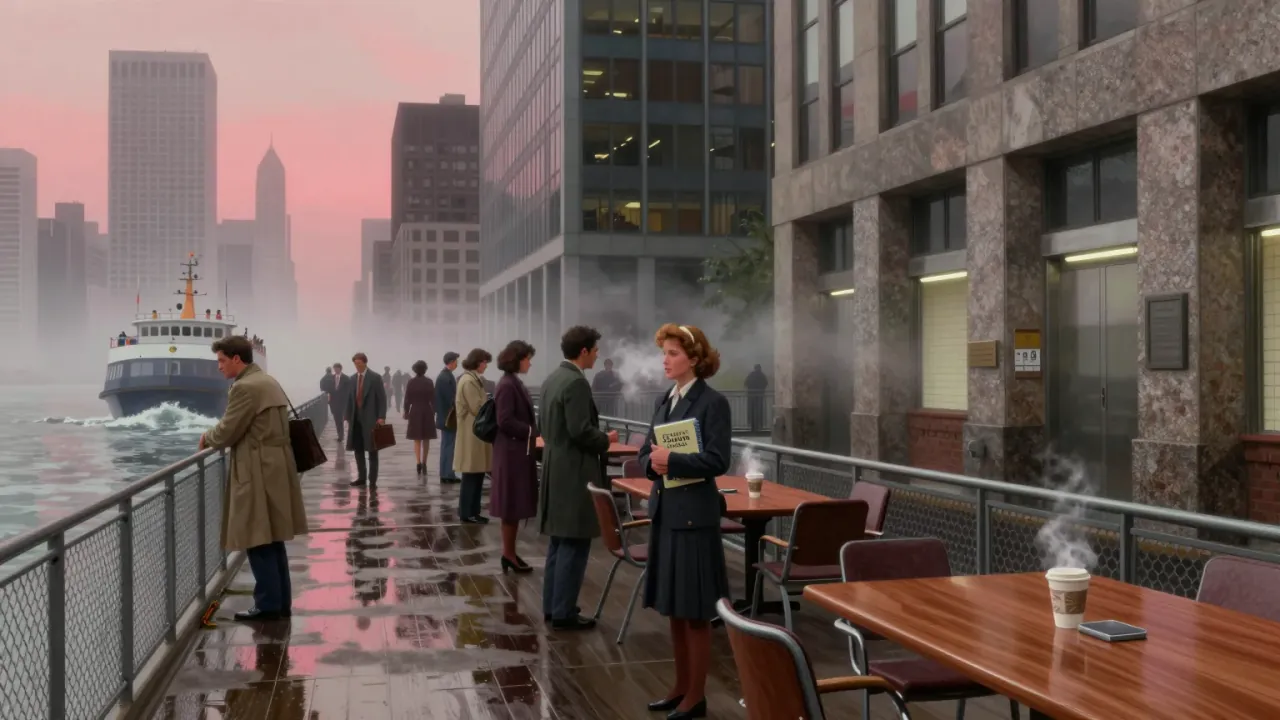
Working Girl (1988), directed by Mike Nichols, follows Tess McGill, a Staten Island secretary with a night-school business degree, as she navigates corporate Manhattan. After being fired from one brokerage, she lands a job with Katharine Parker at Petty Marsh — only to discover her boss intends to steal her idea for a radio-network acquisition. When Katharine breaks her leg, Tess steps in, borrows her wardrobe, and executes the deal herself. Melanie Griffith, Harrison Ford, and Sigourney Weaver anchor a tightly written, visually controlled film that treats ambition as procedural, not mythical — and success as earned, narrow, and reversible.

13:00

Carnal Knowledge

Mike Nichols · 1971

Mike Nichols’ 1971 Carnal Knowledge follows two men across twenty-five years as their relationships with women deteriorate not through crisis but through repetition, habit, and emotional default. Adapted from Jules Feiffer’s play, it uses flat lighting, restrained performances, and unadorned editing to chart how language, routine and performance replace intimacy. Starring Jack Nicholson, Art Garfunkel, Ann-Margret and Candice Bergen, it remains a cold, structurally rigorous study of masculinity and desire — admired for its honesty, challenged for its austerity.

13:00

Postcards from the Edge

Mike Nichols · 1990

Postcards from the Edge (1990), directed by Mike Nichols and adapted by Carrie Fisher from her semi-autobiographical novel, follows actress Suzanne Vale’s return to work after a drug overdose, contingent on living with her formidable mother Doris. Anchored by Meryl Streep and Shirley MacLaine, it uses Hollywood’s machinery — insurance riders, on-set critiques, studio politics — as the frame for a sharp, unsentimental study of intergenerational inheritance, performance as survival, and the quiet labour of staying sober without mythologising it.

13:00

Chinatown

Roman Polanski · 1974

Chinatown sends Jack Nicholson's private investigator into a municipal water scandal modelled on the early-twentieth-century disputes that built Los Angeles, opposite Faye Dunaway and John Huston. Robert Towne's script won the film's only Oscar from eleven nominations, but the ending that gives the film its reputation was Polanski's, forced through over the writer's objections, and it is worth knowing which parts of the film are whose before deciding what the story is actually arguing.