
Saved
Director · 1899–1983

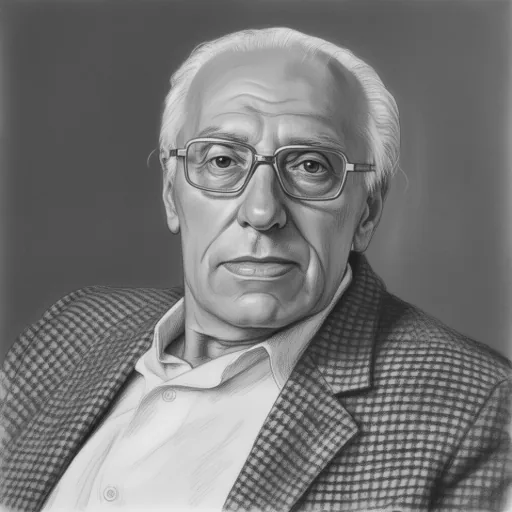
George Cukor

3
briefs
13:00
average
39 min
in total
On film.briefs3
13:00

Holiday

George Cukor · 1938

George Cukor’s 1938 Holiday adapts Philip Barry’s play into a precise, unhurried romantic comedy about Johnny Case, a self-made banker who plans to retire at thirty, and Linda Seton, the restless daughter of a banking dynasty. Set in a gilded Park Avenue mansion, it tests whether personal integrity can survive assimilation into inherited privilege. Katharine Hepburn and Cary Grant anchor a literate, understated performance style; Franz Planer’s cinematography and Otto Meyer’s editing sustain quiet rhythm over speed. Though rooted in the stage, it resists theatrical artifice, trusting dialogue and gesture over exposition. Nominated for Best Art Direction, it holds a 100% Tomatometer score but was not a box-office success — a film that rewards attention, not immersion.


13:00

One Hour with You

Ernst Lubitsch, George Cukor · 1932

One Hour with You (1932) is a Paramount romantic musical comedy directed by Ernst Lubitsch with George Cukor, starring Maurice Chevalier and Jeanette MacDonald. Adapted from Lothar Schmidt’s play and Lubitsch’s own 1924 film, it follows a Parisian doctor whose marital calm is gently disrupted by his wife’s flirtatious friend. With Oscar Straus’s score and Samson Raphaelson’s script, it prioritises wit, timing, and surface elegance over psychological depth — a polished, pre-Code exercise in controlled charm.

13:00

The Philadelphia Story

George Cukor · 1940

George Cukor’s 1940 romantic comedy adapts Philip Barry’s play with surgical fidelity, following Katharine Hepburn’s Tracy Lord as she navigates remarriage, journalism, and self-reckoning within Philadelphia high society. Written by Donald Ogden Stewart, shot by Joseph Ruttenberg, and performed with precise wit by Hepburn, Cary Grant, and James Stewart, it exemplifies the ‘comedy of remarriage’ genre — elegant, verbally dense, and emotionally contained. Though insulated from broader social forces, its focus on performance, privilege, and self-knowledge remains quietly radical in its restraint.