filmbriefs
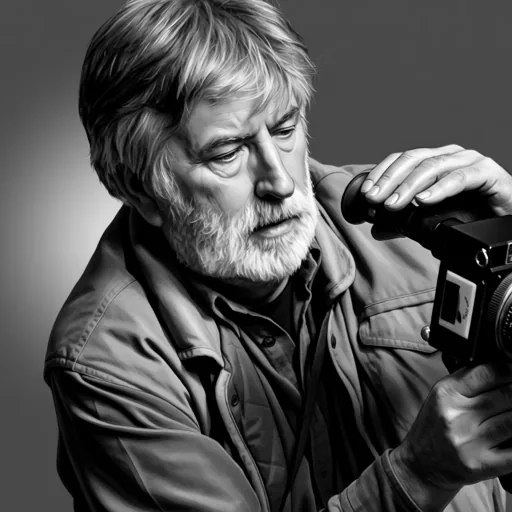
Cinematographer · Screenwriter · 1943–2008

Edward Klosinski

3
briefs
13:00
average
39 min
in total
On film.briefs3
13:00

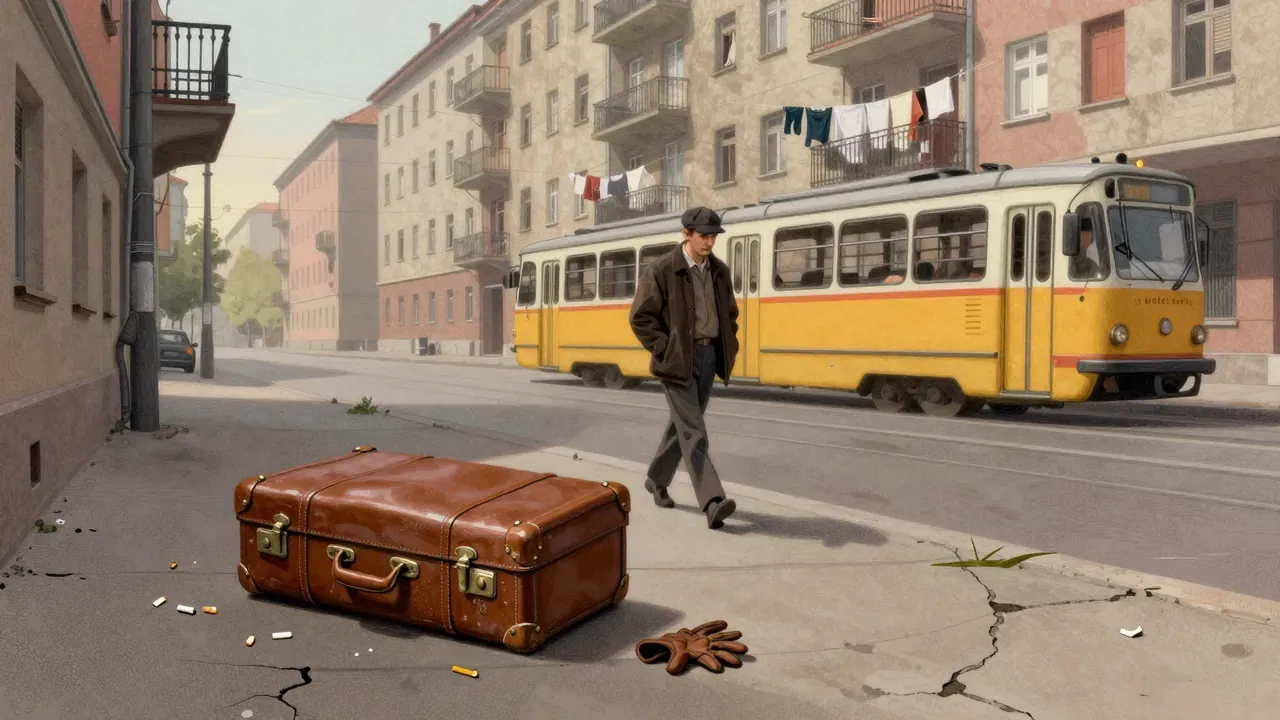
Three Colours: White

Krzysztof Kieślowski · 1994

Krzysztof Kieślowski’s 1994 film Three Colours: White follows Polish barber Karol Karol’s fall from Parisian marriage into destitution, then his meticulous, ironic climb back to power in Warsaw — all to restore a sense of equality with the wife who discarded him. Shot by Edward Klosinski, scored by Zbigniew Preisner, and edited by Urszula Lesiak, it uses farce, restraint, and structural repetition to explore how balance is manufactured, not discovered. It is the second film in the Three Colours trilogy, themed on the French Revolutionary ideal of equality.
13:00

The Decalogue

Krzysztof Kieślowski · 1989

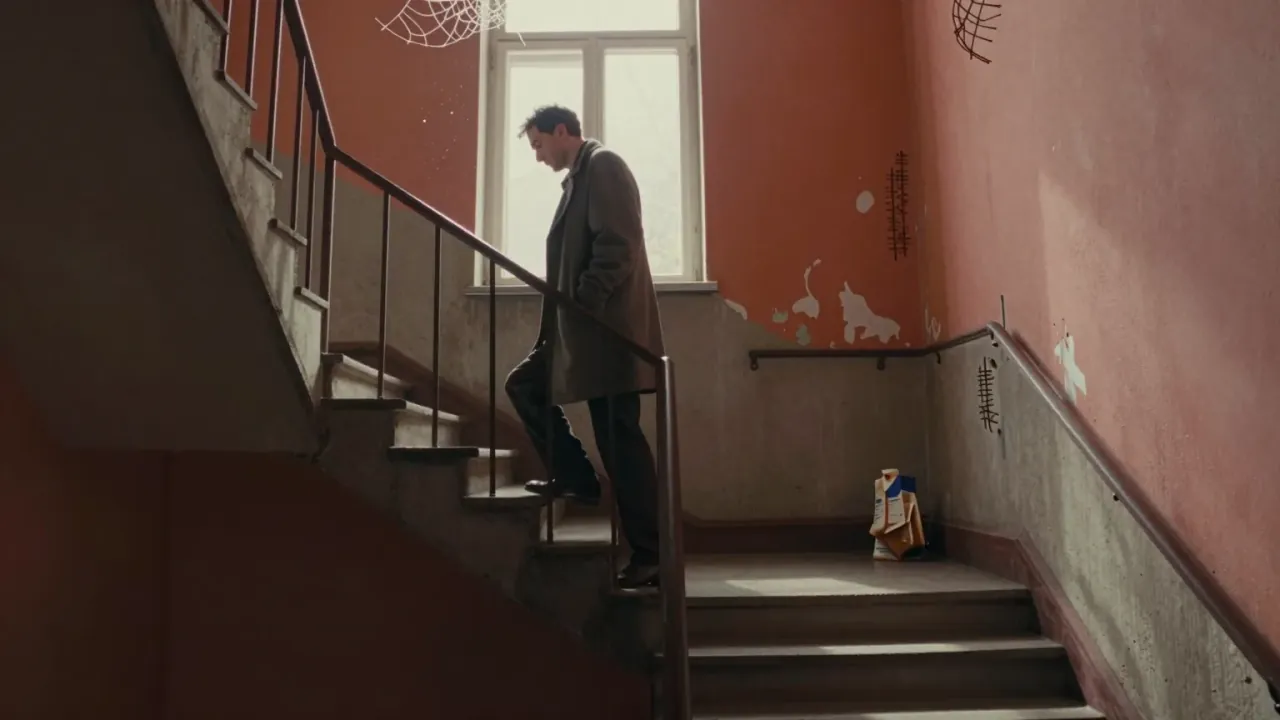
Krzysztof Kieślowski’s 1989 ten-part Polish television series The Decalogue explores everyday ethical dilemmas in a Warsaw housing estate. Each self-contained episode, written with Krzysztof Piesiewicz and shot by three cinematographers, treats a moral question loosely linked to one of the Ten Commandments — without naming them, without preaching, and without resolution. Starring Artur Barciś, Krystyna Janda, and others, and scored by Zbigniew Preisner, it is a study in restraint: in performance, image, sound, and consequence.

13:00

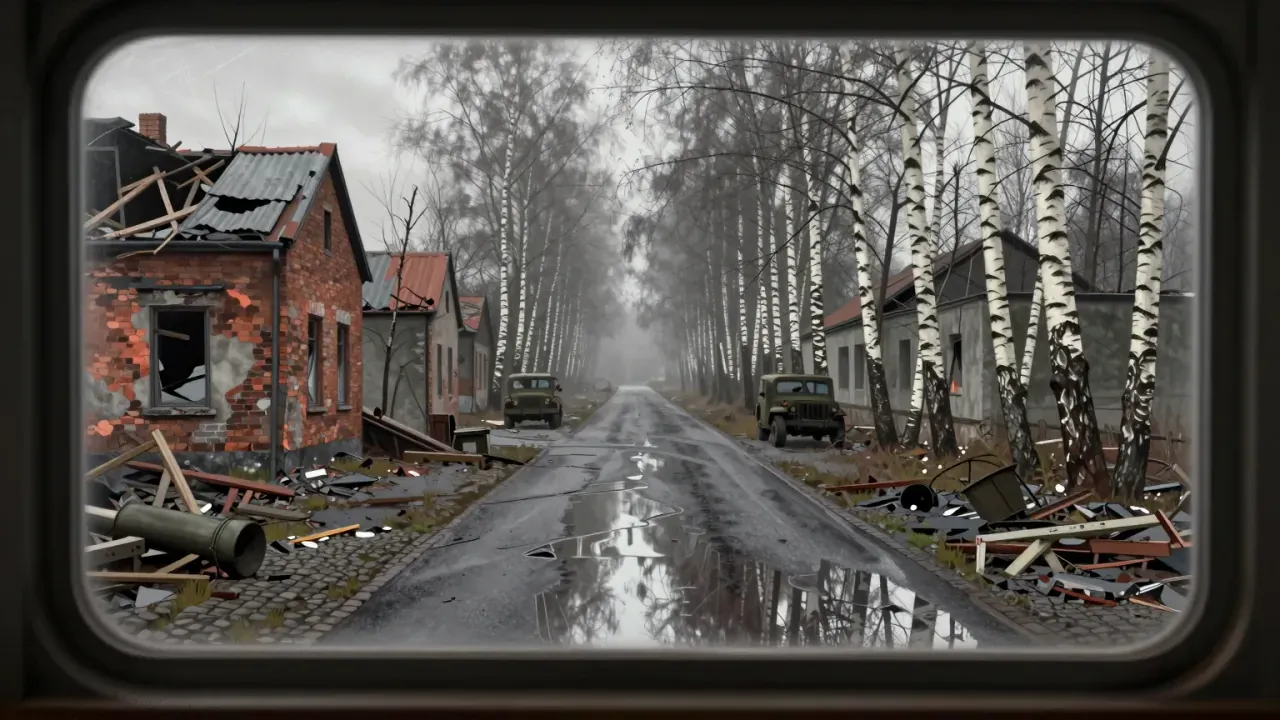
Europa

Lars von Trier · 1991

Lars von Trier’s 1991 arthouse drama Europa uses stark black-and-white cinematography, surreal superimpositions, and second-person narration to tell the story of an American railway conductor drawn into the moral quicksand of occupied Germany. Set against a fictional railway network named Zentropa, the film explores complicity, betrayal, and the impossibility of neutrality in a compromised world. Its formal rigour is uncompromising; its emotional register, deliberately austere.