filmbriefs
Director · Screenwriter · Editor

Bo Widerberg

4
briefs
13:00
average
52 min
in total
On film.briefs4
13:00

Ådalen 31

Bo Widerberg · 1969

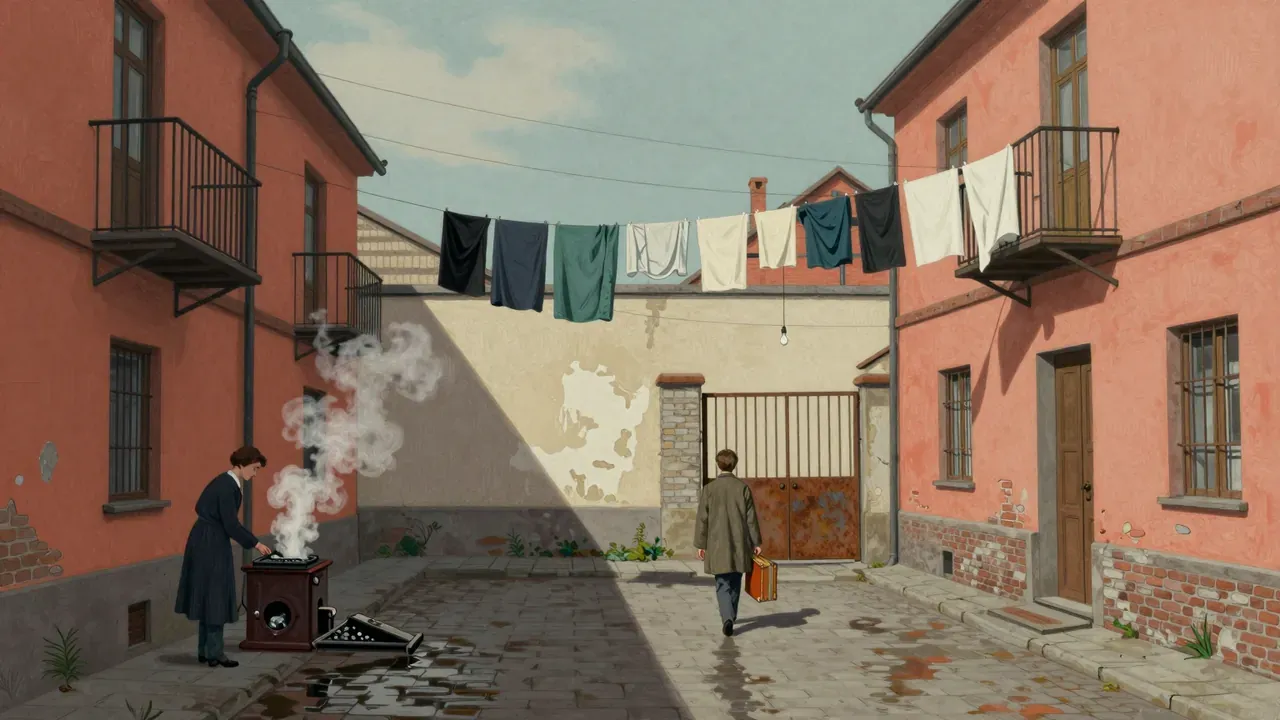
Bo Widerberg’s 1969 Swedish drama Ådalen 31 reconstructs the 1931 Ådalen shootings through the daily life of the working-class Andersson family. Anchored by Peter Schildt and Roland Hedlund, it traces springtime tensions between strikers and strikebreakers in northern Sweden, culminating in a military massacre that kills five. Shot by Jörgen Persson with deliberate restraint, it avoids polemic in favour of tactile realism — fishing, jazz, French lessons, abortion, grief — making ideology legible through habit, not speech. It won the Cannes Grand Prix and remains a landmark of socially engaged arthouse cinema.
13:00

Barnvagnen

Bo Widerberg · 1963

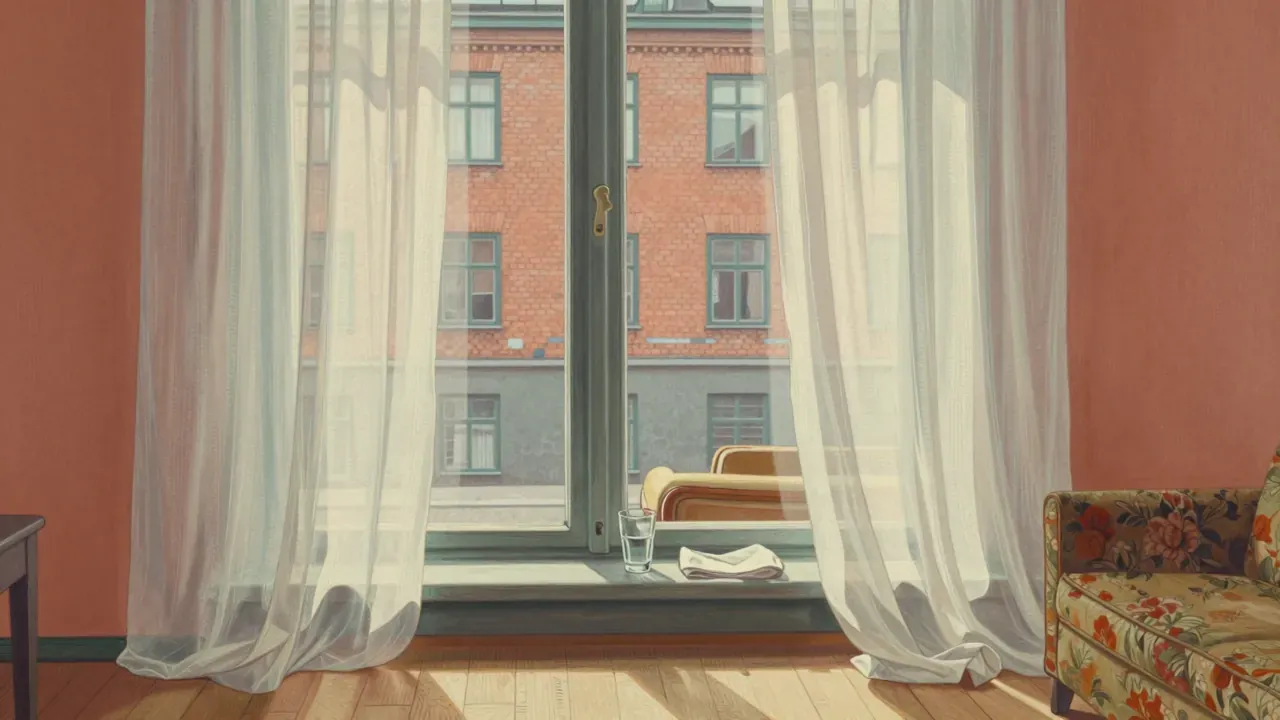
Bo Widerberg’s 1963 Swedish drama Barnvagnen follows a young father’s first months in a Stockholm apartment, using restrained performance, Jan Troell’s naturalistic cinematography, and Jan Johansson’s sparse piano score to observe the uneventful gravity of early care. It avoids narrative escalation, psychological exposition, or symbolic framing — instead building meaning through duration, acoustic detail, and the physical presence of domestic objects.

13:00

Elvira Madigan

Bo Widerberg · 1967

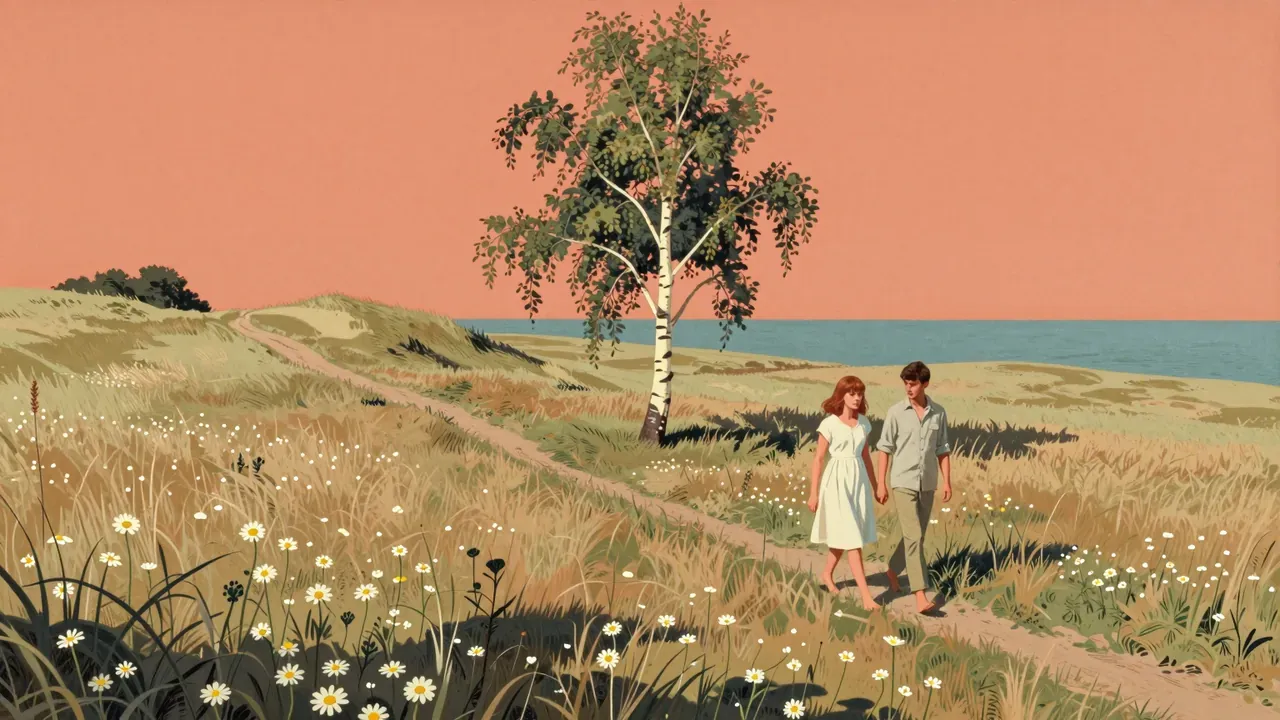
Bo Widerberg’s 1967 Elvira Madigan retells the fatal romance of a Danish circus performer and a Swedish army officer as a study in sensory presence and quiet dissolution. Shot with natural light and minimal crew, it follows their summer-long flight through rural Denmark, using Mozart and Vivaldi as structural anchors and Jörgen Persson’s cinematography to render every blade of grass and drop of sweat with painterly precision. Its power lies in what it omits — exposition, judgement, aftermath — and in what it insists upon: the weight of a shared silence, the dignity of a final choice, and the beauty of a world seen, for ninety-one minutes, without hurry.

13:00

Raven's End

Bo Widerberg · 1963

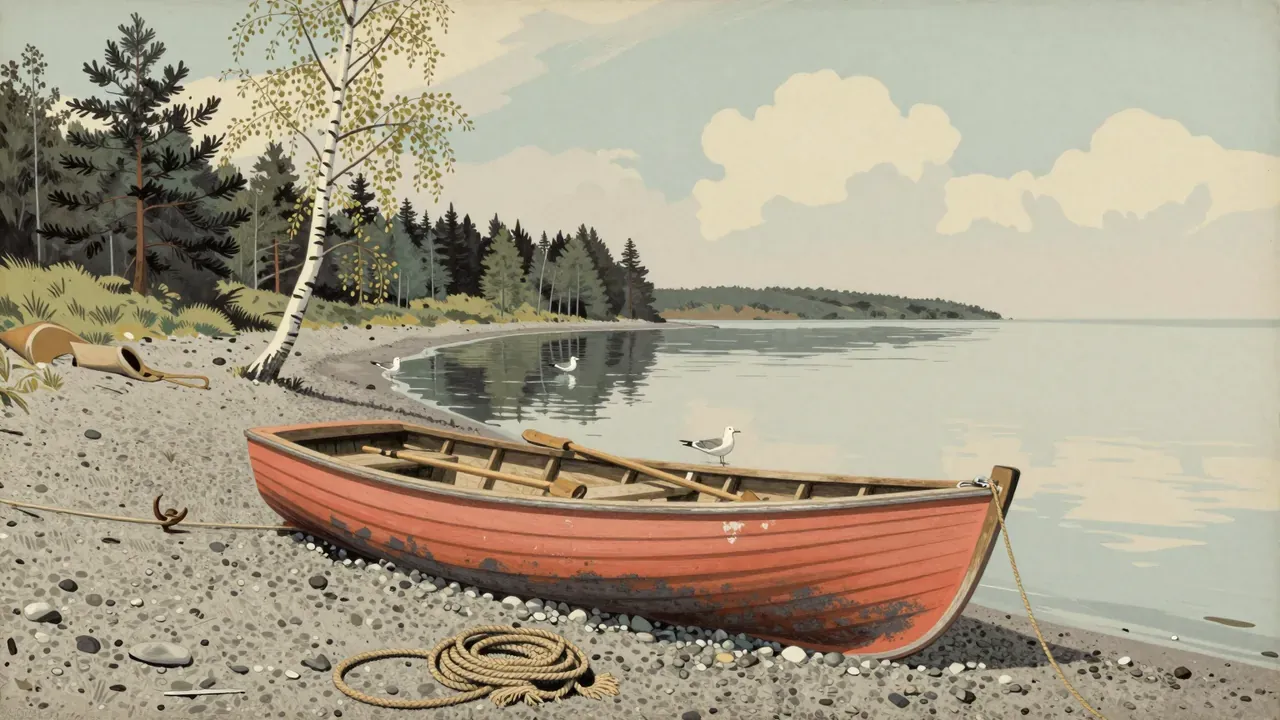
Bo Widerberg’s 1963 debut Raven’s End follows Anders, a working-class teenager in 1930s Malmö, as he writes a novel about his tenement block, faces rejection from a Stockholm publisher, and leaves home after his girlfriend becomes pregnant. Shot on location in a soon-to-be-demolished building, it uses restrained performances, natural light, and sparse sound to render aspiration, shame, and quiet departure without sentiment or resolution.